Quick answer: Almost every guide tells you to hop on the AREX Express Train because it’s the fastest thing on paper. But unless your hotel sits within walking distance of Seoul Station, Hongik University Station, or Gongdeok Station, that speed advantage disappears the second you’re dragging two suitcases through a subway transfer at 11 p.m. after a 12-hour flight. For most first-time visitors, the airport limousine bus — not the train — is the smarter default from Incheon International Airport into Seoul. Here’s the actual decision framework, not just a menu of options.
What do most guides get wrong about getting from Incheon Airport to Seoul?
They treat the trip like a stopwatch competition and hand the trophy to the AREX Express Train, since it covers Incheon International Airport Terminal 1 to Seoul Station in around 43 minutes (call it 51 from Terminal 2). That part is true — it really is fast. What these guides skip over is the part that actually matters when you’re jet-lagged and hauling luggage: what happens the moment the doors open at Seoul Station.
Seoul Station isn’t “downtown Seoul” in any way that helps you. It’s a transit hub — think of it more like landing at an airport rail terminal than arriving in a neighborhood. If you’re staying in Myeongdong, Gangnam, Itaewon, Hongdae, or Dongdaemun, which covers the vast majority of first-time bookings, stepping off that train means heading straight back underground for at least one more subway transfer, deciphering platform signs in a station you’ve never seen, and then walking or grabbing a cab for the final stretch anyway. The train’s tidy 43 minutes quietly turns into well over an hour once the connection is factored in — and that’s assuming you don’t take a wrong turn with a suitcase in each hand.
What are your actual options from Incheon Airport to Seoul?
There are four realistic ways to make this trip. Here’s what each one is actually good for — and who should skip it.
AREX Express Train — fast, but single-destination
- Route: Nonstop from Incheon Airport (Terminals 1 and 2) straight to Seoul Station, no intermediate stops — it’s the closest thing Korea has to an airport-to-downtown bullet.
- Time: Around 43 minutes from Terminal 1, roughly 8 minutes longer from Terminal 2.
- Cost: Roughly KRW 9,500–13,000 one-way if booked online ahead of time (discounted for children), with walk-up counter fares running closer to KRW 18,000.
- Best for: Travelers whose hotel is genuinely within reach of Seoul Station, or of Hongik University or Gongdeok stations, since the express line’s track overlaps with those stops on connecting all-stop services.
AREX All-Stop Train — the budget workhorse
- Route: The same rail corridor, but it behaves like a regular subway line, making roughly 13 stops along the way, including Gimpo Airport and Hongik University Station.
- Time: About 56 to 60 minutes end to end — noticeably slower, but you’re paying subway prices for airport-rail convenience.
- Cost: Roughly KRW 4,150–4,750 — a fraction of the express fare, and honestly one of the best value transit rides in the city.
- Best for: Budget travelers heading toward Hongdae, or anyone who’s fine standing on a crowded train with a backpack rather than a full suitcase.
Airport Limousine Bus — the underrated default
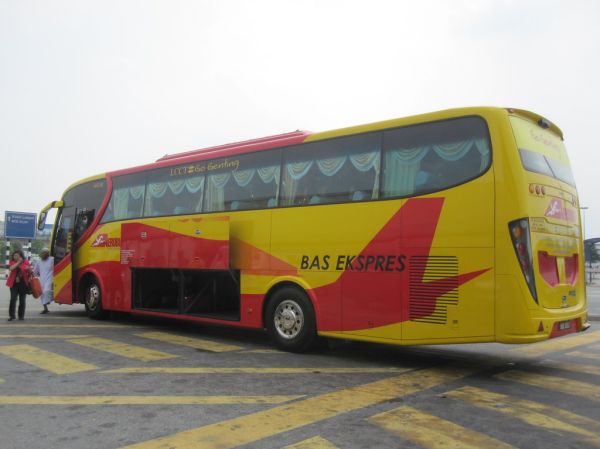
- Route: Curbside pickup right outside arrivals, with roughly 22 different routes fanning out across the city, stopping near Myeongdong, Gangnam, City Hall, Dongdaemun, Itaewon, and most other tourist and business districts.
- Time: Longer than the train on paper — usually 60 to 90 minutes depending on traffic and your specific stop — but it’s one continuous ride, not a relay race with your luggage.
- Cost: Roughly KRW 5,000–20,000 depending on distance and operator, which is often cheaper than the express train once you factor in what you’d otherwise spend on a follow-up taxi.
- Best for: Almost everyone who isn’t staying right by Seoul Station. No transfers, no stairs, your bags go in a storage bay underneath the bus, and you’re dropped within walking distance of your hotel door.
Taxi — convenient but pricier
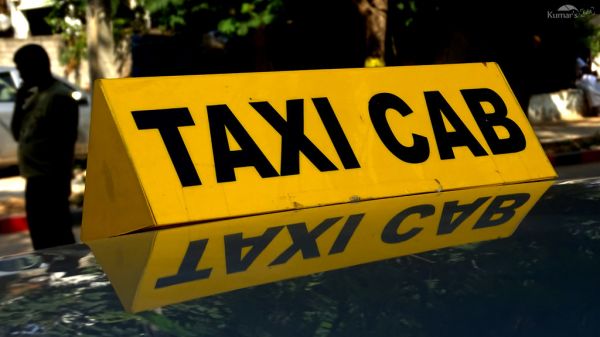
- Cost: Roughly KRW 48,000 to central Seoul, plus an expressway toll of around KRW 7,900 for the Incheon Airport Expressway.
- Surcharges: Fares climb by roughly 20–40% between 10 p.m. and 4 a.m., and the larger van taxis useful for groups can run up to 50% more than a standard sedan.
- Best for: Late-night arrivals, groups splitting the fare four or five ways, or anyone whose luggage genuinely won’t fit in a bus’s storage rack.
So which option should you actually pick?
Skip the pure speed comparison and ask yourself one question first: is my hotel within a short walk of Seoul Station, Hongik University Station, or Gongdeok Station?
- Yes → Take the AREX Express Train. This is the one scenario where it genuinely wins — you skip Seoul traffic entirely and land almost at your doorstep.
- No, I’m staying in Myeongdong, Gangnam, Dongdaemun, Itaewon, or a similarly central district → Take the airport limousine bus. Match the route number to your hotel area at the limousine bus counter or curbside signage in arrivals — the gold-numbered buses (prefix 6000-series) and the red/blue K-limousine routes (prefixes 61 and 67) cover most major districts, and staff at the ticket booth will point you to the right line if you show them your hotel address.
- I’m arriving after midnight or traveling with four-plus suitcases → Take a taxi, and budget for the late-night surcharge upfront so it’s not a surprise glancing at the meter.
- I’m on a tight budget, traveling solo, and don’t mind stairs and transfers → The AREX All-Stop Train is the cheapest way into the city, especially if Hongdae is your base.
The trade-off in plain terms: the express train wins on raw speed but only really serves one point on the map. The bus loses a bit of time to traffic but wins on convenience, since it’s a single ride to somewhere near where you’re actually sleeping. For a first trip to Korea, convenience beats twenty saved minutes almost every time.
How do you pay for any of this, and do you need a T-money card?
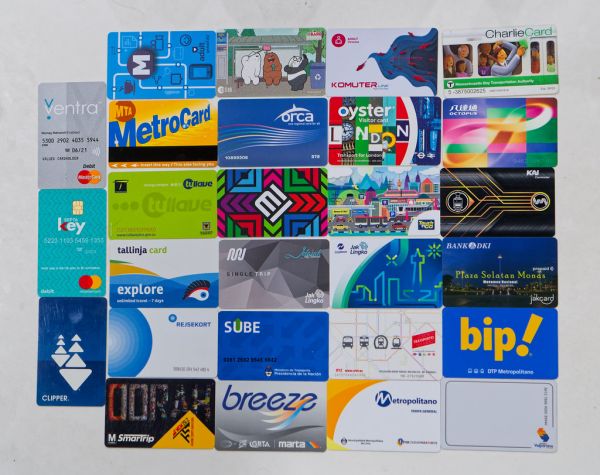
You don’t strictly need a T-money card for the AREX Express Train or for taxis — a ticket machine or the driver will take your payment directly. But for the AREX All-Stop Train and for limousine buses, a T-money transit card makes the whole process noticeably smoother, and it keeps paying off for the rest of your trip since it also works on Seoul’s subway and city buses.
You can pick one up right after baggage claim, before you’ve even left the arrivals area:
- Convenience stores like CU, GS25, or 7-Eleven near the arrival gates on the first floor of both Terminal 1 and Terminal 2 sell them, usually right past the exit doors.
- The card itself costs somewhere between KRW 2,000 and 5,000 and isn’t refundable, so don’t buy three thinking you’ll return them.
- Bring cash. Most of these convenience stores only accept Korean won cash for the card purchase and your first top-up — a foreign credit card getting declined for this one specific transaction catches a surprising number of arriving travelers off guard, so grab won from an ATM in arrivals first if you’re empty-handed.
What about very early or very late flights?
Both AREX trains and most limousine bus routes run schedules that comfortably cover early-morning departures and evening arrivals, but service thins out overnight the way you’d expect from any transit system. If you’re landing on a red-eye or need to be at the airport before dawn, check the specific first and last departure times for your exact route rather than assuming something is always running. This is the one situation where a taxi’s around-the-clock availability — late-night surcharge and all — tends to win simply because it’s the one option that never stops.
What mistakes do first-timers actually make?
- Assuming the express train drops you “in Seoul” in any meaningful sense. Seoul Station is a transit hub, not a neighborhood most tourists stay in — know your onward connection before you board, not after you’re standing on the platform.
- Tipping the taxi or bus driver. Tipping isn’t customary in Korea and can genuinely make a driver uncomfortable — rounding up isn’t expected either. Just pay the metered or listed fare and go.
- Boarding the wrong limousine bus. With roughly 22 routes running out of Incheon, it’s surprisingly easy to hop on one headed nowhere near your hotel. Match the route number to your district before you queue, not after you’ve already loaded your bags underneath.
- Forgetting cash for the T-money card. Arriving with only a foreign credit card and zero won can turn a five-minute errand into a frustrating detour to a currency exchange counter you didn’t plan for.
- Booking a taxi van for a group without checking the surcharge. Larger vans can run up to 50% more than a standard sedan — a fair trade if four or five of you are splitting the cost, a nasty surprise if nobody budgeted for it.
The bottom line
If someone asks how to get to Seoul from Incheon Airport, the honest answer isn’t “take the express train” — it’s “tell me your hotel address first.” The AREX Express Train earns its reputation for a narrow slice of travelers heading straight to Seoul Station or its immediate rail-connected neighbors. Everyone else heading into central Seoul is usually better off on a limousine bus that drops them within walking distance of where they’re actually staying, even if the ride itself takes a bit longer on the clock.
자주 묻는 질문 (FAQ)
Is the AREX Express Train worth it if I’m not staying near Seoul Station?
Usually not. It’s genuinely fast to Seoul Station itself, but if your hotel is in Myeongdong, Gangnam, or another central district, you’ll need a subway transfer with luggage afterward, which often erases the time you saved. The limousine bus is usually more convenient in that case.
Do I need a T-money card to get from Incheon Airport to Seoul?
Not for the express train or a taxi, but it makes the AREX All-Stop Train and limousine buses much smoother, and it works on Seoul’s subway and city buses afterward. You can buy one at convenience stores near arrivals — bring Korean won in cash, since card payment for the T-money purchase itself is often not accepted.
How much does a taxi from Incheon Airport to Seoul cost?
Expect roughly KRW 48,000 to central Seoul plus an expressway toll of around KRW 7,900. Fares rise by about 20–40% between 10 p.m. and 4 a.m., and larger van taxis for groups can cost up to 50% more than a standard sedan.
Should I tip my taxi or bus driver in Seoul?
No. Tipping isn’t customary in Korea and can actually embarrass the driver. Just pay the fare shown on the meter or ticket.
What’s the cheapest way to get from Incheon Airport to Seoul?
The AREX All-Stop Train, priced roughly at KRW 4,150–4,750, is the most budget-friendly option. It makes around 13 stops, including Hongik University Station, so it suits travelers heading toward Hongdae who don’t mind a longer, no-frills ride.