If you’re searching for a Jeju Island Korea tour, you’ve probably already seen the postcard shots — black lava coastlines, orange tangerine orchards, and a volcanic crater rising out of the sea. But the real question most travelers get stuck on isn’t what to see, it’s how to see it: rent a car, book a guided tour, or rely on buses and taxis? This guide breaks down the real trade-offs, how many days you actually need, and which areas are worth your limited time.

What Kind of Trip Is a Jeju Island Korea Tour, Really?
Jeju isn’t a single attraction you “do” in an afternoon — it’s a whole province, roughly the size of a small country, with its own dialect, food culture, and volcanic geology. People searching for a Jeju tour usually fall into one of three groups: honeymooners and couples who want scenic cafes and short hikes, families who want beaches and theme-park-style attractions, and hikers/photographers who come specifically for Hallasan (the volcano at the island’s center) and the coastal Olle trails.
Knowing which group you’re in matters because it changes almost every other decision — where you stay, whether you need a car, and how many days make sense. A couple doing café-hopping in Aewol needs a very different itinerary than someone climbing Hallasan and driving out to Seongsan Ilchulbong at sunrise.
Is Jeju Part of a Bigger Korea Trip, or a Standalone Destination?
Most international visitors treat Jeju as an add-on to a Seoul-based trip, flying in from Seoul or Busan for a few days. That’s a reasonable approach — domestic flights to Jeju run frequently and the flight itself is short — but it does mean many travelers underestimate how much there is to do and end up trying to cram the whole island into two rushed days.
How Do You Actually Get to Jeju Island?
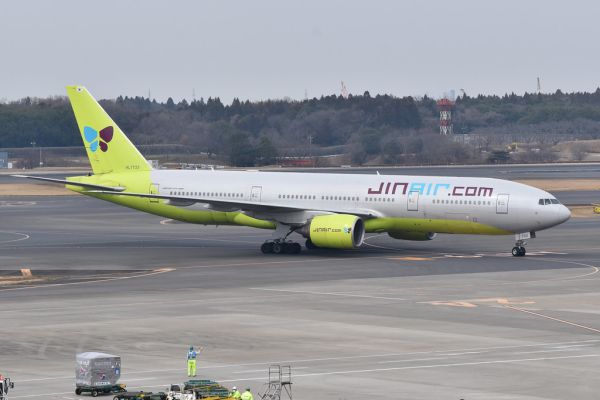
There’s no bridge or ferry-only access anymore in practice for most tourists — nearly everyone arrives by air. Domestic flights connect Jeju to Seoul (both Incheon and Gimpo airports), Busan, and several other Korean cities, and flights are frequent enough that you can often book just a day or two ahead outside of peak holiday weeks. Flight time from Seoul is short — well under two hours in the air — which is part of why Jeju works even as a quick weekend trip.
- From Seoul: Gimpo Airport has more Jeju flights than Incheon, so if you’re flexible, flying out of Gimpo is often more convenient than routing through Incheon.
- From Busan: Short flight, and ferry connections to Jeju do exist from several mainland ports (schedules and routes change, so check current availability, especially if you want to bring a car over).
- Booking timing: Prices swing a lot with Korean school holidays and long weekends — if your dates are flexible, shifting even a day or two can make a noticeable difference.
Should You Rent a Car, Join a Guided Tour, or Use Public Buses?
This is the decision that shapes your whole trip, so it’s worth being honest about the trade-offs rather than just picking whatever the first travel blog recommended.
Self-Driving: Best for Flexibility
Jeju is one of the easiest places in Korea to self-drive as a foreigner, mainly because traffic is lighter than mainland cities and many major roads are simple to navigate with GPS apps that support English. If you have a valid driver’s license (an International Driving Permit is generally required alongside your home license), renting a car opens up small villages, hidden beaches, and cafés that buses simply don’t reach.
- Pros: Go at your own pace, reach remote spots, easy parking almost everywhere outside central areas.
- Cons: You need an IDP, road signs mix Korean and English but distances/exits can be confusing, and rental demand spikes hard during Korean holidays.
Guided Tours: Best for First-Timers Without a License
Day tours (often sold as “East Course” or “West Course” tours) bundle several major sights with hotel pickup and a guide who explains what you’re looking at. These work well if you don’t drive, want history/context rather than just photo stops, or you’re traveling solo and want built-in company.
- Pros: No driving stress, guide handles logistics, often includes entrance fees.
- Cons: Fixed schedule, less time at each stop, group-size photo ops rather than quiet moments.
Public Buses and Taxis: Best for Budget Travelers Staying Near the City
Jeju City and Seogwipo (the island’s two main hubs) have decent bus networks, and intercity buses connect major attractions, but frequency drops noticeably outside main routes. This works if your itinerary sticks to well-known spots and you’re comfortable with some waiting and walking.
How Many Days Do You Actually Need on Jeju?
Short answer: more than most people plan for. A lot of first-time visitors book two nights and spend most of it in transit. Here’s a rough breakdown to calibrate expectations:
- 2 days / 1 night: Enough for one region only — pick either the east side (Seongsan, Udo island day trip) or the west side (Aewol, Hallim). You will not comfortably see both.
- 3–4 days: The sweet spot for most travelers. You can cover the major east and west highlights, do one moderate hike, and have a couple of relaxed café/beach mornings.
- 5+ days: Lets you add Hallasan’s summit trail (a full-day commitment), the southern coast around Seogwipo, and slower exploration without the “checklist” feeling.
What’s a Realistic Daily Pace?
Because Jeju is bigger and more spread out than it looks on a map, plan for one region per day rather than zig-zagging. Trying to hit the far east coast and far west coast in a single day usually means several hours purely in the car, which defeats the purpose of the trip.
What Are the Must-See Areas on a Jeju Island Tour?
Rather than a random attraction list, it helps to think in regions:
- East Coast (Seongsan area): Seongsan Ilchulbong (the volcanic tuff cone famous for sunrise views), Udo island as a half-day bike/scooter side trip, and manjanggul lava tube caves nearby.
- West Coast (Aewol/Hallim): Coastal café strips, Hallim Park, and some of the island’s most photogenic ocean-road drives — this is the area most couples gravitate toward.
- South Coast (Seogwipo): Waterfalls (Jeongbang, Cheonjiyeon), Oedolgae rock, and a quieter, more local-feeling city base.
- Central (Hallasan): The dormant volcano at the island’s core — even a partial trail hike gives you views most day-trippers never see, but check trail entry cutoff times since rangers close access points early to ensure hikers finish before dark.
Is Udo Island Worth the Extra Trip?
If you have the time, yes — it’s a short ferry ride from Seongsan and feels distinctly slower-paced than the main island, with rentable scooters/bikes and quiet beaches. Skip it only if you’re already tight on days.

What Does a Typical Jeju Tour Actually Cost?
Costs vary a lot by season and how you travel, but here’s how to think about the main categories rather than exact numbers:
- Flights: Generally inexpensive for a domestic Korean route, but prices climb sharply around Korean holidays (Lunar New Year, Chuseok, summer break) — booking earlier pays off more here than almost anywhere else in the trip.
- Car rental: Usually the most cost-effective way to see a lot in a short time if you’re splitting the cost between two or more people; solo travelers may find guided tours comparably priced once you factor in fuel and parking.
- Guided day tours: Priced per person and usually include transport plus some entrance fees, making them easier to budget for upfront even if the per-day cost looks higher on paper.
- Accommodation: Ranges from simple guesthouses to resort-style hotels near the coast; prices swing noticeably between summer peak season and quieter shoulder months.
What Time of Year Is Cheapest and Best?
Spring (for canola flower fields) and autumn (for mild hiking weather and fewer crowds) tend to offer the best balance of good weather and manageable prices. Summer is peak season with higher costs and humid heat; winter is quieter and cheaper but windier, with Hallasan’s summit trail sometimes requiring crampons.
What Should You Check Before Booking Your Jeju Trip?
A quick pre-trip checklist that catches the mistakes most first-timers make:
- Confirm your driver’s license situation — international permit plus home license, checked before you land, not at the rental counter.
- Book rental cars and popular guided tours early if traveling during Korean school holidays or long weekends — availability disappears fast.
- Check Hallasan trail entry times if hiking — rangers cut off entry hours before sunset regardless of season.
- Pick one base city (Jeju City or Seogwipo) rather than moving hotels every night — it saves more time than it seems.
- Pack for wind — Jeju’s coastal wind is stronger and more constant than most visitors expect, even in mild weather.
Guided Tour vs Self-Drive vs Bus: Quick Comparison
If you’re still deciding, here’s the shorthand version:
- Choose self-drive if: You have an IDP, want flexibility, and are traveling with at least one other person to split costs.
- Choose a guided tour if: You don’t drive, want context/history built in, or are traveling solo and want easy logistics.
- Choose buses/taxis if: You’re on a tight budget, staying near one hub, and sticking mostly to well-known sights within that area.
자주 묻는 질문 (FAQ)
Do I need a car to enjoy a Jeju Island Korea tour?
Not strictly, but it makes a big difference. Many of Jeju’s best spots — small coastal cafés, hidden beaches, quieter hiking trailheads — sit outside main bus routes. If you don’t want to drive, a mix of guided day tours plus taxis in your base city covers most major sights well.
How many days should I spend on Jeju Island?
Three to four days is the realistic minimum to see both the east and west coasts without rushing. Two days works only if you focus on one region. Five or more days lets you add Hallasan and the quieter southern coast.
Is Jeju Island worth visiting if I’ve already been to Seoul?
Yes — Jeju feels like a different country in pace and landscape, with volcanic terrain, subtropical plants, and a distinct local dialect and food culture you won’t find on the mainland.
What’s the best way to get from Seoul to Jeju Island?
Domestic flights are the standard choice, departing frequently from both Gimpo and Incheon airports with a flight time of well under two hours. Ferries from Busan or Mokpo exist but take considerably longer and are mainly used by travelers bringing a vehicle.
When is the best time to visit Jeju Island?
Spring and autumn generally offer the best combination of mild weather, manageable crowds, and reasonable prices. Summer is peak season with higher costs and humidity; winter is quieter but windier, and Hallasan’s summit trail may require extra gear.