Most guides jump straight into “train vs taxi” and skip the one question that actually decides your route: which airport did you land at? Incheon and Gimpo both get called “Seoul’s airport” in casual conversation, but they sit about 40 minutes apart from each other, and the smart way into the city looks completely different depending on which one shows up on your boarding pass. This guide starts there, then walks through when the express train earns its higher price tag, when the limousine bus quietly wins even though it’s slower on paper, and why picking up a T-money card before you clear the arrival hall will save you more hassle than any single transport decision you make today.
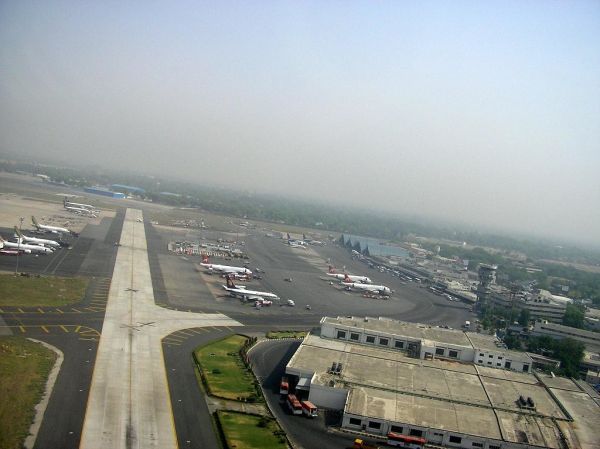
Which airport did you actually land at — Incheon or Gimpo?
Flew in from Europe, North America, or basically anywhere outside Asia? You landed at Incheon International Airport (ICN), out on an island west of the city, and there’s no way around the fact that it’s a real trip into town. Came from Tokyo, Osaka, Beijing, or hopped over on a domestic flight? There’s a good chance you’re actually at Gimpo Airport (GMP) instead — smaller, less glamorous, but sitting much closer to central Seoul.
This isn’t a minor detail. Gimpo is a genuinely easier trip, not just a slightly shorter one. The AREX all-stop train gets you from Gimpo to Seoul Station in under 20 minutes — barely enough time to finish a podcast episode. From Incheon, even the express train takes over 40 minutes, and once you add a bus or taxi into the mix, you’re realistically looking at over an hour before you see your hotel lobby. So before you get lost comparing train fares and bus routes, glance at your arrival screen or boarding pass. It changes almost everything else in this guide.
How do you get from Incheon Airport to Seoul?
Incheon gives you four real options, and calling them “similar” would be misleading — each one is built for a different kind of traveler.
- AREX Express Train — nonstop from Incheon Terminal 1 (with one extra stop at Terminal 2) straight into Seoul Station in about 43 minutes, for around 9,500 KRW.
- AREX All-Stop Train — same line, same tracks, but it stops at 13 stations along the way (Gimpo Airport and Hongik University among them) before reaching Seoul Station, taking just under an hour, for roughly 4,150–4,750 KRW.
- Airport Limousine Bus — direct service to specific neighborhoods with no transfers, priced around 17,000–18,000 KRW.
- Taxi — door-to-door, costing roughly 55,000–80,000 KRW for a regular metered taxi, or 80,000–120,000 KRW for a deluxe (black) taxi, with 60–90 minutes on the road depending on traffic.
Skim that list and the express train looks like the obvious pick — fastest number, done. In practice, plenty of travelers who choose it end up mildly annoyed twenty minutes after arrival, and that’s worth unpacking before you buy the ticket.
Express train or all-stop train — which one should you actually take?
Here’s what catches first-timers off guard: the AREX Express Train goes to exactly one station — Seoul Station. Nowhere else. If your hotel is in Myeongdong, Hongdae, or Itaewon, arriving at Seoul Station just means your journey isn’t over — you’re now hauling luggage into a taxi or a subway transfer, on top of a fare that was already the priciest option on this list.
The AREX All-Stop Train costs less than half as much, shows up more often (every 5–10 minutes, versus every 20–40 for the express), and — here’s the part that actually matters day-to-day — you tap in with a T-money card, the same card you’ll use on every subway line in the city. No separate ticket, no re-buying anything once you’re underground. If you’re staying near Hongik University Station, the all-stop train can genuinely beat the express on total door-to-door time, simply because it drops you where you need to be instead of making you backtrack from Seoul Station.
The express train earns its price when:
- Your hotel is a real walk from Seoul Station — think parts of Jung-gu, or you’re connecting onward via KTX
- You’re traveling with heavy suitcases and want the fewest platform changes possible
- Extra legroom and dedicated luggage racks matter more to you than the fare difference
For most people staying in Hongdae, Myeongdong, or Gangnam, though, the all-stop train plus one subway transfer is the better default — cheaper, only marginally slower, and it gets your T-money card earning its keep from the moment you land.
When does the airport limousine bus beat the train?
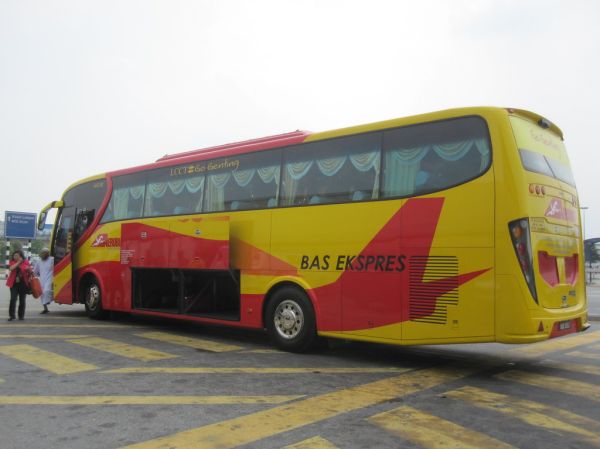
The limousine bus answers one specific complaint: you don’t want to wrestle luggage through subway turnstiles and stairwells after a long flight. These buses run straight from the terminal to clearly marked stops around the city, with storage underneath for your bags, so you sit down once, doze off if you want to, and get off near your hotel.
- Bus 6015 heads toward Myeongdong — the pick if you’re near that shopping strip or Namsan.
- Bus 6009 runs toward Gangnam — better if your hotel or meetings are south of the river.
Other routes cover Dongdaemun and Itaewon, so most neighborhoods travelers actually book are within reach. Buses run roughly every 25–35 minutes, priced at 17,000 KRW for standard service or 18,000 KRW for the slightly plusher Premium K-Limousine. The trade-off is straightforward: you pay more, and traffic can stretch the ride longer than the train, but you skip every transfer, stairwell, and platform switch in between. That’s a fair swap if you’re jet-lagged, traveling with kids, or dragging more suitcase than you’d like to admit.
Is a taxi from Incheon Airport ever worth it?
Given the price gap, a taxi makes sense less often than people assume walking off the plane — but there are cases where it’s genuinely the right call:
- You land late at night. Trains and buses stop running at a certain hour, and while taxis operate 24/7, expect a 20–40% surcharge between 22:00 and 04:00 — factor that into your budget before you’re standing in the taxi queue doing math half-asleep.
- You’re a group of three or four splitting the fare, which brings the per-person cost down close to bus territory anyway.
- Your drop-off is nowhere near a bus stop or subway station — a guesthouse tucked down an alley in Ikseon-dong, say, where a taxi is simply the only door-to-door option.
A regular metered taxi to central Seoul runs about 55,000–80,000 KRW; a deluxe black taxi (roomier seats, drivers more likely to speak English) runs 80,000–120,000 KRW. Both take roughly 60–90 minutes in normal traffic — budget extra if you’re arriving during rush hour on the airport expressway, which can turn a manageable ride into a genuinely frustrating one.
What if you land at Gimpo Airport instead?
Arriving from Tokyo, Osaka, or another short regional hop? Don’t bother repeating all the Incheon research — Gimpo is a much smaller, faster errand. The AREX all-stop line runs directly from Gimpo to Seoul Station in around 18–20 minutes, and Gimpo also plugs straight into Seoul Subway Line 5 and Line 9, both of which reach central and southern Seoul without you ever needing a bus or taxi. Limousine buses and taxis exist here too, but given how short the trip already is by train, they’re rarely worth the extra won unless your destination sits somewhere the subway simply doesn’t touch.
Should you buy a T-money card before you even leave the airport?
Yes — and it’s oddly the step most first-timer guides bury at the bottom instead of putting up front. A T-money card costs around 2,500 KRW (the cute character-design versions run up to about 5,000 KRW), and you’ll find them at convenience stores and transit counters right in the arrival halls of both Incheon and Gimpo. Load it up and it works on the AREX all-stop train, every Seoul subway line and city bus, and transit systems in Busan, Daegu, and Jeju too — handy if Seoul isn’t your only stop.
The reason to grab one immediately, rather than “later, once I’m settled”: paying cash for the all-stop train or a city bus costs more and skips any transfer discount, and most travelers end up buying a T-money card in the city within a day or two anyway once they realize single-use tickets are more hassle than they’re worth. Get it at the airport, tap in once, and you’ve quietly skipped an entire layer of first-day friction.
So which option should you actually pick?
- Solo traveler, light luggage, staying near Hongdae or Seoul Station: AREX all-stop train with a T-money card.
- Staying in Myeongdong or Gangnam, heavy suitcases, want zero transfers: Airport limousine bus (6015 or 6009).
- Landing after midnight, or traveling in a group of three-plus: Taxi, ideally split among the group.
- Connecting onward by KTX, or don’t mind one transfer for speed: AREX Express Train to Seoul Station.
- Flying in from Japan or on a short regional hop: Check if you’re landing at Gimpo — if so, the subway or AREX all-stop line alone will do the job.
There’s no single “best” answer here, and honestly, that’s the whole point — the right choice depends on your airport, your luggage, your hotel’s neighborhood, and what time your flight touches down, not on which option has the flashiest headline speed.
자주 묻는 질문 (FAQ)
Is the AREX Express Train worth the extra cost over the all-stop train?
Only if your hotel is near Seoul Station itself or you’re connecting onward to a KTX train. Otherwise the all-stop train costs less than half as much, arrives more frequently, and lets you ride straight through to neighborhood stations like Hongik University on the same T-money card you’ll use all week.
What’s the fastest way to get to Seoul from Incheon Airport?
The AREX Express Train wins on raw travel time, at around 43 minutes to Seoul Station — but it only serves that one stop, so factor in a taxi or subway transfer afterward if your hotel is anywhere else in the city.
Can I use a T-money card on the airport train and buses?
Yes. The AREX all-stop train and city buses (including some limousine routes) accept T-money, and the same card works on subways across Seoul, Busan, Daegu, and Jeju — one more reason to buy it the moment you land.
Is a taxi from Incheon Airport too expensive for a solo traveler?
It’s the priciest single option, running roughly 55,000–80,000 KRW for a regular taxi, but it starts making sense for late-night arrivals once trains have stopped for the day, or when the fare gets split among a group of three or four.
What if my flight lands at Gimpo Airport instead of Incheon?
You’re in luck — Gimpo sits much closer to central Seoul. The AREX all-stop train reaches Seoul Station in about 18–20 minutes, and Gimpo also connects directly to Seoul Subway Line 5 and Line 9.