Most hanbok rental guides treat this like a shopping decision — which shop, which color, which package. It isn’t. The thing that actually determines whether your hanbok day goes well is logistics: the free palace entry rule is enforced more strictly than people expect, the guard ceremony only runs twice a day, and the palace shuts completely one day a week. Show up on the wrong day and it doesn’t matter how good you look in the outfit — you’ll be taking photos outside a locked gate. Here’s how to actually plan around it.
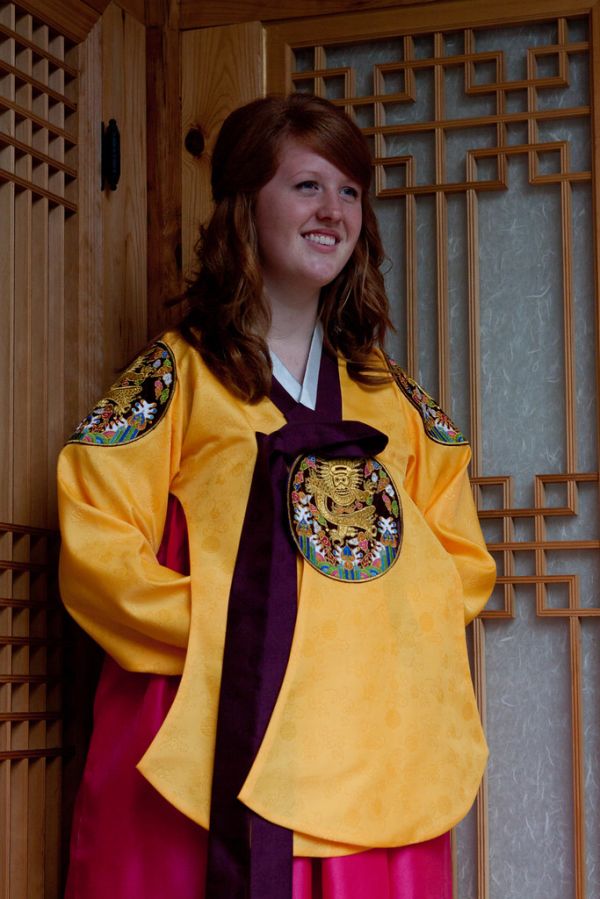
What Do Most Hanbok Rental Guides Get Wrong?
They rank shops by star rating, as if picking a storefront is the hard part. It isn’t — walk through the main cluster near Gyeongbokgung and you’ll find a dozen shops within a hundred meters of each other, all renting nearly identical outfits at nearly identical prices. The rating gap between a 4.6 and a 4.8 shop rarely shows up in the actual experience. What trips people up is everything around the rental: not knowing palace staff will check that the hanbok is on your body, not folded in a bag; not realizing the palace goes dark on Tuesdays; not building the day around the two guard-ceremony slots that make the whole visit feel like more than a costume photo op. This guide skips the shop-by-shop comparison and focuses on the parts that actually decide whether the day works.
Where Are the Hanbok Rental Shops in Seoul?
You don’t need to hunt for these — they’re clustered in two spots, both orbiting the same palace.
- Gyeongbokgung Station (Line 3): The densest concentration of shops sits within a one-to-two-minute walk of the exits closest to the palace’s main gate. This is the default pick, mostly because the walk from changing room to ticket gate is short enough that you’re not wrestling with a hanbok skirt for ten minutes before you even get inside.
- Anguk Station (Line 3): A second cluster near Anguk, closer to Insadong and the Bukchon side, works better if you want to wander the hanok alleys first and hit the palace second — or if you’ve heard the Gyeongbokgung-side shops get slammed on weekends and would rather start somewhere quieter.
- Bukchon Hanok Village itself: A smaller handful of shops sit inside Bukchon, between Gyeongbokgung and Changdeokgung. Worth it if the hanok-alley photos are the actual goal and the palace is just a bonus stop.
In practice, it matters less which cluster you choose than which direction you want to walk first. Pick based on your route, not on which shop’s Instagram photos look slightly nicer.

How Much Does Hanbok Rental in Seoul Actually Cost?
Pricing follows a fairly predictable tier system across almost every shop in both clusters:
- Standard 2–4 hour rental: roughly ₩15,000–20,000 (about US$11–15). This covers a basic outfit, and most shops throw in simple hair styling and small accessories at this price too.
- Premium or themed hanboks (richer colors, historical-drama-style sets, matching couple or kids’ sets): around ₩25,000–35,000 (about US$19–26).
- Full-day rental: around ₩30,000–50,000 (about US$22–37) if you want to keep the outfit past the standard window — worth it if you’re planning both the palace and a longer Bukchon walk without watching the clock.
What surprises first-timers is how much gets bundled into that base fee. For roughly ₩15,000–20,000, you’re typically getting the full outfit, hair styling, accessories, and the free palace entry perk — plus most shops throw in a storage locker so you’re not hauling a day bag through Gyeongbokgung’s courtyards. Add up separate palace admission and the hassle of babysitting your own bag all afternoon, and the rental starts to look like the better deal even before the photos happen.
How Does the Free Palace Entry Rule Actually Work?
This is the detail almost nobody explains clearly: wearing a hanbok gets you free entry to all five of Seoul’s Grand Palaces — Gyeongbokgung, Changdeokgung, Changgyeonggung, Deoksugung, and Gyeonghuigung — instead of paying the standard adult ticket (around ₩3,000, roughly US$2). On its own, that’s pocket change. The real reason to lean into the rule isn’t the savings — it’s that it nudges you toward actually wearing the thing properly instead of treating it like a prop you carry to a photo spot.
The catch: you have to actually wear it, visibly, at the gate. Staff are specifically checking for this — it’s not a formality they wave through. Show up with the hanbok still folded in your rental shop’s bag because you changed your mind, or because you’re saving it for later photos, and you’ll be turned back and told to either pay the regular ticket or come back properly dressed. Don’t try to game this — it’s not a loophole to work around, it’s the entire point of the discount.
When Should You Time Your Hanbok Visit?
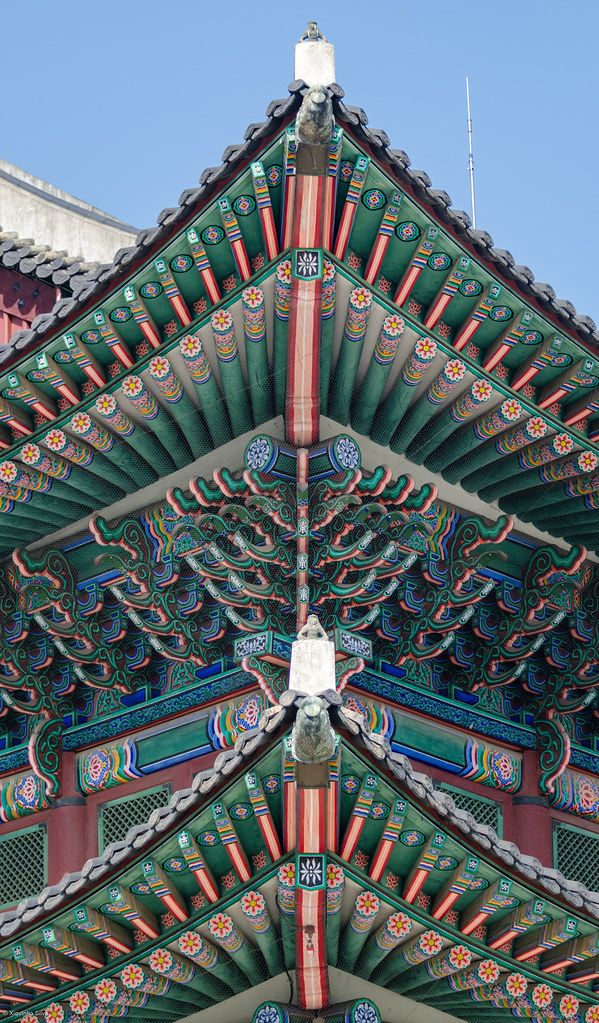
This is the single biggest planning mistake: booking a hanbok rental without checking the palace schedule first.
- Gyeongbokgung is closed every Tuesday. Rent a hanbok that day and you can still stroll Bukchon or Insadong in it, but the palace gates simply won’t open for you. Check the day of the week before you book, not after.
- The changing-of-the-guard ceremony typically runs three times a day (commonly cited as around 10:00am, 1:00pm, and 2:00pm), though exact times can shift seasonally or be suspended in bad weather — check the day’s posted schedule at the palace’s main gate. Build your rental window around one of these — it’s the rare moment where the whole scene (guards in full traditional dress, the gate, the crowd pressing in for a look) actually resembles the postcard, and it makes your own hanbok photos look like they belong there instead of standing in an empty courtyard.
- Morning rentals beat afternoon ones for both light and crowd levels. By early afternoon, tour groups fill the courtyards and the gravel paths get genuinely tricky to cross gracefully in the flat traditional shoes — not dangerous, just enough to make every step through a group photo feel a little more careful than it should.
What Should You Wear (and Not Wear) Under a Hanbok?
The shop handles the outfit, but what you bring yourself matters more than most people plan for.
- Skip your own heels. Palace courtyards are gravel and uneven stone, not pavement — the kind of surface that turns a cute pair of sandals into an ankle hazard by the second courtyard. Every shop hands you flat traditional shoes for a reason; wear those instead of whatever you walked in wearing.
- Leave the backpack behind. A backpack flattens the silhouette a hanbok is supposed to have, and it’s genuinely awkward to manage once you’re holding the skirt up to walk stairs or gravel. This is exactly why most shops offer free storage lockers — use them, and enjoy having both hands free for photos.
- In July and August, plan for heat. A hanbok is multiple layers of fabric, and standing in a stone courtyard at midday in Korean summer humidity, fully dressed, turns uncomfortable fast — faster than most visitors expect. A small portable fan, sold at basically any convenience store for a couple thousand won, is the unglamorous fix that locals and repeat visitors swear by.

Is It Worth Booking a Cheap Online Hanbok Deal?
Heavily discounted hanbok deals show up constantly around holiday weekends and cherry blossom season, and the temptation is obvious — why pay full price when a nearly identical listing is 30% off? The trade-off is that some of that discounted stock is older inventory: fabric that’s faded or slightly worn from heavy rotation, which barely registers on the hanger but shows up clearly in outdoor daylight photos. It’s not that the discount is a scam — it’s that the freshest sets and most popular sizes get booked first, leaving the marked-down leftovers for whoever grabs the deal later. The fix is simple: whatever you book, inspect the set before you leave the shop. Hold the fabric up near the doorway in actual daylight, not under the shop’s flattering interior lighting, and ask to swap it if the color looks dull or the hem looks worn.
Should You Visit the Palace First or Bukchon Hanok Village First?
Both Gyeongbokgung and Bukchon Hanok Village are walkable from either the Gyeongbokgung Station or Anguk Station shop clusters, and Bukchon sits conveniently between Gyeongbokgung and Changdeokgung — which is why most people combine the two in a single rental session instead of renting twice.
- Palace first, Bukchon second works well if you rent near Gyeongbokgung Station: catch the 10am guard ceremony before the courtyards fill up, then wind down through Bukchon’s quieter hanok alleys once the morning light starts turning harsh.
- Bukchon first, palace second makes more sense if you rent near Anguk Station: the alleys get the best light early, before tour groups arrive, and you can save the palace for the 2pm ceremony.
Either order fits inside a standard 2–4 hour rental if you keep moving, but if you want unhurried photo time in both spots — not just a quick lap through each — the full-day rental tier earns its extra cost.
자주 묻는 질문 (FAQ)
Do I really get into the palace for free with a hanbok rental?
Yes — wearing a hanbok gets you free entry to all five of Seoul’s Grand Palaces, replacing the standard adult ticket of around ₩3,000. The requirement is that you’re visibly wearing it at the gate, not carrying it in a bag.
Where should I rent a hanbok — near Gyeongbokgung Station or Anguk Station?
Gyeongbokgung Station puts you right at the palace’s main gate, which is simplest for a straightforward palace visit. Anguk Station is better if you want to start in Bukchon Hanok Village or Insadong first and reach the palace second.
How much does hanbok rental in Seoul cost?
A standard 2–4 hour rental typically runs around ₩15,000–20,000, usually including hair styling, accessories, and the palace-entry perk. Premium or themed hanboks run about ₩25,000–35,000, and full-day rentals can reach ₩30,000–50,000.
Is Gyeongbokgung Palace open every day?
No — it’s closed every Tuesday. If you rent a hanbok on a Tuesday, you can still walk around Bukchon or nearby streets in it, but you won’t get inside the palace grounds.
What should I bring for a hanbok rental in summer?
Bring a small portable fan (cheap at any convenience store), since wearing multiple hanbok layers outdoors in July or August gets warm fast. Skip your own shoes and bag — wear the shop’s flat shoes and use their storage locker instead.