Quick summary: Type “Gyeongju Korea tour” into any search bar and you’ll get roughly the same itinerary eight times over: Bulguksa, Seokguram, the tomb parks, Bomun Lake, all crammed into a single day trip from Seoul or Busan. It’s technically possible — plenty of tour buses do exactly this — but you’ll spend more of the day watching Gyeongju through a taxi window than actually standing in front of it. This guide breaks the city into the geographic clusters it really falls into, flags which sites need daylight and which need to wait for dark, and makes the case for one overnight stay instead of sprinting for the last KTX back.
What Do Most Gyeongju Korea Tour Guides Get Wrong?
They treat Gyeongju like a checklist — Bulguksa, check; Cheomseongdae, check; Wolji Pond, check — without mentioning that these places don’t sit next to each other the way Seoul’s palaces do. Gyeongbokgung and Changdeokgung are a fifteen-minute walk apart; Bulguksa and the downtown tomb parks are a car ride apart, on opposite ends of a city that sprawls a lot more than its small-town reputation suggests. Gyeongju’s UNESCO-listed sites fall into at least three zones that don’t connect by foot: the mountain temple area around Bulguksa and Seokguram, the flat downtown historic zone with the tomb parks and Cheomseongdae, and the Bomun Lake resort strip further out again. Yangdong Folk Village sits further still, almost in its own orbit. When a guide promises you can “see Gyeongju in a day,” what it usually means is you’ll see the two or three spots that photograph best and quietly skip the rest. That’s a fine trade to make — as long as someone tells you it’s a trade before you land at Singyeongju Station, not after.
How Do You Actually Get to Gyeongju From Seoul or Busan?
The KTX is the obvious choice, and it earns the reputation — Seoul to Gyeongju runs somewhere in the 2 to 2.5-hour range, faster than most people expect for a city that feels this far from the capital. The part that trips up first-timers: the KTX doesn’t actually drop you in Gyeongju. It drops you at Singyeongju Station, a newer station built well outside the historic downtown, surrounded mostly by parking lots and a scattering of convenience stores. You’ll still need a local bus or a taxi — about 20 minutes — to reach the tomb parks and the Bulguksa area, so build that transfer into your schedule rather than assuming arrival means you’ve arrived.
- From Seoul: KTX to Singyeongju (roughly 2–2.5 hrs), then bus or taxi into town
- From Busan: a shorter KTX hop, or a direct intercity bus if you don’t mind a slower ride
- Once downtown: local buses connect Bulguksa, the tomb parks, and Bomun Lake, but they run infrequently enough that most visitors end up mixing bus rides with the occasional taxi anyway
If you’re coming from Busan specifically, some travelers manage a fuller day trip simply because the transfer eats less of the day — worth weighing if you’re still deciding where to base yourself.
Should You Do Gyeongju As a Day Trip or Stay Overnight?
This is the real fork in the road, and it comes down to how much of Gyeongju you actually want, versus how much you’re willing to see through a bus window.
Day trip works if:
- You only care about Bulguksa, Seokguram, and a quick stop at Cheomseongdae or the tomb parks
- You’re leaving early and fine with a tight, taxi-heavy schedule
- You’re coming from Busan, where the shorter transfer buys you extra hours on the ground
Overnight works better if:
- You want to see Donggung Palace and Wolji Pond properly lit up at night — which more or less requires you to still be in town after dark
- You want to add Bomun Lake or Yangdong Folk Village without feeling rushed
- You’re visiting during cherry blossom season (April) or peak fall foliage, when the town is genuinely worth lingering in rather than rushing through
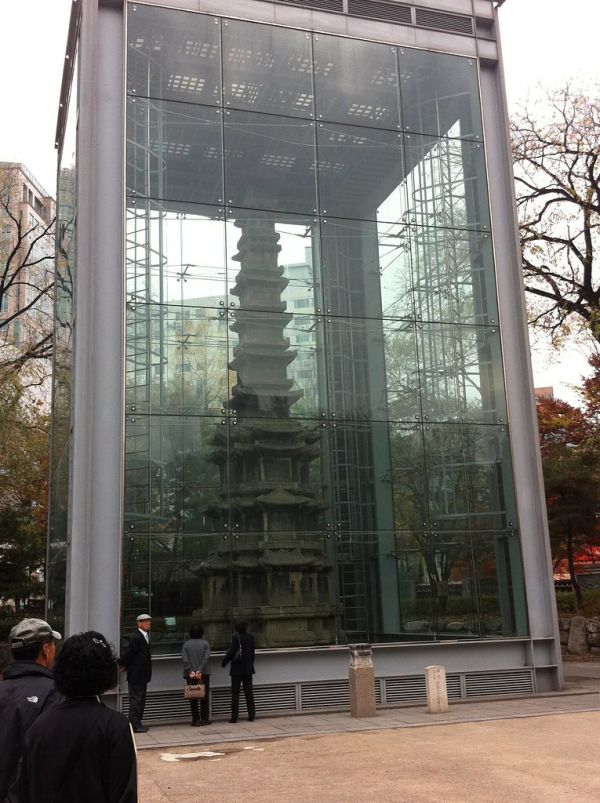
Here’s the part nobody spells out clearly: a rushed day trip gets you the two or three postcard shots — the stone pagoda at Bulguksa, maybe a selfie at Cheomseongdae — but it’s the overnight stay that lets Gyeongju register as an actual place instead of a photo stop between train rides. Rooms near Hwangnidan-gil, the café strip downtown, fill up fast once cherry blossom season or a peak foliage weekend hits, sometimes weeks ahead. If you’re planning an overnight in spring or autumn, book the room before you book anything else.
How Should You Split Gyeongju Into Zones Instead of a Single Checklist?
Forget the “stop 1, stop 2, stop 3” itinerary format. Gyeongju makes a lot more sense as four separate clusters, and which ones you visit should depend on how many days you’ve got, not on how many bullet points fit in a blog post.
Cluster 1: Bulguksa and Seokguram (the temple zone)
Bulguksa Temple is Korea’s flagship Buddhist temple complex and a UNESCO World Heritage Site, built on stone terraces that have stood — in rebuilt form — since the Silla dynasty. Entrance is free — Korea scrapped the long-standing cultural heritage viewing fee at major temples, including Bulguksa, in 2023 — and most visitors spend about 1.5 to 2 hours working through the platforms and wooden halls, longer if you get stuck behind a tour group taking turns photographing the twin pagodas. It’s generally open from early morning to early evening, with hours shifting a bit by season, so check ahead if you’re aiming for a very early or late visit.
Most people pair it with Seokguram Grotto, the seated stone Buddha carved into the mountainside above, framed inside a small window designed centuries ago to catch the sunrise. There’s usually a combined ticket or a shuttle link between the two sites, but don’t treat Seokguram as a quick add-on — budget an extra hour to ninety minutes, including the uphill approach, because it’s a genuine excursion in its own right, not a five-minute detour.
Cluster 2: Downtown tomb parks and Hwangnidan-gil
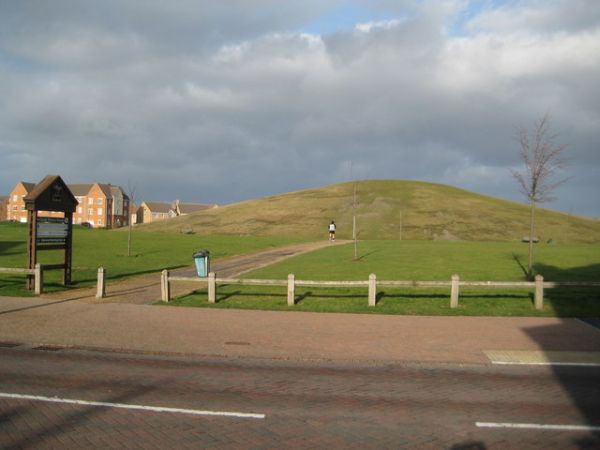
This is the flat, walkable — or better, bikeable — historic center. Tumuli Park (Daereungwon) is the cluster of grass-mounded royal tombs that makes parts of Gyeongju look, from a distance, like a golf course built over a graveyard of kings. Inside is Cheonmachong, the one tomb you can actually walk into, entrance around 3,000 KRW. A short walk away sits Cheomseongdae Observatory, one of Asia’s oldest surviving astronomical towers — a squat stone shape that looks almost unremarkable at noon and genuinely striking once it’s lit at night. And Hwangnidan-gil, the hanok-lined café street beside the tomb park, is where you break for lunch or coffee between sights, not somewhere you’d cross town for on its own.
Cluster 3: Donggung Palace and Wolji Pond, after dark
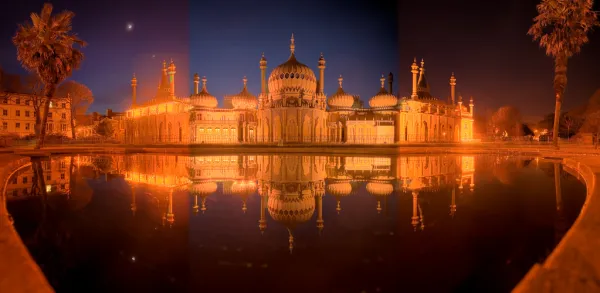
Save this one for evening, on purpose. Donggung Palace and its pond — once called Anapji — are designed around reflection: pavilions doubled in still water, lanterns doubled again. At noon it’s a pleasant palace garden. After dark, it’s the single most photographed scene in Gyeongju, and it only works because the daylight is gone. If you’ve got room for exactly one nighttime stop in the city, spend it here.
Cluster 4: Bomun Lake and Yangdong Folk Village
Bomun Lake is Gyeongju’s resort strip — hotels, a lakeside path, occasionally a small amusement park humming in the background — better understood as a relax-and-stroll add-on than a must-see historic site. Yangdong Folk Village, a still-inhabited traditional clan village of tile-roofed hanok houses, rewards the trip if you’ve got a second day and either a rental car or patience for infrequent local buses. It sits further out than almost every first-time visitor expects, and it’s easy to underestimate the travel time until you’re the one waiting at a bus stop with no bus in sight.
What’s the Best Way to Get Around Downtown Gyeongju?
Inside the flat downtown zone — tomb parks, Cheomseongdae, Wolji Pond — walking is fine, just slow if you’re trying to cover all three plus Hwangnidan-gil before you lose daylight. The move most locals and repeat visitors make instead: rent a bicycle from one of the stalls near the tomb clusters. It’s a genuinely popular way to see this stretch of town, usually running around 3,000–5,000 KRW per hour (roughly $2–4 USD), and it turns what would be a half-day slog into a couple of breezy hours weaving past the mounds. For the temple zone or Bomun Lake, though, shelve the bike idea — the distances and the hills there aren’t built for it.
Bike vs. taxi vs. bus: which wins?
- Bike: best for the downtown flat zone in decent weather — cheapest and most scenic option for that specific stretch
- Taxi: best for connecting clusters (temple zone to downtown, downtown to Bomun Lake) — worth the fare given how spread out Gyeongju actually is
- Local bus: cheapest for cluster-to-cluster travel, but infrequent enough that it can quietly eat your afternoon if you’re not watching the schedule
What’s the Best Order to See Everything In?
Sequencing matters more here than in most Korean cities, because a couple of sites are flatly better — or worse — depending on the hour. Get the order wrong and you’ll see Wolji Pond in daylight, shrug, and never understand why it’s on every Gyeongju postcard.
- Morning: Bulguksa and Seokguram, while it’s cooler and before the tour buses fill the grounds
- Midday: transfer downtown, lunch or a coffee break on Hwangnidan-gil
- Afternoon: Tumuli Park and Cheonmachong, then Cheomseongdae
- Evening: Donggung Palace and Wolji Pond, once it’s dark enough for the lights and reflections to actually matter
Doing it backwards — temples in the afternoon, downtown after dark — mostly still works logistically. What you lose is Wolji Pond’s entire reason for being on the itinerary: see it before sunset and skip the after-dark version, and you’ve essentially visited a different, far less interesting place with the same name.
When’s the Best Season for a Gyeongju Korea Tour?
Spring, especially April, is the headline season — cherry blossoms frame the tomb mounds and the path around Bomun Lake in a way that turns up on basically every Korean travel feed each year. Fall runs it a close second, when the hills behind Bulguksa and the lakeside trail shift to amber and rust.
The catch is obvious once you’re there: both seasons bring noticeably bigger crowds, and rooms near Hwangnidan-gil can sell out well before the peak weekend itself. If you want the color without shoulder-to-shoulder crowds at Cheomseongdae, aim for the edges of those windows — a week before or after peak bloom — rather than the exact weekend everyone else has already circled. Or flip the trade entirely: visit in summer or winter and accept a plainer-looking Gyeongju in exchange for empty paths and cheaper rooms.
So What’s the Realistic Plan?
If you genuinely only have one day, pick a lane: either the temple cluster (Bulguksa and Seokguram) or the downtown-plus-night cluster (tomb parks, Cheomseongdae, Wolji Pond after dark). Trying to squeeze both daylight and after-dark sightseeing into a single day trip from Seoul is the single most reliable way to end up exhausted and still missing the last KTX. Manage one overnight stay instead, and the math changes completely — temple zone by day, downtown by evening, and actual breathing room for Hwangnidan-gil or even Bomun Lake, instead of a trip that feels like a race against a departure board.
자주 묻는 질문 (FAQ)
Can you do a Gyeongju Korea tour as a day trip from Seoul?
Yes, but you’ll need to pick a focus rather than trying to see everything. Most day-trippers do Bulguksa and Seokguram in the morning, then the downtown tomb parks in the afternoon, skipping Bomun Lake, Yangdong Folk Village, and the after-dark Wolji Pond visit. From Busan, the shorter transfer makes a fuller day trip more realistic.
How do you get from Singyeongju Station to downtown Gyeongju?
Singyeongju is the KTX station on the outskirts of the city, nowhere near walking distance from the sights. Take a local bus or a taxi — typically about 20 minutes — into the historic downtown area near the tomb parks and Bulguksa.
Is one day enough to see Bulguksa, Seokguram, and the tomb parks?
It’s tight but doable if you move efficiently and skip Bomun Lake and Yangdong Folk Village. Allow roughly 1.5–2 hours at Bulguksa plus another hour to ninety minutes for the Seokguram Grotto side trip, then a few hours downtown for the tomb parks and Cheomseongdae.
What’s the best time of day to visit Donggung Palace and Wolji Pond?
After dark. The pavilions and their reflections in the water are the whole appeal, and that effect largely disappears in daylight. It’s worth scheduling as your last stop of the day rather than an early one.
Do I need a car to see all of Gyeongju’s sights?
Not strictly, but it helps if you want to reach Yangdong Folk Village or move quickly between the temple zone, downtown, and Bomun Lake. Without a car, plan on a mix of local buses and taxis, and consider renting a bicycle just for the flat downtown tomb-park zone.