Short answer: no, Jeonju is not in Seoul. They’re two separate cities, sitting roughly 200 km apart, and the mix-up is an easy one to make if you’ve only ever seen both names sitting side by side on a “top places to visit in Korea” list. This guide sorts out where Jeonju actually is, how it relates to Seoul, the fastest and cheapest ways to get between them, and whether a rushed day trip beats a slower overnight stay.

Is Jeonju part of Seoul or a different city?
Jeonju is its own city, and it isn’t even in the same province as Seoul. Seoul is a special metropolitan jurisdiction in the northwest of the country. Jeonju is the capital of North Jeolla Province (Jeollabuk-do), tucked into the southwestern part of the peninsula. Administratively and culturally, the two have about as much overlap as Kyoto and Tokyo — Jeonju runs its own city government, has its own regional dialect and food traditions, and its identity is built around heritage and cuisine, not around being some kind of Seoul suburb.
The confusion usually traces back to a handful of sources:
- Travel itineraries that list Seoul and Jeonju back-to-back under “7-day Korea trip” headlines, which makes them read as neighbors even when they’re not
- Day trip roundups that lump Jeonju in with places like Nami Island or Suwon, which actually are within easy reach of Seoul, without ever spelling out how much further Jeonju sits
- Hanok village and bibimbap photos that circulate on social media with zero location context, leaving people to assume it’s “somewhere near Seoul” by default
In reality, Jeonju sits closer to Korea’s southern coastline than it does to Seoul.
How far is Jeonju from Seoul, really?
The distance is around 200 kilometers — enough that this isn’t a subway hop or a short bus ride, but a proper intercity trip you need to actually plan around, closer in feel to visiting Busan or Gyeongju than popping over to a nearby suburb.
Here’s how it stacks up against other well-known day-trip destinations from Seoul:
- Nami Island — under an hour and a half away, an easy half-day outing
- Suwon — around an hour, doable before lunch
- Gyeongju — a few hours by train, usually treated as an overnight trip
- Jeonju — roughly two to three hours depending on transport, landing closer to the Gyeongju bracket than the Nami Island one
So if someone tells you Jeonju is “just outside Seoul,” take that with a grain of salt. It’s a regional hub with its own train station and bus terminal, not a stop on any commuter line.

What’s the best way to get from Seoul to Jeonju?
A few options work well here, and the right one comes down to how much you value speed versus keeping costs down.
By train (KTX or ITX)
The KTX is the fastest way in, and most Jeonju-bound trains run from Yongsan Station rather than the main Seoul Station, so double-check which platform you’re heading to before you leave your hotel. The ITX-Saemaeul is a slower, cheaper alternative on the same route if you’d rather trade a bit of speed for a lower fare. Either way, book a day or two ahead when you can — weekend and holiday seats disappear fast.
By intercity bus
Buses running from Seoul’s Central City Terminal to Jeonju leave frequently throughout the day and cost noticeably less than the train, though the ride takes longer. It’s a solid pick if your schedule doesn’t line up with train departures or you’re traveling on a tighter budget.
By car
Driving down the expressway is an option, but unless you’re already renting a car for a longer countryside loop, it’s rarely the most convenient choice for a single city-to-city trip. Weekend and holiday traffic can eat into that time savings fast.
Quick comparison checklist
- Fastest: KTX train
- Cheapest: intercity bus
- Most flexible: driving, if you’re already touring by car
- Best for spontaneous trips: bus, since seats are usually easier to grab last-minute than a KTX ticket

Should you visit Jeonju as a day trip or stay overnight?
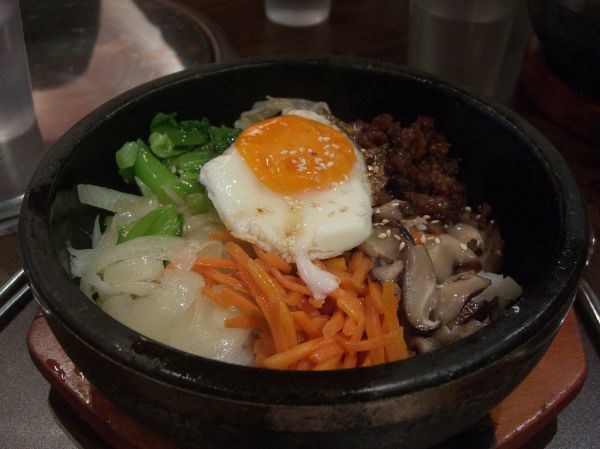
This really comes down to what you’re after. Jeonju’s biggest draw is its hanok village — one of the largest, best-preserved clusters of traditional Korean houses still standing, now packed with tea houses, guesthouses, small museums, and street food stalls along streets like Eunhaengno. It’s also widely credited as the birthplace of the most famous version of bibimbap, and honestly, food alone is reason enough for most people to make the trip.
Consider a day trip if:
- You’re short on time and mainly want to walk the hanok village, eat bibimbap, and grab a few photos
- You’re pairing Jeonju with other regional stops on a wider Korea itinerary
- You’re fine with a packed, fast-moving day rather than a relaxed one
Consider staying overnight if:
- You want to sleep in a traditional hanok guesthouse, which is a genuinely different experience from a hotel and not something Seoul can really offer
- You’d like to see the village once the day-trip crowds thin out and the lanterns come on
- You want time for the makgeolli alley, the old bookstore streets, and the quieter corners past Nambu Market that most day-trippers never reach
A common mistake first-timers make is trying to squeeze Jeonju into the same day as another distant city, on the assumption that everything in Korea sits close to Seoul. Given the actual travel time involved, pairing Jeonju with a nearby city like Gunsan, or just giving it its own dedicated day (or overnight), works out far better than bolting it onto an already packed Seoul schedule.
What else should you know before planning the trip?
- Luggage: most train stations and bus terminals have storage lockers, which is worth using — the hanok village’s streets are narrow and cobbled, not exactly rolling-suitcase friendly, so pack light for the walking parts.
- Weekend crowds: the hanok village gets genuinely packed on weekends and holidays, with the main streets sometimes slowing to a shuffle. Weekday visits are noticeably calmer and make for better photos.
- Hanbok rentals: much like Seoul’s palace areas, renting a hanbok to wander the village in is hugely popular, and it often gets you free or discounted entry to smaller attractions along the way.
- Regional food differences: Jeolla-do cuisine has its own distinct character next to Seoul’s — think generous banchan spreads, bolder seasoning, and dishes like kongnamul gukbap you won’t find done quite the same way up north. Go in hungry.
Bottom line: Jeonju is absolutely worth the trip, but treat it as its own regional destination with its own travel block, not a quick add-on to a Seoul city tour.
자주 묻는 질문 (FAQ)
Is Jeonju a district or neighborhood of Seoul?
No. Jeonju is an entirely separate city and the capital of North Jeolla Province, located in southwestern Korea. Seoul is its own metropolitan jurisdiction in the northwest. They don’t share any administrative boundary.
How long does it take to get from Seoul to Jeonju?
By KTX train, the trip takes roughly the length of a long movie — around one and a half to two hours depending on the specific train and whether it’s direct. Intercity buses take longer, generally landing a bit under three hours depending on traffic.
Can Jeonju be visited as a day trip from Seoul?
Yes, plenty of travelers do it as a day trip, especially if the main goal is walking the hanok village and trying local bibimbap. Just know it’s a fuller day than closer destinations like Nami Island or Suwon, since round-trip travel alone eats up several hours.
What is Jeonju best known for?
Jeonju is best known for its hanok village — a large, well-preserved area of traditional Korean houses now filled with cafes, guesthouses, and shops — and for being closely associated with one of Korea’s most famous bibimbap styles.
Is it better to take the train or bus from Seoul to Jeonju?
The KTX train is faster and more comfortable but costs more and can sell out on weekends, so booking ahead helps. The intercity bus is cheaper and runs frequently, making it a solid backup whenever train tickets aren’t available.