You clear customs, follow the crowd toward the arrivals hall, and suddenly there are five different signs pointing five different directions — train, bus, taxi stand, limousine counter. It’s a lot to process after fourteen hours in the air. The reassuring part is that Incheon is one of the easier airports in the world to leave: every option is well-signed in English, staffed, and used by thousands of foreign travelers daily, so there’s no real way to get stranded. This guide walks through the train, the buses, taxis, and private transfers with real trade-offs for real situations — solo backpacker watching every won, family of four with a stroller and two car seats, or someone landing at midnight with nothing left in the tank.

What are the actual ways to get from Incheon Airport to Seoul?
Strip away the marketing and it comes down to four real choices:
- AREX (Airport Railroad Express) — the train, either the nonstop express or the all-stop commuter version
- Airport limousine buses — coach buses that run fixed routes directly into specific hotel districts
- Taxi — a regular metered cab, or a premium ‘deluxe’ van-style taxi
- Private transfer — a car and driver booked ahead of time, waiting with a name sign at arrivals
None of these is objectively “best” — a solo traveler with a backpack and a family hauling three suitcases and a jetlagged toddler should not make the same choice. The right call depends on your luggage, how close your hotel is to a subway stop, and honestly, how much patience you have left after the flight.
How does the AREX train work?
Here’s the part that trips up almost every first-timer: Incheon runs two different trains on the same line, and confusing them either costs you time or money.
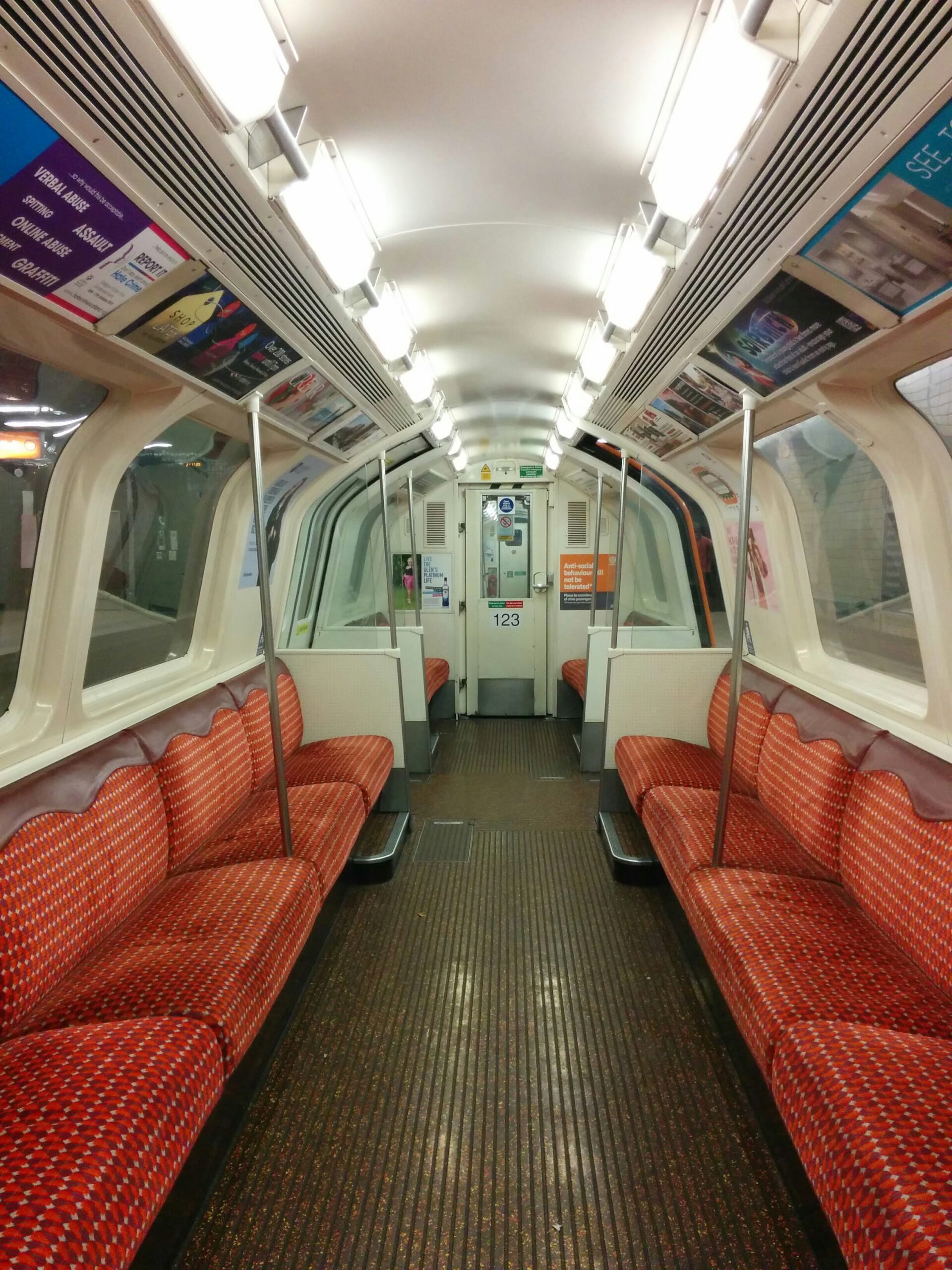
- AREX Express (nonstop): Goes straight from the airport to Seoul Station with zero stops. It’s the fastest public transport option into the city core, and the ride itself feels almost like a short flight — quiet, dedicated seating, luggage racks built right into the car.
- AREX All-Stop (commuter train): Same tracks, but it pulls into every station along the way, including Digital Media City, Hongik University, and Gongdeok. It’s slower and looks like the “budget” option on paper, but for a surprising number of travelers it’s actually the smarter pick — if you’re staying near Hongdae, for instance, getting off at Hongik University station puts you closer to your hotel than riding the express all the way into Seoul Station and backtracking.
Both trains are clean and air-conditioned with decent room for bags, but during weekday rush hour they fill up with commuters fast. If you’re wheeling two large suitcases, aim to avoid roughly 7–9am and 6–8pm if your schedule allows it.
Which option is actually cheapest?
From most to least affordable — treat these as rough positioning rather than fixed prices, since fares shift slightly with fuel surcharges and time of day:
- AREX All-Stop train — priced close to a normal subway fare, the cheapest way into the city by a wide margin
- AREX Express train — noticeably more than the all-stop service, but still far below any bus or taxi
- Airport limousine bus — sits in the middle, usually less than a taxi but a step up from the train
- Regular taxi — a meaningful jump in price, and late-night surcharges push it higher after midnight
- Deluxe taxi / private transfer — the most expensive per booking, but you’re paying for a fixed price and someone else doing the thinking
If you’re alone or traveling as a pair with carry-on-sized luggage and your hotel sits near a subway line, the train wins almost every time — it’s not close. But the math changes with a group: split a taxi or private transfer four ways and it can land cheaper per person than four separate train tickets, with none of the transfers or stair-lugging in between.
Which option is actually fastest?
Speed has less to do with which vehicle you pick and more to do with where you’re actually staying:
- Heading somewhere right around Seoul Station? The AREX Express is tough to beat — nothing else gets you there as directly.
- Staying in Myeongdong, Hongdae, Gangnam, or Itaewon? A direct limousine bus or taxi is frequently the quicker overall choice, because the train drops you at Seoul Station and you still need a subway ride or cab from there.
- Traffic swings things more than people expect. During evening rush hour, a bus or taxi ride that normally takes an hour can stretch well past that, while the train’s schedule stays untouched by whatever’s happening on the roads.
How do airport limousine buses work, and are they worth it?
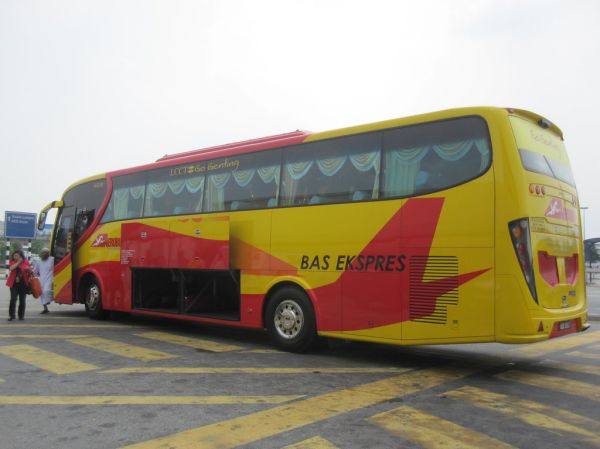
Limousine buses are the option most first-time visitors overlook, which is a shame — they’re genuinely comfortable. Think reclining seats, real legroom, luggage bays underneath like a long-distance coach, and often multilingual announcements calling out upcoming stops.
The logic is refreshingly simple: find the bus number tied to your neighborhood, hand your suitcase to the driver loading the underneath compartment, and sit until you’re a short walk from your hotel — no subway turnstiles, no stairs, no transfers. That’s a real advantage if you’re exhausted, traveling with grandparents, or wrangling a stroller and a diaper bag through a foreign airport.
The catch is traffic dependency, and if your specific neighborhood isn’t one of the bus’s named stops, you might walk further than you would from a subway exit. Ticket counters and digital boards in the arrivals hall list every route by destination name in English, so there’s no guesswork — just match your hotel’s neighborhood (or the nearest major landmark) to a route number and pay at the counter before boarding.
Is a taxi from Incheon Airport to Seoul worth it?
Taxis earn their higher price in a handful of specific scenarios:
- You’ve landed late enough that trains and most buses have already stopped for the night
- You’ve got more luggage than the train’s turnstiles and platform transfers can comfortably handle
- Your hotel has no direct bus route and an awkward, multi-transfer subway connection
- You’d simply rather not make another decision after a long-haul flight
Standard orange or silver taxis are metered and dependable — you’ll pay exactly what the meter shows. The ‘deluxe’ or ‘international’ taxis are larger, pricier, and often staffed or driven by someone who speaks English, which can be worth it if this is your first time in Korea and you’d rather sidestep any language friction the moment you land.
One thing to actively avoid: if someone approaches you inside the terminal offering a “special price” ride to Seoul, walk past them. These are unlicensed operators who routinely overcharge tourists. Stick to the official taxi queue just outside arrivals, where staff wave you toward the next car in line.
What about private airport transfers?
Private transfers sit in an increasingly popular middle ground: book online ahead of time, and a driver is waiting at arrivals holding a sign with your name. You lock in a fixed price before you even land — no surge pricing, no late-night surcharge — the driver tracks your flight in case it’s delayed, and you’re driven straight to your door.
This tends to make the most sense when:
- You’re landing very late or very early and want zero uncertainty waiting for you at the airport
- You’re traveling as a family or group and would rather split one predictable cost than juggle individual tickets
- Your accommodation sits slightly outside central Seoul, or in a spot that’s genuinely annoying to reach by subway
- You’ve been traveling for over half a day and logistics are the last thing you want to think about
The obvious downside is cost — per booking, it’s usually the priciest of the four options. But divide that fare across three or four people and it stops looking like a splurge and starts looking like reasonable convenience.
A quick step-by-step checklist for first-timers
- Check your terminal first — Incheon has two terminals linked by a shuttle, and your airline decides which one you land at. Confirm this before you leave home so you’re not backtracking through the building on arrival.
- Decide what matters most: cheapest, fastest, or least effort. Answering that one question usually narrows things down to a single option immediately.
- Choosing the train? Follow the AREX signs and confirm express vs. all-stop before you buy — they leave from different platforms, and buying the wrong ticket means backtracking.
- Choosing a bus? Head to the ticket counter or digital board, match your hotel’s neighborhood to a route number, and pay before boarding.
- Choosing a taxi? Go directly to the official taxi stand outside arrivals — ignore anyone approaching you inside the terminal.
- Choosing a private transfer? Look for your driver’s name sign near the arrivals exit, usually among a small cluster of drivers holding similar signs.
- Have your address ready, ideally in Korean — even a screenshot on your phone works well for showing a driver or bus staff who might not read English easily.
One last practical detail: currency exchange counters and ATMs sit right in the arrivals hall, so you can withdraw won before you’ve even chosen your transportation. Worth doing, since older taxis in particular don’t always handle foreign cards smoothly.
자주 묻는 질문 (FAQ)
What is the fastest way from Incheon Airport to Seoul?
The AREX Express train to Seoul Station is generally the fastest public transport option since it skips traffic entirely. But if your hotel isn’t near Seoul Station, a direct limousine bus or taxi to your specific neighborhood can end up faster overall once you factor in the transfer from the station.
Is the train or bus cheaper from Incheon Airport to Seoul?
The train, especially the all-stop AREX service, is almost always the cheapest option available. Limousine buses cost more than the train but less than a taxi, and they’re worth the difference if your hotel sits far from the nearest subway station.
How much luggage can I bring on the AREX train or airport bus?
Both are built with international travelers in mind, so luggage racks and underfloor storage comfortably handle a couple of large suitcases per person. If you’re carrying noticeably more than that, a taxi or private transfer will simply save your arms and back.
Can I get from Incheon Airport to Seoul late at night?
Public transport runs late but not around the clock, so if you land close to midnight or your flight is delayed past the last train or bus, a taxi or a pre-booked private transfer becomes your most reliable option. It’s worth checking your arrival time against the transit schedules in advance if a night landing is likely.
Do I need to book transportation from Incheon Airport in advance?
Trains, buses, and regular taxis don’t need advance booking — you just buy a ticket or join the queue after landing. Private transfers are the exception, since a driver has to be arranged ahead of time to match your specific flight and arrival window.