Short answer: no, Busan is not part of Seoul. They’re two separate cities at opposite ends of the country, each with its own mayor, subway system, and airport. If you’ve caught yourself typing ‘is Busan a district of Seoul’ into a search bar, you’re not alone — it’s one of the most common mix-ups among people planning their first Korea trip. Here’s what’s actually going on, and why it matters for how you book your itinerary.
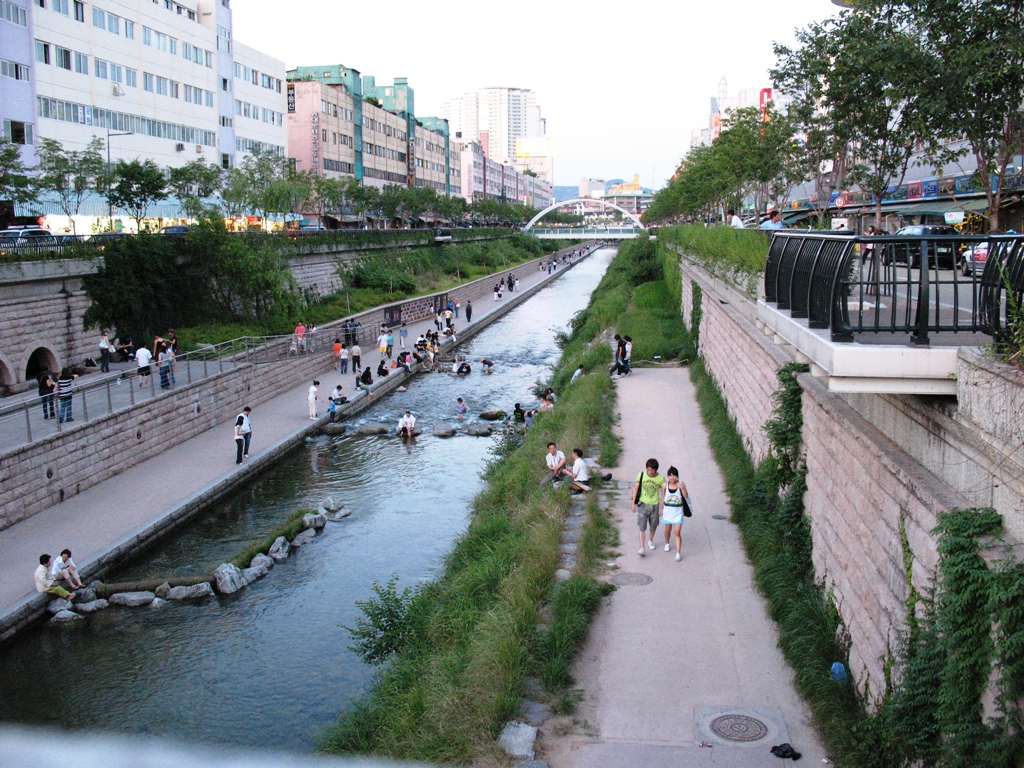
Why do people think Busan is part of Seoul?
It’s a reasonable mistake to make, and it usually comes from three directions:
- Seoul is the face of Korea abroad. Nearly every K-drama café shot, K-pop music video backdrop, or news clip about Korea traces back to Seoul, so it’s easy to start assuming Seoul basically is Korea and everything else is just a neighborhood of it.
- The country reads smaller than it is on a map. South Korea is roughly the size of Indiana, or a touch bigger than Portugal — small enough on a world map that people used to thinking in U.S. or China-sized distances assume any two ‘major cities’ must be practically next door.
- Travel guides pair them constantly. Because ‘Seoul and Busan’ is the standard two-city itinerary for first-timers, some readers subconsciously file them together the way they’d file Manhattan and Brooklyn — two pieces of one place, rather than two entirely different cities.
None of that holds up once you look at the map. A closer comparison is Los Angeles and San Francisco: both famous, both worth visiting, both in the same state — but nobody would call one a suburb of the other.
What is the actual relationship between Seoul and Busan?
Both cities carry the same top rank in Korea’s administrative system: they’re each a ‘special city’ or ‘metropolitan city,’ which puts them on equal legal footing with a province. Neither sits inside the other, and neither answers to the other.
- Seoul is the national capital, tucked into the northwest corner of the peninsula, not far from the North Korean border.
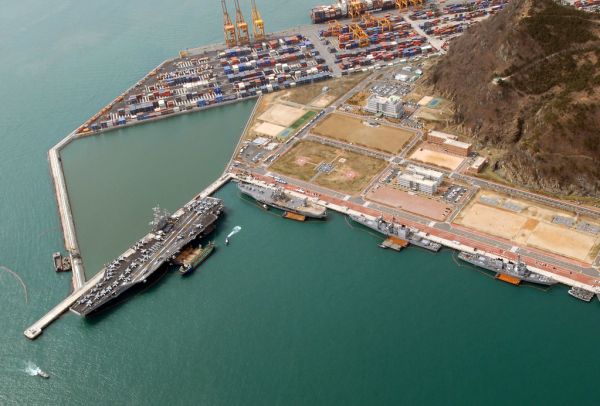
- Busan is Korea’s second-largest city and its busiest port, sitting at the southeastern tip of the country, looking out toward Japan across the Korea Strait.
They run separate subway networks, separate city halls, separate mayors — the works. What they do share is what any two cities in the same country share: the same national government, the same currency (the won), and the same language. It’s the New York–Chicago relationship, not the Manhattan–Queens one.
How far apart are Seoul and Busan, really?
They sit at roughly diagonal opposite corners of the country. In terms of actually getting from one to the other:
- By high-speed KTX train, plan on around two and a half hours — this is the option most travelers end up using, since it drops you right in the city center at both ends.
- By domestic flight, the air time itself is under an hour, but once you add security, boarding, and getting to and from both airports, the door-to-door time often lands close to the train anyway.
- By express bus, figure on somewhere around four to five hours depending on traffic — cheaper, but a real commitment.
To put that in perspective, it’s a similar stretch to traveling between two capital cities in neighboring European countries, or between two major stops on the U.S. East Coast. It’s a trip you plan around, not one you squeeze in on a whim.
A quick comparison to put it in perspective
- Seoul to Incheon Airport: under an hour by train — this genuinely is a short, commuter-style hop within Seoul’s greater metro area.
- Seoul to Busan: two and a half hours minimum on the fastest train — a real intercity journey, not a hop.
- Busan to Seoul’s satellite cities (Suwon, Incheon, etc.): just as far as Busan is from Seoul itself, since those cities orbit Seoul, not Busan.
So yes, ‘Seoul in the morning, Busan by dinner’ is doable if you catch an early KTX — but budget for a full travel day, not a quick side trip.
Should you visit both Seoul and Busan on one trip?
Plenty of people do, and pairing them gives you a genuinely different picture of Korea than either city alone. But because the distance is real, the trip works much better with a bit of deliberate planning than with a ‘we’ll figure it out’ approach.
A simple planning checklist
- Settle your total trip length first. Under five days, you’re often better off picking one city and exploring it properly rather than splitting your time and spending half of it on trains.
- Book KTX tickets ahead of weekends and holidays. Seats on the popular morning and evening trains sell out fast around Chuseok, Lunar New Year, and long weekends — sometimes days in advance.
- Give each city its own base. Skip the Busan day-trip-from-Seoul idea; a couple of nights in each city means you’re actually spending your vacation in the destination, not on the platform.
- Consider an open-jaw flight. Both Incheon (Seoul) and Gimhae (Busan) handle international flights, so flying into one and out of the other avoids doubling back across the country.
- Pack with both climates and vibes in mind. Busan’s beach-town energy calls for sandals and lighter layers in summer; Seoul leans more toward city-street style and, depending on season, serious layering.
A route that works well for a two-week trip: several days in Seoul first (palaces, markets, maybe a DMZ day tour), then the KTX down to Busan for beaches, seafood markets, and temple visits, finishing by either flying out of Busan directly or heading back up to Seoul for your international flight.
What makes Busan different from Seoul as a destination?
Since they’re not just separate cities but genuinely different kinds of cities, it’s worth knowing what sets them apart before you decide how to split your days.
- Seoul is dense and layered — five-century-old palace gates sitting a block from glass office towers, a subway map that looks like a circuit board, and neighborhoods that each have their own identity: Hongdae for nightlife, Gangnam for shopping and skincare clinics, Bukchon for hanok rooftops.
- Busan is looser and more coastal — mountains, beaches, and the sea are woven into daily life in a way landlocked-feeling central Seoul just doesn’t have. Think Haeundae Beach at sunrise, Jagalchi fish market at full volume, and a temple like Haedong Yonggungsa built right into the cliffs above the water.
- Seoul runs the country’s politics and corporate life; Busan runs its ports and shipping. That split shows up in small ways too — the pace on the street, the kind of festivals each city throws, even how late dinner starts.
If you can only pick one, the honest question is: do you want dense urban history and nonstop city energy (Seoul), or coastline, seafood, and a slower gear (Busan)? Neither answer is wrong.
Are there other Korean cities people confuse with being ‘part of’ Seoul?
Busan gets this question the most, but it’s not the only one worth untangling:
- Incheon — this one actually sits right next to Seoul and hosts the main international airport, so the confusion is more understandable here. It’s still its own metropolitan city with its own government, though it does belong to the wider Seoul Capital Area.
- Gyeonggi Province — wraps around Seoul and includes satellite cities like Suwon and Goyang, which do function as a real commuter-belt relationship with Seoul, closer to what people picture when they imagine ‘Seoul and its suburbs.’
- Jeju Island — occasionally assumed to be within easy reach of the mainland cities; it’s actually a separate island province, and getting there means a flight or ferry from either Seoul or Busan.
The rule of thumb: any place holding ‘metropolitan city’ or ‘special city’ status on its own — Seoul, Busan, Incheon, Daegu, Daejeon, Gwangju, Ulsan — runs itself. It’s not a district tucked inside another city’s borders.
자주 묻는 질문 (FAQ)
Is Busan a district or suburb of Seoul?
No. Busan is a fully separate metropolitan city with its own government, subway system, and airport, sitting at the opposite end of the country from Seoul — nowhere close to Seoul’s city limits or metro area.
How long does it take to get from Seoul to Busan?
By KTX high-speed train, around two and a half hours. By domestic flight, under an hour of actual flying time, though airport transfers eat into that savings. By express bus, roughly four to five hours depending on traffic.
Can I visit Busan as a day trip from Seoul?
Technically yes, with an early train out and a late one back, but it makes for a long day with surprisingly little actual time in Busan. Staying at least one or two nights there tends to feel much less rushed.
Which is bigger, Seoul or Busan?
Seoul is considerably larger in both population and footprint, and it’s the national capital. Busan is Korea’s second-largest city and its busiest port, but it’s noticeably smaller and more spread out than Seoul.
Do Seoul and Busan use the same currency, language, and transit card?
Yes to currency and language, since they’re part of the same country. T-money and similar transit cards generally work in both cities’ public transport systems, even though each city operates its own separate subway and bus network.