Gangneung sits on Korea’s east coast along the East Sea, roughly a two-hour train ride from Seoul, and it packs close to a dozen beaches into a fairly small stretch of coastline—each with a noticeably different personality. Gyeongpo is where families spread out towels and toddlers chase waves; Anmok is where nobody’s really swimming, they’re just holding a coffee and staring at the horizon; Sacheon has surfboards racked up like a shop window; Jeongdongjin has a train platform so close to the sand that photos of it circulate every winter. This guide sorts out which beach actually fits what you’re after, how to move between them without wasting half your trip on transfers, and the small stuff—parking, tide flags, jellyfish season—that most posts about “the best beach in Gangneung” never mention.
Why do people choose Gangneung over other Korean beach towns?
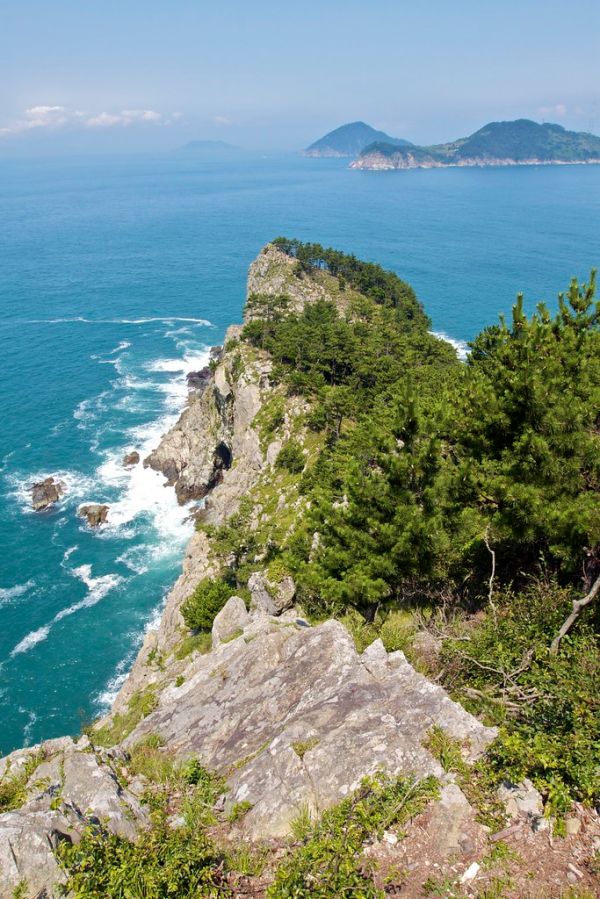
Busan gets the international spotlight, but Gangneung is a genuinely different kind of trip, not just a smaller version of the same one. The water along the East Sea tends to run clearer than what you’ll find off Busan’s city beaches—there’s no container port or apartment skyline crowding the view, just pine-covered hills and open water. And because Gangneung isn’t a sprawling metropolis, it’s compact in a way that actually matters on the ground: you can swim at Gyeongpo in the morning, grab lunch near a fishing harbor, and still make it to a surf lesson by early afternoon. Try planning that kind of day around Haeundae and Gwangalli, and you’ll lose most of it to traffic.
The other reason people pick Gangneung is coffee, which sounds like a strange thing to say about a beach town until you’ve walked Anmok’s shoreline. Gangneung has spent years building a reputation as Korea’s coffee city, and the beach towns of Anmok and Gangmun are where that identity actually lives—block after block of independent roasteries with floor-to-ceiling windows facing the water, run by people who take their pour-overs seriously, not a franchise cafe in sight. So a trip here rarely stays “just the beach.” It naturally turns into swim, then coffee, then grilled fish or fresh sashimi as the sun goes down.
Which Gangneung beach actually matches what you want to do?
This is the real question behind most “best beach in Gangneung” searches, because no single beach does everything well—Gyeongpo isn’t going to give you a good surf lesson, and Sacheon isn’t going to hand you a parasol and a lifeguard whistle. Here’s how they actually break down.
Gyeongpo Beach — the one for swimming and first-timers
- The longest, widest stretch of sand in the area, with a solid wall of hotels and pensions behind it—this is the beach you picture when someone says “Gangneung beach.”
- The designated swimming beach during the summer season, with lifeguards, color-coded safety flags, and rental stalls for tubes and parasols set up right on the sand.
- Backs onto Gyeongpo Lake, where a paved loop path draws cyclists and evening walkers if you want a change of scenery from the sand.
- Best for: families, first-time visitors, anyone who wants amenities close by and doesn’t mind sharing the beach with a crowd in July and August.
Anmok Beach — the one for coffee, not swimming
- Right next to Gyeongpo, a short walk along the waterline connects the two.
- Locally nicknamed “Coffee Street”—dozens of independent cafes, many with floor-to-ceiling glass facing the sea, the kind of places where people camp out with a laptop or a book for hours.
- The sand itself is unremarkable; nobody comes here to swim, they come to sit with a cup of something and watch the waves roll in.
- Best for: couples, slow mornings, sunset photos, anyone chasing the aesthetic over an actual swim.
Gangmun Beach — the one with a livelier, younger crowd
- Sandwiched between Gyeongpo and Anmok, home to a cluster of rooftop cafes and bars known collectively as the SEA (Sea Art) zone.
- Small landmark structures—a lighthouse, a few photo-friendly installations—give it a slightly more curated, Instagram-ready feel than its neighbors.
- Gangneung’s aquarium (Ocean World) is a short walk away, useful as a backup plan if the weather turns or the kids get restless.
- Best for: a livelier beach-adjacent evening, photos, groups who want food and drinks within stumbling distance of the sand.
Jumunjin Beach — the one for seafood and sunrise
- A working fishing port first and a beach second, with a raw-fish (hoe) market right at the harbor where boats still come in with the day’s catch.
- Quieter and rougher around the edges than Gyeongpo—less polished, more like a real coastal town going about its business.
- Known among Korean travelers as a filming location for a popular drama, which brings a steady trickle of visitors hunting for that one specific spot.
- Best for: seafood lovers, early risers, anyone who’d rather see a working harbor than a resort strip.
Sacheon Beach — the one for surfing
- Smaller and calmer than Gyeongpo, with surf schools and board rental shacks lined up right on the sand.
- Draws a younger, more local crowd—fewer big hotels, more of the low-key, hipster-cafe atmosphere you’d expect near a surf beach.
- The waves here are generally gentle enough for beginners, which is exactly why most surf lessons in the area are based here instead of at the bigger beaches.
- Best for: first-timers picking up a board, anyone wanting a quieter beach with decent coffee nearby.
Jeongdongjin — the one for sunrise and a strange claim to fame
- Home to a train station so close to the shoreline it’s often mentioned as one of the nearest stations to the sea anywhere in the world—step off the platform and you’re practically on the sand.
- One of the country’s most popular sunrise-watching spots, and the crowds around New Year’s Day prove it—people bundle up in the cold specifically to watch the first sunrise of the year here.
- A ship-shaped hotel sits perched on the cliff above the beach, and a nearby park lets you walk through a decommissioned naval vessel and submarine.
- Best for: sunrise chasers, train enthusiasts, anyone building a slightly longer day trip since it sits further out than the other beaches.
How do you actually get to Gangneung and between its beaches?
Getting to Gangneung itself is the easy part. The KTX runs directly from Seoul (Seoul Station or Cheongnyangni Station) to Gangneung Station in roughly two hours, no transfers required—a real upgrade from the era when this trip meant a slow, winding bus ride over the mountains. Intercity buses from Seoul’s Express Bus Terminal are the cheaper option, usually taking around three hours depending on traffic, and they’re a fine choice if you’re not in a rush.
Once you’ve actually arrived, here’s the part people tend to underestimate: the beaches are more spread out than the map suggests, and while public transit connects them, it’s not always fast.
- Gyeongpo and Anmok are close enough to Gangneung Station that a short taxi ride or a local city bus gets you there in minutes, and the two are an easy walk from each other.
- Gangmun is just a short bus or taxi ride past Gyeongpo—barely a detour.
- Sacheon and Jumunjin sit further out and are best reached by bus, taxi, or rental car; they’re not the kind of distance you want to cover on foot from downtown.
- Jeongdongjin is the outlier—its own train stop and a meaningfully longer trip, better treated as a half-day excursion than something you casually tack onto a day of beach-hopping.
If you’re planning to hit more than two beaches in a day, renting a car in Gangneung (or arranging one from Seoul) will save you real time. Taxis are reasonably priced by international standards, but the fares add up quickly once you start crisscrossing the coast all day.
When is the best time of year to visit Gangneung’s beaches?
The right answer depends entirely on what you actually want to do there.
- Mid-summer (roughly late July through mid-August) is the official swimming season—lifeguards are posted, safety flags go up, and rental stalls for tubes and parasols are running full tilt. It’s also peak crowd season, especially on weekends, so book accommodation well in advance and expect Gyeongpo’s sand to fill up shoulder to shoulder.
- Late spring and early autumn are arguably the sweet spot for most travelers: warm enough to walk the shoreline comfortably, cafes are still humming, but you’re not circling for a parking spot or fighting for towel space.
- Winter turns Gangneung into an almost different destination—swimming’s off the table, but the beaches empty out and become strikingly photogenic, especially at sunrise. Jeongdongjin in particular sees a surge of visitors right around New Year’s, cold weather and all, so that one specific window is actually busier than you’d expect from a winter beach.
If swimming is the whole point of your trip, stick to summer. If it’s coffee, photos, a surf lesson, or a sunrise, almost any season works—you’ll just be dressing very differently depending on which one you pick.
What’s a good one-day or weekend beach-hopping itinerary?
Here’s a realistic route for a single day if you’re based near Gangneung Station, assuming you’ve got a car or don’t mind a few taxi rides:
- Morning: Start at Gyeongpo Beach for an early walk or swim before the crowds show up, then wander over to Anmok for coffee at one of the Coffee Street cafes.
- Midday: Head to Gangmun for lunch and a look at the SEA cafe zone, or detour to Gangneung Ocean World if you’ve got kids with you.
- Afternoon: Drive up to Sacheon for a beginner surf lesson, or push further to Jumunjin for fresh seafood and a wander around the fishing port.
- Evening: Loop back to central Gangneung for dinner, or, if you’ve got an extra day, save Jeongdongjin for the next morning and go specifically for the sunrise.
If you’ve only got one day, don’t try to squeeze Jeongdongjin in at the end of it—it works far better as its own early-morning trip than as a rushed last stop after a long day of driving.
What should you know before you go? (Practical tips and common mistakes)
- Parking fills up fast in summer. Gyeongpo’s lots are often full by mid-morning on weekends; get there early or plan on parking a few blocks back and walking in.
- Check the safety flags before you swim. Lifeguards post color-coded flags for water conditions and will close swimming areas during high surf or rip current warnings—that’s not background scenery, it’s worth actually paying attention to.
- Jellyfish tend to show up toward late summer. It’s not a constant problem, but if you’re swimming in late August, it’s worth asking a lifeguard or checking posted notices before wading out too far.
- Outside the official swimming season, there are no lifeguards on duty. The beaches stay open for walking and photos, but you’re swimming at your own risk, and the water cools off faster than you’d expect once autumn arrives.
- Book accommodation early for peak summer weekends and the New Year’s period at Jeongdongjin. These are the two stretches where rooms—and even some restaurant tables—get snapped up well ahead of time.
- Carry cash or a Korean payment app as backup. Smaller cafes and market stalls, especially around Jumunjin, don’t always handle international cards smoothly.
So, which Gangneung beach should you actually pick?
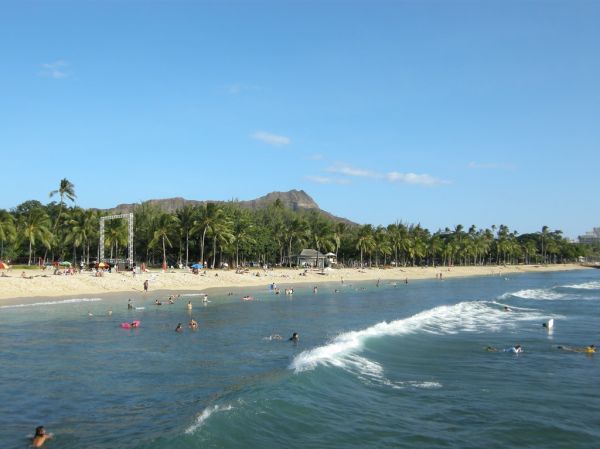
If you want the short version: go to Gyeongpo if this is your first visit and you actually want to swim and take in the classic Gangneung beach scene. Tack on Anmok right after for coffee, since they’re basically neighbors anyway. If you’re after something more distinctive—learning to surf, chasing a sunrise, or wandering a working port town—build a half-day around Sacheon, Jeongdongjin, or Jumunjin, depending on which of those experiences pulls at you more. There isn’t really a single “best” beach here, just the best one for the trip you’re actually trying to take—and Gangneung is small enough that you rarely have to settle for just one.
자주 묻는 질문 (FAQ)
Which Gangneung beach is best for swimming?
Gyeongpo Beach is the main official swimming spot, with lifeguards and safety flags during the summer season (roughly late July to mid-August). It’s also the widest and most crowded, so arrive early on weekends if you want any breathing room.
Which Gangneung beach is closest to the KTX train station?
Gyeongpo and Anmok are the most convenient, usually just a short taxi or local bus ride from Gangneung Station. Jumunjin, Sacheon, and especially Jeongdongjin sit further out and need more travel time.
Can you visit Gangneung’s beaches in winter?
Yes, and plenty of people do it specifically for the scenery and sunrise views, particularly at Jeongdongjin. Swimming isn’t an option and there are no lifeguards on duty, but walking, photography, and cafe-hopping work fine year-round.
Do I need a rental car to see multiple Gangneung beaches?
Not strictly, but it makes a real difference if you’re trying to fit in more than two or three beaches in a day, since some—like Sacheon and Jumunjin—sit well outside central Gangneung. Taxis and local buses work, but the time and cost add up quickly.
Is Gangneung better than Busan for a short beach trip from Seoul?
It depends on what you’re after. Gangneung’s water tends to run clearer and the town feels far less urban, plus it’s only about two hours from Seoul by KTX. Busan brings more nightlife and a bigger city backdrop to the coast. For a quieter, coffee-and-coastline kind of trip, Gangneung usually wins out.