Kimchi is Korea’s fermented vegetable dish — most commonly napa cabbage seasoned with chili flakes, garlic, ginger, and salted seafood, then left to ferment for anywhere from a few days to several months. That one-line answer is technically correct, but it’s about as useful as saying pizza is ‘bread with toppings.’ Kimchi is a whole category, not a single recipe: there are versions with no chili at all, versions made from radish or cucumber instead of cabbage, versions eaten fresh within a week and versions prized specifically because they’ve turned sour over months. This guide gets into what’s actually in the jar, why two bowls of kimchi rarely taste the same, and how to order, eat, and buy it without feeling like you’re guessing.
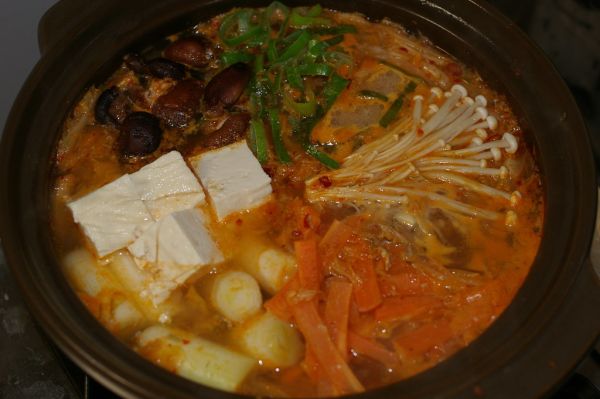
What exactly is kimchi made of?
Strip away the seasoning and kimchi is just vegetables preserved through lacto-fermentation — the same basic process that turns cucumbers into pickles or milk into yogurt, where salt creates an environment that favors certain bacteria, and those bacteria produce the lactic acid that gives fermented foods their tang. What separates Korean kimchi from, say, German sauerkraut is everything layered on top of that base process.
The basic building blocks
- A vegetable base — napa cabbage is the poster child, but radish, cucumber, green onion, and mustard greens all get the same treatment depending on the season
- Gochugaru (Korean red chili flakes) — responsible for the color and, in most versions, the heat — though as you’ll see below, plenty of kimchi skips this entirely
- Garlic and ginger — pounded (not minced) into a rough paste, which is what gives kimchi its sharp, almost pungent backbone rather than a mellow garlicky flavor
- Salted seafood (jeotgal) — usually fermented anchovy or tiny shrimp, and honestly the ingredient most first-timers have no idea is in there
- Salt — doing double duty: it pulls water out of the cabbage during the initial brining, and later it acts as the brake pedal that keeps fermentation from running away too fast
- A rice or flour porridge — a thin, sticky base that helps the chili paste cling to the leaves and gives the fermenting bacteria something extra to feed on
If your only kimchi experience is the pale, one-note version served alongside bulgogi at a so-so restaurant abroad, you’d be forgiven for thinking it’s just spicy pickled cabbage. It isn’t. That jeotgal is doing the same job fish sauce does in Thai or Vietnamese cooking — it’s the difference between a dish that tastes sharp and one that tastes deep.
Is kimchi always spicy, and is it the same as sauerkraut?
No on both counts, and these two mix-ups come up constantly.
Spice level varies a lot
Classic red cabbage kimchi (baechu-kimchi) does carry real heat for most people. But white kimchi (baek-kimchi) is made with zero chili — it’s clean, faintly sweet, a little tangy, and a smart place to start if spice isn’t your thing. Water kimchi (dongchimi) goes even further in the other direction: radish sitting in a light, almost clear brine, traditionally ladled out in winter next to warm rice or a bowl of noodles, closer in spirit to a cold pickle soup than anything fiery.
How it differs from sauerkraut
- Seasoning complexity: sauerkraut is cabbage, salt, and time; kimchi adds chili, garlic, ginger, and fermented seafood into the mix, which is why the flavor is louder and more layered
- Fermentation temperature: kimchi traditionally ferments slow and cool — buried in clay jars underground for centuries, now in purpose-built kimchi refrigerators that hold a steadier, slightly colder temperature than a regular fridge
- Umami source: sauerkraut leans on the cabbage’s own natural sugars; kimchi gets an extra savory push from the seafood in the seasoning paste
- Texture: well-made kimchi stays crisp for surprisingly long, thanks to how thoroughly the cabbage is salted and rinsed before it ever meets the chili paste
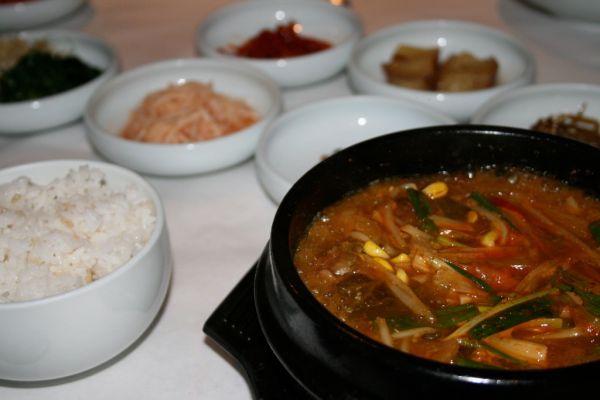
Why does kimchi taste different depending on where you eat it?
Order kimchi in Seoul, then again in Busan, then again at your friend’s grandmother’s house, and you’ll notice it’s never quite the same dish twice. That’s not inconsistency — it’s the point.
Regional differences worth knowing
- Northern-style kimchi tends to be milder and less salty, with a thinner, more watery brine — a legacy of cold weather naturally slowing fermentation, so cooks never needed heavy salt as a preservative in the first place
- Southern-style kimchi runs saltier, spicier, and more heavily seasoned with fermented seafood, because the warmer southern climate meant more salt was necessary to keep fermentation from racing out of control
- Coastal regions often throw a wider variety of seafood into the paste — sometimes raw fish, sometimes oysters — giving their kimchi a distinctly briny edge you won’t find inland
Kimjang: the tradition behind the taste
Plenty of families still practice kimjang — a once-a-year, all-hands-on-deck kimchi-making event, typically held in late autumn, where enough kimchi is made in a single day to last through winter. It’s significant enough that UNESCO added it to its intangible cultural heritage list. Get invited to one and expect a full day of salting cabbage by the armful, mixing paste in tubs the size of bathtubs, and garlic under your fingernails for a week afterward — tedious in the moment, but it’s genuinely the fastest way to understand why kimchi tastes the way it does.
How many types of kimchi actually exist?
Most visitors assume ‘kimchi’ means one dish. In practice, Korea has well over a hundred documented regional and seasonal variations once you count every local twist. As a visitor, though, you’ll mostly run into a handful:
- Baechu-kimchi — whole or cut napa cabbage kimchi, the default image most people have
- Kkakdugi — cubed radish, crunchy and a touch sweeter, the classic partner for soup dishes like seolleongtang
- Chonggak-kimchi — small whole radishes, greens and all, with a firmer, more satisfying bite
- Baek-kimchi — the white, chili-free cabbage version
- Dongchimi — watery radish kimchi, usually served cold, especially in winter
- Oi-sobagi — cucumber stuffed with seasoning, light and summery since cucumber doesn’t hold up in storage the way cabbage does
- Pa-kimchi — green onion kimchi, sharper and more pungent, often served next to fatty grilled pork
Practical tip: if a table gets loaded with three or four kinds of kimchi at once, try the radish and cucumber versions before the fully fermented cabbage — they’re gentler on a first attempt and won’t overwhelm the rest of the meal.
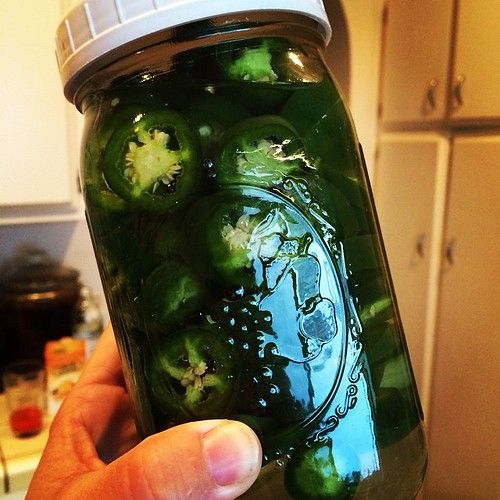
Is kimchi actually healthy, or is that overstated?
Somewhere between ‘superfood’ and marketing hype is the honest answer. Here’s the grounded version.
What’s genuinely well-supported
- It’s fermented, meaning it contains live bacterial cultures in the same family as those in yogurt or kombucha — the kind many nutritionists link to gut health
- Low in calories, decent in fiber — since it’s mostly vegetables, it’s a light counterweight on a table otherwise loaded with rice and grilled meat
- Some real vitamin content from the cabbage and radish themselves, though salting and fermentation shift the nutritional profile over time in ways that aren’t identical to eating the raw vegetable
What to take with a grain of salt (literally)
- Kimchi runs fairly high in sodium — worth remembering if you’re watching salt intake, since it’s easy to eat far more than a token side-dish portion
- Big claims — that it cures colds, supercharges immunity, or wards off specific diseases — are popular in Korea but stretch past what’s actually been proven; think of it as a genuinely healthy fermented vegetable, not medicine
- Some kimchi sold outside Korea is made with a vinegar shortcut instead of true fermentation, which means no live cultures and, frankly, a flatter flavor too
How is kimchi actually eaten in Korea — beyond just a side dish?
Most visitors first meet kimchi as banchan — one of several small side dishes that show up automatically with a Korean meal, usually free and refilled without a second thought. But that’s really only half the picture.
Common ways kimchi shows up
- As banchan — served cold or at room temperature, meant to be nibbled between bites of rice and the main dish rather than eaten as its own course
- Cooked into dishes — kimchi-jjigae (a stew, usually with pork or tofu), kimchi-bokkeumbap (fried rice), and kimchi-jeon (a savory pancake) all lean on older, sourer kimchi as an actual ingredient, not a garnish
- As a topping — chopped into instant ramyeon, stuffed into sandwiches at newer cafes, even folded into fusion tacos at trendier spots
- Old versus fresh — Koreans genuinely value kimchi differently depending on its age; a few-days-old batch is crisp and mild and eaten as-is, while kimchi that’s sat for weeks or months turns sour enough to be specifically sought out for cooking, since that deeper tang survives the heat better
A quick etiquette checklist for first-timers
- Using your own chopsticks to pull from a shared kimchi plate is completely normal at casual meals — no separate serving utensil needed
- Refills are usually free; just flag down staff or press the table intercom if there is one
- If it tastes too sour, that’s likely an older batch — ask for a fresher one, especially at more traditional restaurants that keep both around
- Pair the stronger, spicier kinds with plain rice or grilled meat rather than eating them solo — it tones down the intensity without losing the flavor
Can you make or buy kimchi outside Korea?
Yes, and it’s more accessible than most people expect — though quality really does swing from excellent to disappointing.
Buying it
- Korean grocery chains like H Mart (and plenty of smaller Korean markets) stock packaged kimchi ranging from mild to seriously fermented
- Check the packaging — properly fermented kimchi is ‘alive,’ so the container often bulges slightly from the gas it produces; a perfectly flat, shelf-stable tub is a hint you’re looking at a vinegar-based imitation rather than the real thing
- Refrigerated beats shelf-stable, almost without exception, if you want the actual fermented product and not a quick pickle standing in for it
Making it yourself
You don’t need special gear — a large bowl, a clean jar, and some patience will get you there. The rough process: salt the cabbage and let it sit until it wilts and gives up its water, rinse and drain thoroughly, mix up the seasoning paste (chili flakes, garlic, ginger, and either a seafood-based sauce or a milder vegetarian stand-in like soy sauce), work the paste into every leaf, then pack it into a jar and leave it at room temperature for a day or two before moving it to the fridge. Taste it every day from that point on — that’s genuinely the only reliable way to catch it at the sourness you like, since timing shifts depending on your kitchen’s temperature and how salty your mix turned out.
자주 묻는 질문 (FAQ)
What is Korean kimchi in the simplest terms?
It’s fermented, seasoned vegetables — most often napa cabbage — made with chili flakes, garlic, ginger, and salted seafood, then left to ferment from a few days up to several months depending on the type and desired sourness.
Is kimchi vegan or vegetarian-friendly?
Traditional kimchi usually isn’t strictly vegetarian because of the fermented seafood in the seasoning paste. However, vegan versions made with soy sauce or other plant-based umami substitutes instead of seafood are increasingly common, especially at restaurants used to serving international visitors — it’s worth just asking if this matters to you.
Does kimchi need to be refrigerated?
Yes — refrigeration slows fermentation so the kimchi doesn’t turn overly sour too fast. Many Korean households use dedicated kimchi refrigerators that hold a steady, slightly warmer-than-normal cold specifically suited to long-term kimchi storage.
Why does some kimchi taste so much more sour than others?
Sourness builds the longer kimchi ferments. Fresh kimchi is crisp and mild, while kimchi that’s been sitting for weeks or months develops a much stronger tang — which is actually the preferred state for cooked dishes like kimchi stew, since that deeper sourness holds up better against heat.
Is it true kimchi can help with digestion or immunity?
As a fermented food, kimchi does carry live bacteria similar to what’s found in other fermented foods like yogurt, and that’s often tied to gut health. That said, specific claims about curing illness or dramatically boosting immunity go further than the evidence actually supports — it’s best treated as a genuinely healthy fermented vegetable dish, not a cure.