Quick Summary
A digital nomad visa grants legal residency to foreigners who work remotely without being tied to a single country. As remote work became the norm after the pandemic, dozens of countries around the world rolled out these visa programs. Since income requirements, stay durations, and tax benefits vary widely by country, it’s worth comparing your options carefully before applying. This article covers everything from the basic concept to country-by-country details, application requirements, and the upsides and downsides of going the nomad visa route.
What exactly is a digital nomad visa?
A digital nomad visa is a special visa category that allows people to legally reside long-term in a country other than their own while earning income online. Traditional tourist visas typically cap stays at 90 days and often prohibit any form of local employment or income-generating activity. Digital nomad visas, by contrast, tend to share these features:
- Longer stays than tourist visas—typically ranging from six months to two years or more
- Built around the assumption that income comes from overseas clients or employers, not local ones
- Available to applicants who meet certain income thresholds
- Some countries offer renewal options or pathways to permanent residency
In short, this is an immigration category designed specifically for freelancers, solo entrepreneurs, and remote employees of foreign companies who want to live and work abroad legally.
Which countries currently offer digital nomad visas?
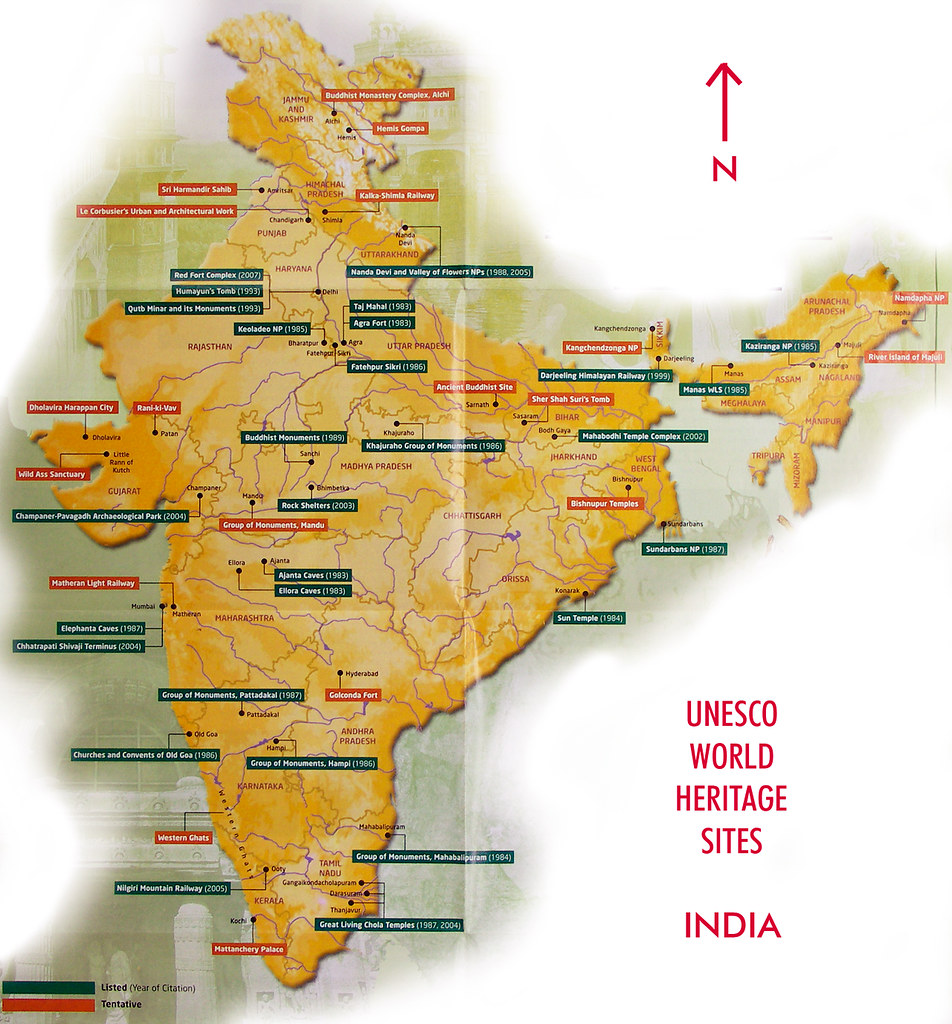
Since the 2020s, the number of countries adopting this type of visa has grown rapidly worldwide. Here are some notable examples by region:
- Europe: Portugal, Spain, Croatia, Estonia, Greece, Malta, and others
- Latin America: Costa Rica, Colombia, Brazil, Mexico, and others
- Asia-Pacific: Indonesia (including Bali), Thailand, Malaysia, and others
- Middle East & Africa: United Arab Emirates (UAE), South Africa, and others
These countries are actively using nomad visas to offset declines in tourism revenue and attract spending from high-earning foreigners. Cities that combine relatively low living costs with solid infrastructure tend to be especially popular among nomads.
What do you need to apply for a digital nomad visa?
While specific requirements vary by country, most programs ask for a similar set of documents:
- Proof of minimum income: Monthly or annual income must meet a certain threshold (roughly $1,000–$3,500 USD per month, depending on the country)
- Proof of foreign income source: Contracts or pay stubs showing that your income comes from an employer or client outside the country you’re applying to
- Health insurance: Valid travel or local health insurance covering the entire stay
- Criminal background check: A clean criminal record certificate issued by your home country
- Proof of accommodation: A lease agreement or confirmed booking
Some countries sweeten the deal with tax incentives—exempting nomads from local income tax for a set period or offering reduced rates—as part of the growing competition to attract remote workers.
What are the benefits and drawbacks of a digital nomad visa?
The benefits are fairly straightforward: you get to legally reside abroad long-term and immerse yourself in local culture, while enjoying the practical perks of a more stable status than a tourist visa—like opening a bank account or signing a lease. Some people even compare tax benefits across countries to build smart tax-saving strategies.
That said, there are a few things to watch out for:
- You may face tax obligations in both your home country and your host country, so it’s important to check whether a double taxation treaty exists between them
- Renewal processes can be complicated once the initial visa period ends
- Some countries still prohibit nomad visa holders from taking up local employment
- Currency fluctuations or rising local prices can drive up your cost of living unexpectedly
Rather than simply picking a trendy destination, it’s worth carefully weighing your income structure, tax situation, and long-term goals to find the country that actually fits your needs.
Frequently Asked Questions (FAQ)
How is a digital nomad visa different from a regular tourist visa?
Tourist visas are limited to short stays for sightseeing purposes and usually prohibit any income-generating activity. Digital nomad visas, on the other hand, are built around the idea of earning income from abroad and allow for longer, legal stays while continuing remote work.
Can I get a local job while on a digital nomad visa?
In most countries, no—nomad visa holders generally aren’t permitted to be employed by local companies. The visa is designed specifically for people earning income from overseas clients or employers.
What if I don’t meet the income requirement—can I still apply?
Generally speaking, no. Most countries treat the minimum income requirement as non-negotiable. That said, the exact threshold and how it’s verified varies by country, and some allow you to combine income with a spouse or family member, so it’s worth checking the specific rules in advance.
Which country do I pay taxes to?
This depends on your length of stay and how tax residency is determined—many countries use the 183-day rule as a benchmark. Check whether a double taxation treaty exists between your home country and your host country, and consult a tax professional if you’re unsure.
What happens once my visa expires?
It depends on the country—some allow renewals, while others require you to switch to a different visa category or reapply after a certain period. Be sure to check the renewal process and conditions before you apply in the first place.