Quick Summary
Because the treadmill belt actively pushes your legs backward, running at the same speed feels easier than running outdoors — and since there’s no wind resistance to fight, you also burn slightly fewer calories. Outdoor running, on the other hand, involves more varied terrain, direction changes, and elevation shifts, engaging your muscles and joints in a wider range of ways. Since both methods have clear strengths and weaknesses, combining them based on your fitness goals and physical condition is the most effective approach.
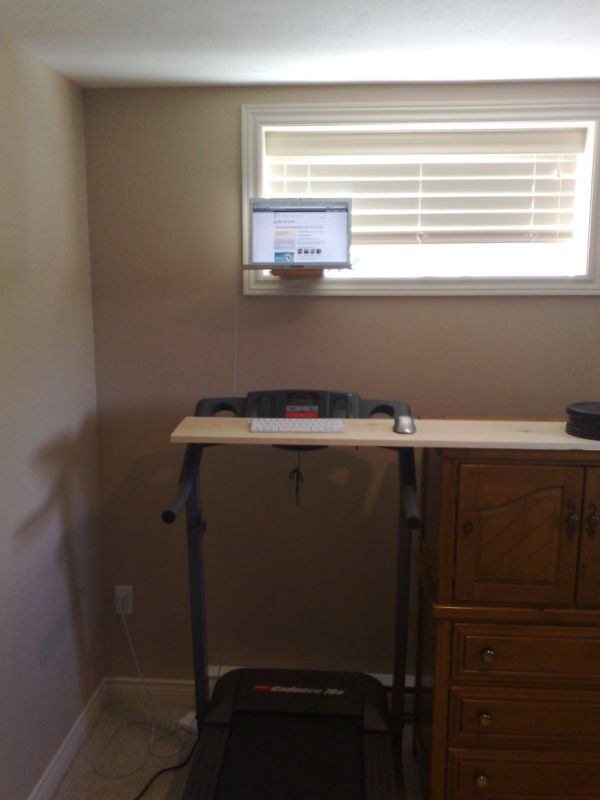
Same Speed, Different Feel: Why Does the Treadmill Feel Easier?
When you run on a treadmill, your feet don’t need to push off the ground the way they do outdoors — instead, the moving belt automatically pulls your legs backward. This is why the speed displayed on a treadmill often feels less demanding than running outside at the same pace.
In fact, multiple exercise physiology studies have found that setting the treadmill incline to 1–2% produces energy expenditure and heart rate levels comparable to outdoor running. That’s because outdoor runners have to overcome wind resistance, deal with uneven surfaces, and generate their own forward propulsion with every step.
- Treadmill: The belt assists your leg movement → the machine takes on part of the propulsion work
- Outdoor running: You push off the ground entirely on your own → more muscle engagement overall

How Does the Strain on Knees and Joints Compare?
A treadmill’s belt and cushioned base absorb shock far better than asphalt or concrete. As a result, the impact on your knees and ankles tends to be lower than with outdoor running, making treadmills a relatively gentler option for people with weaker joints or those recovering from injury.
That said, treadmills tend to produce a repetitive stride length and landing pattern, which means the same areas of the body absorb subtle stress over and over again. Outdoor running, by contrast, constantly varies — dirt paths, asphalt, uphill and downhill stretches — so your muscles and joints get stimulated slightly differently with each step, which can help prevent fatigue from concentrating in one specific area.
- Shock absorption: Treadmill > outdoor asphalt running
- Variety of stimulus: Outdoor running > treadmill
- Ankle and core stability training: Outdoor running on uneven terrain has the edge
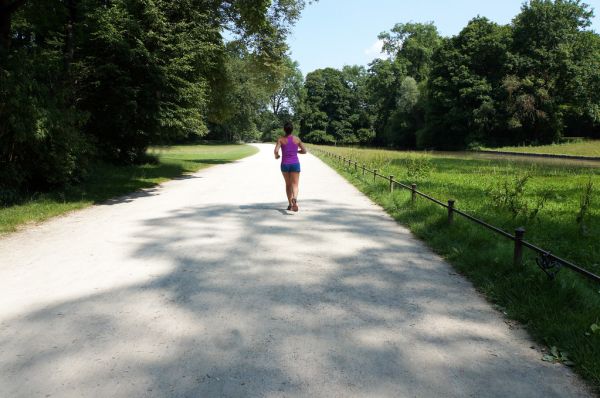
Which Burns More Calories?
When comparing the same speed and duration, outdoor running generally burns slightly more calories. That’s because fighting wind resistance requires extra energy, and constantly adjusting your balance on uneven surfaces engages your core and lower body muscles more.
However, this difference isn’t set in stone. Raising the treadmill incline by 1–2% or using interval or hill-simulation modes can produce calorie burn similar to — or even greater than — outdoor running. In other words, what matters more than where you run is how actively you adjust the intensity and settings.
Why Does Pace Feel Different Between the Two?
Outdoors, factors like traffic lights, hills, wind, and other pedestrians naturally cause your pace to fluctuate. This is why, even at the same fitness level, outdoor times are often slightly slower than treadmill times. It’s worth being cautious not to overestimate your fitness based on treadmill performance alone.
Which One Suits You Better: Treadmill or Outdoor Running?
Both methods have distinct pros and cons, so it’s worth choosing based on your specific situation using the guidelines below.
When the Treadmill Makes More Sense
- When you want to avoid weather factors like fine dust, heatwaves, or cold snaps
- When you want to train at a consistent pace for heart rate management
- When you’re in early injury recovery and need to minimize impact
- When safety is a concern, such as running at night or early morning
When Outdoor Running Makes More Sense
- When you want to train for actual race conditions (like a marathon) and build endurance
- When you want to strengthen ankle and core stability at the same time
- When you want to run longer without getting bored
- When you also want outdoor benefits like vitamin D synthesis
Is Combining Both the Best Strategy?
Many running coaches recommend alternating between treadmill and outdoor running. For example, you might do interval training on the treadmill during the week, unaffected by weather, and save long-distance endurance runs for the outdoors on weekends. This approach lets you offset the weaknesses of each method while minimizing injury risk and maximizing overall results.
The Bottom Line: Is One Really Better Than the Other?
Ultimately, it’s hard to say that either treadmill or outdoor running is definitively superior. Treadmills allow for consistent training in a safe, controlled environment, while outdoor running builds broader real-world physical capability and endurance. The most practical and effective strategy is to combine both methods, tailored to your fitness level, joint health, training goals, and lifestyle.
Frequently Asked Questions (FAQ)
Which burns more calories — treadmill or outdoor running?
Outdoor running generally burns slightly more calories at the same speed due to wind resistance and uneven terrain. However, raising the treadmill incline by about 1–2% can produce a similar calorie burn.
Is it true that treadmills are easier on the knees?
The treadmill’s belt and cushioning absorb shock effectively, which can help reduce strain on the knees. However, since the movement pattern repeats constantly, fatigue can build up in specific areas, so it’s not accurate to say treadmills are unconditionally safer.
Why do treadmill times always seem faster than outdoor times?
The treadmill belt assists your leg movement and there’s no wind resistance, making it easier to maintain higher speeds with the same effort. Outdoors, factors like wind, hills, and waiting at traffic signals naturally slow your pace.
I’m training for a marathon — is treadmill training alone enough?
Treadmills are useful for heart rate management and interval training, but you should definitely combine them with outdoor long-distance training to adapt to actual race conditions like terrain, wind, and pace variation.
Should beginners start with the treadmill or outdoor running?
Beginners with weaker knees or joints may benefit from building a fitness foundation on the treadmill first, where impact is lower, and gradually increasing the share of outdoor running to reduce injury risk over time.