Key takeaway: Customs declarations in Korea generally fall into two categories: overseas direct purchases (e-commerce items) and traveler’s personal belongings. Most direct-purchase items clear customs automatically through the simplified listing process, but a separate declaration is required if you exceed the duty-free limit or import restricted goods. Travelers, meanwhile, must fill out a customs declaration form upon entry or use the voluntary disclosure channel. Below, we break down the procedures and key points for each situation.
What Is a Customs Declaration and Why Does It Matter?
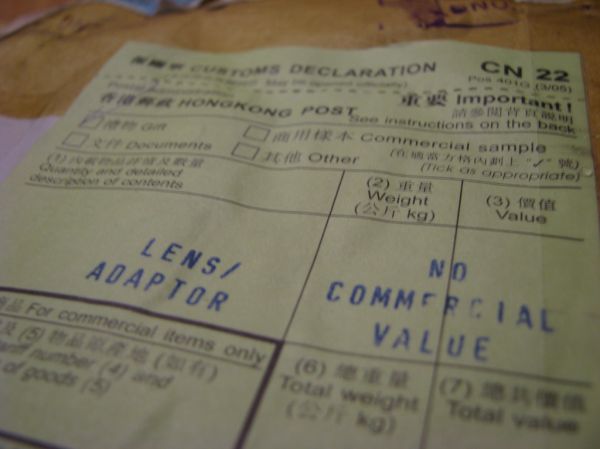
A customs declaration is the process of informing customs authorities about goods brought into the country from abroad and paying any applicable duties or taxes. Whether you’re shopping on an overseas website, returning from a trip with luggage, or relocating internationally, you may be legally required to declare your items under customs law.
Failing to declare can result in penalty surcharges or even seizure of goods, so it’s essential to know in advance whether your situation requires a declaration.
How Do You Declare Customs for Overseas Direct Purchases?
When you buy something from an overseas online store, the courier or express delivery company usually handles customs clearance on your behalf. You rarely need to file a declaration yourself, but there are a few things worth knowing.
- Get a Personal Customs Clearance Code: Register for free at the Korea Customs Service’s UNI-PASS portal (unipass.customs.go.kr) and enter this code when checking out on overseas shopping sites.
- Check if your item qualifies for list-based clearance: Items valued at USD 150 or less (USD 200 or less for U.S.-origin goods) intended for personal use are typically cleared automatically without a separate declaration.
- When a formal import declaration is required: If the item exceeds the duty-free threshold, or falls under regulated categories like food, medicine, or cosmetics, you’ll need to file a full import declaration, submit documentation, and pay the applicable taxes.
When Do Travelers Need to Declare Items at Customs?
As a rule, you must declare your belongings when re-entering the country after traveling abroad. These days, this can be done through a mobile app or automated gate as well as the traditional paper form.
What Exactly Needs to Be Declared?
- Items exceeding the per-person duty-free allowance (currently equivalent to USD 800)
- Alcohol (beyond one bottle or set volume/price limits), cigarettes (beyond 200 sticks), perfume, and other items with their own separate limits
- Prohibited or restricted items under law, such as firearms or narcotics
- Cash or other payment instruments exceeding USD 10,000 in value, whether in foreign currency or Korean won
What’s the Declaration Process?
- Fill out a customs declaration form at the arrival hall, or enter your information in advance using the mobile customs declaration app.
- If you have items to declare, proceed through the “Goods to Declare” lane (red channel).
- If you have nothing to declare, you may use the “Nothing to Declare” lane (green channel)—but be aware that false declarations can result in penalty surcharges.
- Voluntarily declaring your items can sometimes qualify you for reduced duties, so when in doubt, it’s best to declare.
Do Moving Goods or Returning Students Need to Declare Too?
If you’re relocating from abroad or returning home after long-term study overseas, the belongings you bring back are also subject to customs declaration. In this case, you’ll need to file a declaration for household goods (moving import declaration) and prove your residency abroad using documents like flight tickets, visas, or employment certificates. If you lived overseas for six months or more, you may qualify for duty exemptions on household items such as appliances—it’s a good idea to check with the Korea Customs Service call center (dial 125, no area code) before you leave.
What Are the Most Common Mistakes People Make?
- Under-declaring the value of an item to lower duties can lead to penalty surcharges and legal consequences if discovered.
- Gifts must also be declared at their actual market value.
- Many people overlook that combining multiple overseas purchases delivered on the same day can push the total value over the duty-free limit.
- Duty-free allowances for alcohol and tobacco apply only to adults.
Where Can You Find Accurate, Up-to-Date Information?
The most reliable sources are the Korea Customs Service website and the UNI-PASS system. Since duty-free limits and item-specific regulations are updated periodically, it’s wise to check the latest notices right before making a declaration.
Frequently Asked Questions (FAQ)
What is the duty-free limit for overseas direct purchases?
Personal-use items are generally cleared tax-free through the list-based clearance process if valued at USD 150 or less (USD 200 or less for items shipped from the U.S.). Anything above this threshold requires a formal import declaration and payment of customs duties.
How do I get a Personal Customs Clearance Code?
You can obtain one instantly and for free through the Korea Customs Service’s UNI-PASS website (unipass.customs.go.kr) after identity verification. Simply enter this code as your customs clearance information when checking out on overseas shopping sites.
What’s the duty-free allowance for traveler’s belongings?
The basic per-person duty-free limit is equivalent to USD 800. Items exceeding this amount, as well as alcohol, tobacco, and perfume (which have their own separate limits), must be declared and taxed accordingly.
Do I still need to fill out a declaration form if I have nothing to declare?
If you truly have nothing to declare, you can skip the written form and go straight through the “Nothing to Declare” lane (green channel). However, if you actually have declarable items and pass through this lane anyway, you risk penalties such as surcharges.
Can I understate the price of an item to reduce customs duties?
No. Declaring a value lower than the actual purchase price violates customs law and can result in penalty surcharges or seizure of the goods if discovered. Always declare the exact amount you paid.