- Even as smartphone camera technology reaches new heights, sales of and interest in film cameras keep climbing.
- Among teens and twentysomethings, the ‘inconvenience’ and ‘waiting’ that once made film obsolete are now precisely what make it appealing.
- The distinctive colors and textures of film remain nearly impossible to replicate through digital editing.
- A culture of sharing analog aesthetics on social media has fueled film photography’s growing popularity.
We live in an age when a single smartphone can shoot 4K video and edit photos to professional standards. Yet over the past few years, film cameras—once dismissed as outdated technology—have seen a remarkable resurgence in popularity. Prices for used film cameras have climbed, and it’s now a common sight to see young people lining up outside film-developing labs. So why would anyone choose a cumbersome film camera over far more convenient technology?
Why Is Film Making a Comeback Now?
The defining feature of digital photography is its immediacy. You can check the result the instant you take a shot, and if you don’t like it, delete it and try again. But some argue that this very immediacy has cheapened the value of a single photograph.
Film cameras offer the opposite experience. A single roll typically holds only 24 to 36 shots, and seeing the final result requires developing and printing—a process that can take anywhere from a few days to several weeks.
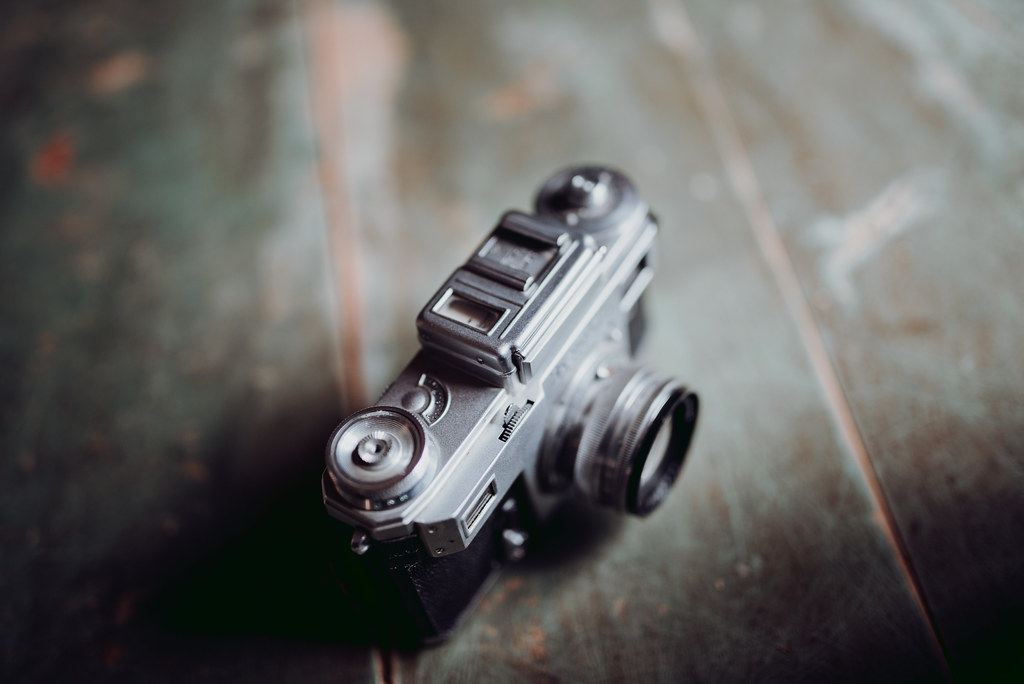
Why Is Gen Z So Drawn to Film Photography?
Why Does Inconvenience Feel Like a Feature, Not a Bug?
What’s striking is that the main consumers of film cameras today are people in their twenties who never experienced the era when film was the standard. For them, film photography is being embraced as an entirely new kind of hobby and creative outlet.
- Because each roll holds a limited number of shots, every frame demands careful thought about composition.
- Not being able to see results right away turns the waiting itself into part of the experience.
- Film has a distinctive grain and color bleed that digital tools struggle to imitate convincingly.
- The heavy reliance on manual controls makes learning photography skills itself a source of enjoyment.
How Are Social Media and Analog Sensibility Intersecting?
Ironically, social media—a thoroughly digital platform—has played a major role in spreading film photography’s popularity. As people share their shots on Instagram and X (formerly Twitter) using hashtags like #filmphotography and #shotonfilm, film’s distinctive aesthetic has become a trend in its own right. It’s no coincidence that more people are now applying film-style filters to photos taken on digital cameras or smartphones, chasing that same look.
What Sets Digital and Film Cameras Apart?
Beyond the intangible ‘feel,’ there are real physical and technical differences between the two mediums.
- How Color Is Captured: Digital sensors convert light into electrical signals, while film records images through a chemical reaction. The subtle color differences this produces are considered one of film’s signature qualities.
- Dynamic Range: Film is often praised for rendering smoother, more natural gradations than digital, particularly in highlight areas.
- Unpredictability of Results: Light leaks, scratches, and color shifts—flaws unique to film—are often embraced as part of its distinctive charm rather than seen as defects.
- Cost Per Shot: The expense of buying and developing film means the cost per photo is clearly higher than with digital.
How Should Beginners Get Started With Film?
If you’re curious about trying film photography, there are a few things worth considering.
- Choose a Beginner-Friendly Camera: Starting with a compact film camera that has automatic exposure can lower the initial learning curve.
- Learn the Different Film Types: Factors like ISO sensitivity and color versus black-and-white film dramatically change the mood of your final images.
- Find a Local Lab: It’s worth checking in advance whether there’s a photo shop near you that develops film.
- Budget for the Costs: Between the film itself, developing, and scanning, expenses add up quickly, so plan accordingly.
A film camera isn’t a tool for quickly producing flawless images—it’s closer to a hobby built around embracing an unpredictable process. At a time when digital technology has advanced to an extraordinary degree, the fact that people are turning back to analog methods suggests that convenience alone doesn’t guarantee satisfaction.
Frequently Asked Questions (FAQ)
Does film produce better image quality than digital cameras?
In terms of raw resolution, the latest digital cameras often outperform film. However, film has its own distinct appeal when it comes to color, tonal gradation, and grain, making a simple quality comparison difficult.
How much does it cost to get started with film photography?
Entry-level used cameras can be found starting around 50,000 won, while a single roll of film—including developing and scanning—typically costs between 15,000 and 25,000 won. Ongoing costs depend on how often you shoot.
How long does film developing take?
This varies by lab, but it usually takes anywhere from same-day to 3-4 days. If you send film in by mail, it can take one to two weeks.
Is film photography beginner-friendly?
Compact film cameras with automatic exposure are easy enough for beginners to use. However, cameras with more manual controls require some basic understanding of exposure and focus.
Where can I buy film, and how should I store it?
Film is available through online retailers and specialty camera shops. To preserve its quality, keep it away from direct sunlight in a cool, dry place—refrigeration is ideal if possible.