Quick summary: Most “things to do in Jeonju” lists hand you the same four stops — Hanok Village, a hanbok photo, a bowl of bibimbap, done — and then put you on a train back to Seoul before dinner. That’s the mistake. Jeonju’s best hours start around 6pm, right when the day-trip buses pull out and the Nambu Market night stalls start lighting up. This guide is built around that timing, not around a checklist.
What should your first hour in Jeonju Hanok Village actually look like?
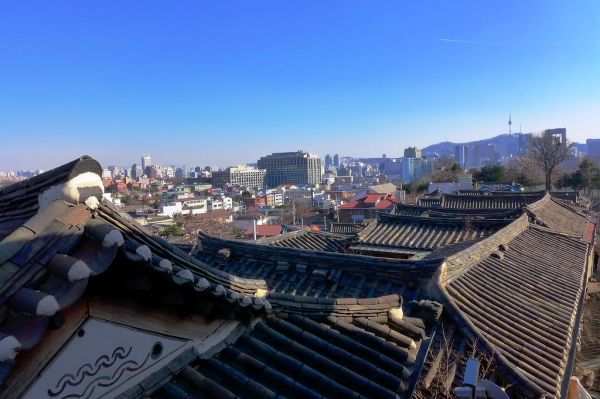
Jeonju Hanok Village is a preserved neighborhood of several hundred traditional hanok houses clustered near Omokdae and Pungnammun Gate, and most of it costs nothing to simply walk through. Budget around 3–4 hours if you’re sticking to the highlights, or a full day if you want to duck into the small museums and cafés tucked down the side alleys.
The mistake almost every first-timer makes: trying to drive straight into the village core. The streets here are narrow, packed with pedestrians, and parking is genuinely scarce — you’ll circle for a long while and probably end up blocking foot traffic in the process. Locals and repeat visitors park at one of the public lots on the edge of the district and walk in instead. It costs you five or ten extra minutes, but it saves the stress, and honestly, walking in through Pungnammun Gate makes for a far better first impression than arriving by car anyway.
Sequencing tip: get there early on a weekday morning if your schedule allows it. On spring and fall weekends, the main lanes turn into a slow shuffle of hanbok-clad visitors all photographing the same rooftop angle. A weekday morning gets you the same view with a fraction of the crowd — and a much better shot.
Is renting a hanbok in Jeonju actually worth it?
Yes — more so here than almost anywhere else in Korea, because the whole village was practically built as a backdrop for it. Rental shops cluster right around the entrance, and a few hours typically runs somewhere in the ₩10,000–₩20,000 range, cheap enough that it’s barely a financial decision either way.
The more practical reason to bother: several sights inside the village, including Gyeonggijeon Shrine, waive their entry fee for visitors wearing hanbok. So the rental isn’t just a costume for photos — it can effectively pay for itself if you were planning to go inside Gyeonggijeon anyway.
- Do it if: you’re visiting Gyeonggijeon, you want the classic hanok-alley photos, or you’re traveling with kids who’ll genuinely enjoy wearing one.
- Skip it if: you’re short on time — sizing and changing eats into your morning — or it’s a hot summer afternoon, when the extra layers get uncomfortable fast over hours of walking.
What is Gyeonggijeon Shrine, and does it deserve your time?
Gyeonggijeon Shrine houses a portrait of the founder of the Joseon dynasty and is one of the few sights in the village that actually charges admission — usually a modest fee, roughly ₩3,000. It’s open approximately 9am to 6pm, later during summer.
It’s easy to wave this off as “just another shrine” after you’ve already seen a few gates and courtyards, but it’s worth the short detour: the grounds are noticeably quieter than the main alleys outside, shaded by old pine trees, and give you a sense of why this particular city mattered to the Joseon dynasty in the first place — this isn’t a rebuilt theme-park version of history, it’s tied to the real royal lineage. If you rented a hanbok, bring it here; entry is often waived for hanbok wearers.
Should you also see Omokdae?
Omokdae is a short uphill walk from the main lanes and rewards you with an elevated view over a sea of hanok roofs — genuinely one of the better photo spots in the whole village, and far less crowded than street level simply because most day-trippers don’t bother with the climb.
Where should you actually eat bibimbap in Jeonju?
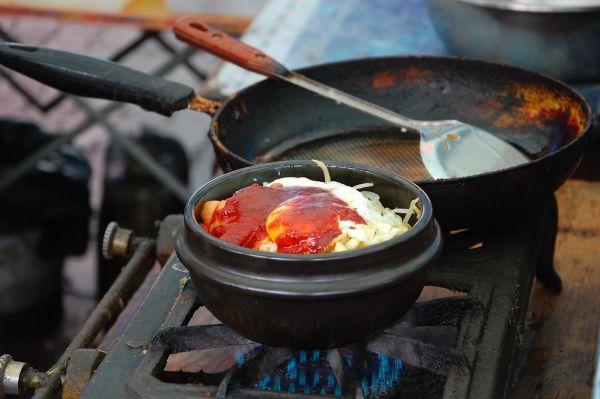
Jeonju is widely considered the birthplace of bibimbap, so eating a mediocre bowl here is a genuinely wasted opportunity. Long-running local restaurants such as Hankookjip have built their reputations specifically on this dish, and a bowl generally costs somewhere around ₩10,000–₩15,000 — not much more than a generic version anywhere else in Korea, for a result that’s noticeably better.
What actually sets Jeonju’s version apart: more banchan crowded onto the table, a raw egg option alongside the usual fried one, and a more deliberate balance of sesame oil and gochujang that these restaurants have been refining for generations rather than improvising for tourists. This isn’t the place to settle for whatever’s closest on the tourist strip — walk the extra few minutes to one of the places locals actually recommend.
Why should you leave the Hanok Village before dinner?
By mid-afternoon, the hanok alleys start to feel repetitive — same rooflines, same souvenir shops, same crowd shuffling past you twice. This is exactly the point where most visitors either give up and head back to Seoul, or stay and get diminishing returns from a district that rewards being seen once, thoroughly, rather than circled a second and third time.
Instead, walk over to the café and shopping street near Jeonju’s university district, a modern café and shopping strip that works as a genuine change of pace. It’s not a “tourist attraction” in the usual sense, and that’s exactly the point — after a few hours of hanbok photos and traditional architecture, this stretch of contemporary cafés and small shops shows you how Jeonju actually functions as a university city, not just a preserved postcard. It also breaks the day up so you’re not hanok-fatigued by the time evening rolls around.
Timing note: many of the small hanok-style guesthouses and shops inside the village close relatively early, often by 6–8pm. If you’re staying overnight in the village or want to browse its shops, do it before heading to the university café street or the night market — don’t save village shopping for after dinner, or you’ll find the shutters already down.
Why is Friday or Saturday night the real highlight, not the daytime village walk?
This is the crux of the whole trip. Nambu Market (Nambu Sijang), and specifically its night-market section sometimes called the “Cheongnyeon Mall” (Youth Mall), only runs Friday and Saturday evenings. If your visit doesn’t line up with one of those two nights, you’re skipping what a lot of repeat visitors consider the actual best part of Jeonju.
What you’re actually going for:
- Mayak gimbap — small, addictive seaweed rice rolls (the name loosely translates to “drug” gimbap, as in you won’t be able to stop at one), usually sold as a set for around ₩3,000–₩4,000.
- Makgeolli stalls and street-food vendors crammed into the covered market alleys, with a rougher, far less staged atmosphere than the daytime hanok village.
- Street performances and a noticeably younger, more local crowd, since this section was built for a youth-market vibe rather than for tour groups.
If you can only lock in one evening in Jeonju, make it a Friday or Saturday. It’s the single scheduling decision that most changes what kind of trip you end up having.
When is the best time of year to visit Jeonju?
Spring (April–May) and fall (October) are the most popular stretches, thanks to mild weather and cherry blossoms or autumn color around the village and the nearby hills. The trade-off is crowding — Hanok Village on a spring or fall weekend can feel less like a stroll and more like a queue with scenery.
The workaround: visit on a weekday morning even during peak season. You get the same weather and the same scenery with a fraction of the foot traffic, and by the time weekend crowds show up in the afternoon, you’ve already covered the main sights and can retreat to PNU Street or a café to wait them out.
If your dates are flexible and the night market is the priority, build your trip around a Friday or Saturday regardless of season — that detail matters more to how the trip feels than which month you pick.
How much time do you actually need in Jeonju?
- 3–4 hours: enough for a focused walk through Hanok Village, Gyeonggijeon, and a bibimbap lunch — but you’ll miss PNU Street and the night market entirely.
- Full day (arrive morning, leave late evening or overnight): the version this guide is arguing for — village and hanbok in the morning, bibimbap for lunch, PNU Street in the afternoon, Nambu Market at night if it lands on a Friday or Saturday.
- Overnight in a hanok guesthouse: the best option if your schedule allows it. You get the village at dawn before anyone else has arrived, plus the full night market experience without racing to catch a last train.
자주 묻는 질문 (FAQ)
Is Jeonju worth it as a day trip from Seoul?
Yes, especially by KTX or SRT, which gets you there in roughly 1.5–2 hours. Just be aware that a rushed day trip typically means leaving before the Nambu Market night market starts, so if your dates allow a Friday or Saturday visit, consider staying later or overnighting instead.
How many days do you need in Jeonju?
One full day covers the essentials — Hanok Village, Gyeonggijeon, bibimbap, and PNU Street. Two days, or one day plus an overnight stay, lets you add the Friday/Saturday night market at Nambu Market and explore at a slower pace without feeling rushed.
Is Jeonju Hanok Village free to visit?
Walking through the village itself is free. Individual sights like Gyeonggijeon Shrine charge a small entry fee (roughly ₩3,000), though this is often waived if you’re wearing a rented hanbok.
Can you combine Jeonju with Gyeongju or Busan on the same trip?
Jeonju sits between Seoul and the southern coast, so it works well as a stopover if you’re routing toward Gyeongju or Busan rather than doing a strict round trip from Seoul. Check train and bus connections directly, since routes between smaller cities can require a transfer.
What’s the best time of day to visit Jeonju Hanok Village?
Early morning on a weekday is the quietest and most photogenic window, especially during peak spring and fall seasons. If you can stay until evening on a Friday or Saturday, the Nambu Market night market is worth sticking around for.