Summary: You don’t need fluent Korean to have a great trip, but knowing a handful of the right words changes everything—from getting a smile at a corner store to actually understanding your restaurant order. This guide skips the textbook phrasebook approach and focuses on the specific words and short phrases tourists actually use, why they matter, and how to say them so people understand you the first time.
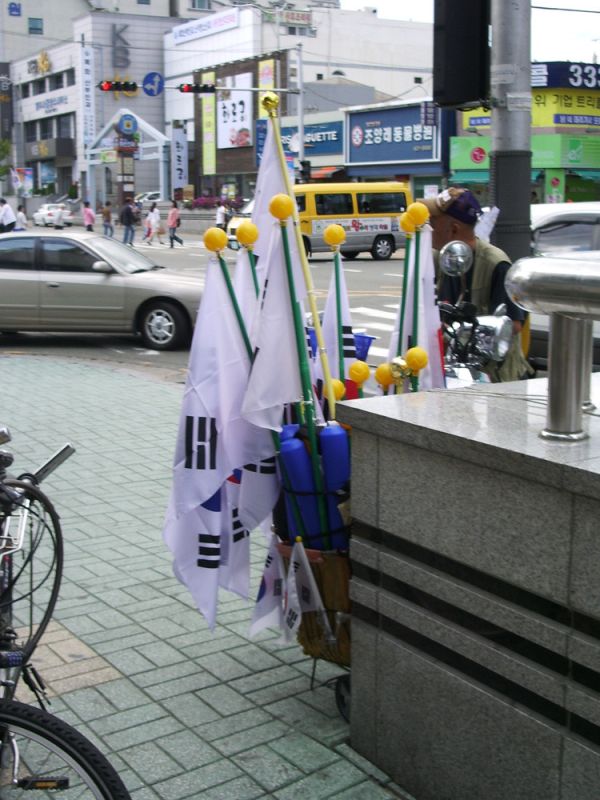
Why bother learning Korean words if everyone uses translation apps?
Apps are fine for reading a menu board or figuring out which subway exit you need. They fall apart the moment a real conversation starts moving. Picture a busy tteokbokki cart at Gwangjang Market: the vendor is juggling three orders, there’s a line behind you, and you’re fumbling to type into your phone while she waits. Saying “igeo juseyo” (this one, please) while pointing takes two seconds and gets you fed. Holding up a screen takes twenty and gets you a slightly impatient look.
There’s also a coverage problem. Step outside Myeongdong or Hongdae and English menus thin out fast—neighborhood restaurants, traditional markets, and local buses in smaller cities often run on Korean only. In those places, five or six memorized words are the difference between eating what you actually wanted and pointing at random and hoping.
How much Korean do you actually need to know?
Forget grammar entirely. What you want is a small toolkit of standalone words and fixed phrases, each one built for one job. Most tourists get through a trip fine with:
- A greeting and a thank-you (used constantly, everywhere)
- A handful of food and drink words (for ordering and dietary needs)
- Numbers from one to ten (for quantities, prices, and phone queues)
- Directional words (left, right, straight, stop)
- A couple of emergency phrases (help, hospital, police)
That’s genuinely it. Drop these into your trip and the shift in how smoothly things go is noticeable within the first day.
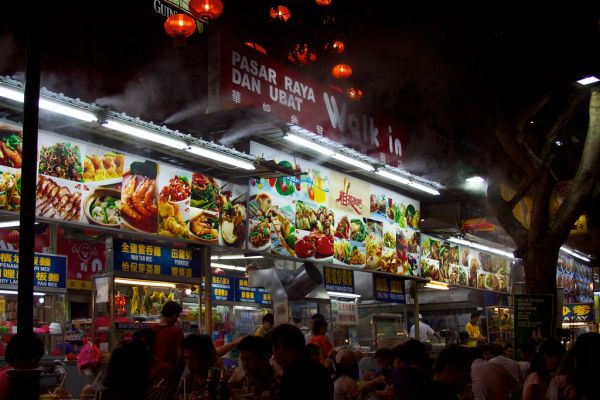
What are the essential greetings and polite words?
Korean shifts its verb endings depending on who you’re addressing, which is the part that scares off a lot of learners. As a tourist, though, you can park yourself in the polite form for the entire trip and never once sound rude—so ignore the casual versions you might pick up from K-dramas.
- Annyeonghaseyo (안녕하세요) — hello. Works for shopkeepers, hotel staff, taxi drivers, basically anyone you meet.
- Gamsahamnida (감사합니다) — thank you, formal. Default choice with strangers, staff, and anyone older than you.
- Gomawoyo (고마워요) — thank you, a touch softer. Fine with a barista who just handed you your coffee.
- Joesonghamnida (죄송합니다) — sorry / excuse me. Good for bumping shoulders on the subway or squeezing past someone.
- Ne (네) — yes, pronounced closer to “neh” than “nay.”
- Aniyo (아니요) — no.
- Juseyo (주세요) — please give me. This is the workhorse of the whole language for visitors—tack it onto almost any noun and you’ve made a polite request.
Juseyo alone will carry you further than any other word on this list. Point at a menu photo and say “igeo juseyo” (this one, please) and you’ve ordered dinner without knowing a single dish name.
Do Koreans expect tourists to bow?
A small head nod while greeting or thanking someone reads as polite and warm—that’s plenty. Full formal bowing is reserved for specific situations Koreans themselves navigate carefully, not something visitors are expected to perform. Staff in Seoul and Busan deal with international visitors all day and care much more about a friendly tone than textbook manners.

How do you order food and drinks in Korean?
Restaurants are where a little Korean pays off the most, because English menus are unreliable even in neighborhoods full of tourists. A short list of words covers nearly every ordering situation you’ll run into:
- Yeogiyo (여기요) — literally “over here,” the standard way to get a server’s attention. Servers in Korea don’t hover or check in every few minutes, so calling out is completely normal, not rude.
- Menu-pan (메뉴판) — menu. Pair with juseyo to ask for one.
- Mul (물) — water. Most restaurants give it free, and asking for a refill (“mul juseyo”) is common and expected.
- Maepda (맵다) → an maewoyo? (안 매워요?) — “is this not spicy?” Genuinely worth memorizing since dishes like tteokbokki or jjigae can run hotter than visitors expect.
- Gyesanhaejuseyo (계산해주세요) — check, please.
- Pojang doeyo? (포장 되나요?) — can I get this to go?
A typical restaurant visit, start to finish:
- Walk in, say annyeonghaseyo to whoever greets you.
- Sit down—many casual places are seat-yourself—then call yeogiyo when you’re ready to order.
- Point at a photo or item and say igeo juseyo, or name the dish if you know it (bibimbap, samgyeopsal, and kimchi jjigae are safe bets almost anywhere).
- If the spice level worries you, ask an maewoyo? before committing.
- When you’re done, say gyesanhaejuseyo, or just carry your receipt to the counter—plenty of casual spots run on pay-at-the-register systems rather than table service.
What about dietary restrictions?
This is where things get genuinely tricky. A lot of dishes that look vegetarian are cooked in anchovy or beef-based stock, or seasoned with fish sauce, without any obvious sign of it. If you have allergies or strict dietary needs, don’t rely on a spoken phrase alone—write down something like “gogi an meogeoyo” (I don’t eat meat) or use a translated allergy card and hand it over. Spoken explanations get lost fast in a loud kitchen during a lunch rush.
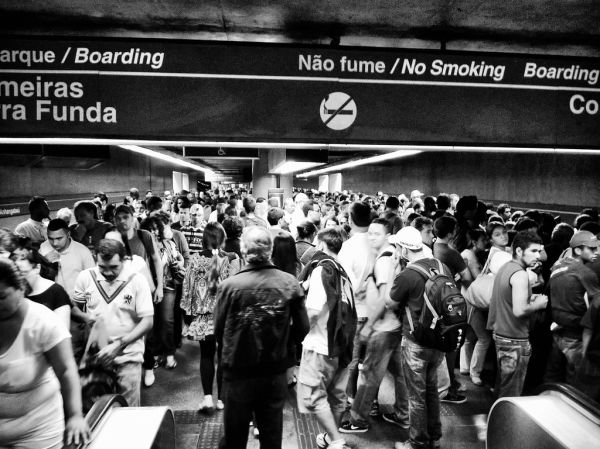
What words help with directions and getting around?
You’ll rarely need to give directions yourself, but understanding or asking simple ones matters a lot with taxi drivers and whenever you get turned around near a subway exit.
- Oenjjok (왼쪽) — left
- Oreunjjok (오른쪽) — right
- Jikjin (직진) — straight ahead
- Yeogiseo (여기서) — right here, useful in a taxi: “yeogiseo seuwo juseyo” (please stop here)
- Eodiyeyo? (어디예요?) — where is it? Combine with a place: “hwajangsil eodiyeyo?” (where’s the restroom?)
- Hwajangsil (화장실) — restroom. Probably the most searched-for word by tourists right after hello and thank-you, and for good reason.
One habit worth building before your trip: screenshot your destination in Korean from a map app before you get in a taxi. Plenty of drivers, especially older ones, aren’t confident sounding out an English address, and a screenshot skips the whole conversation.
How do Korean numbers actually work for tourists?
Korean runs two separate number systems—native Korean and Sino-Korean, borrowed centuries ago from Chinese—and which one applies depends entirely on what you’re counting. It trips up almost everyone at first, so here’s the shortcut version:
- Sino-Korean numbers (il, i, sam, sa, o…) show up for money, phone numbers, dates, and addresses.
- Native Korean numbers (hana, dul, set, net, daseot…) are used for counting objects, stating age, and telling time in hours.
As a visitor, you’ll lean on Sino-Korean far more often—it’s what you need to read a price tag or give your number for a café stamp card. If you only have room to memorize one system before your flight, make it this one.
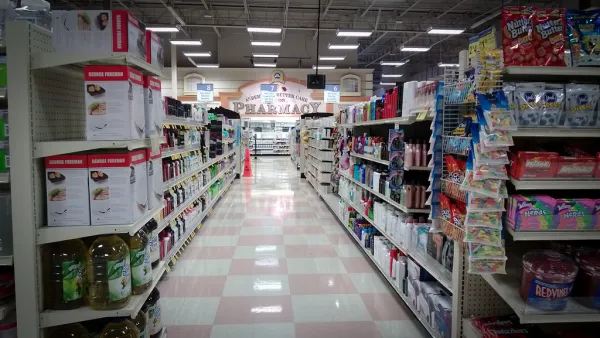
What should you know for shopping and small emergencies?
Markets and convenience stores are where basic Korean gets used the most casually and, honestly, the most fun. A few extra words round things out:
- Eolmayeyo? (얼마예요?) — how much is this?
- Kkakka juseyo (깎아 주세요) — please give me a discount. This works at Namdaemun or a neighborhood market stall; don’t try it at a chain store or department store, where prices are fixed.
- Bissayo (비싸요) — “it’s expensive,” said with a smile and half-joking. At a market, this can genuinely shave a bit off the price.
- Jom (좀) — a little / a bit. Drop it into almost any request to soften it, the way “just” softens a sentence in English.
For emergencies, keep these tucked away even if you never end up needing them:
- Dowajuseyo (도와주세요) — help me, please.
- Byeongwon (병원) — hospital.
- Gyeongchal (경찰) — police.
- Apayo (아파요) — it hurts / I’m in pain. Point at the body part in question and say this—simple, but it works.
What are the most common pronunciation mistakes tourists make?
Romanization hides a few traps that catch almost every beginner:
- The letter 어 (“eo”) isn’t “ee-oh”—it’s a flatter, more open “uh,” closer to the vowel in “bus” than to anything with an “oh” sound in it.
- Tensed consonants like ㄲ, ㄸ, and ㅃ (often romanized as “kk,” “tt,” “pp”) need to sound clipped and tight, almost held back, not drawn out the way a double letter in English would suggest.
- Juseyo comes out more like “joo-seh-yo,” said briskly, with the final syllable clipped short rather than stretched out.
None of this needs to be perfect. Anyone working in a spot that sees regular foot traffic from tourists is used to accented Korean, and context—pointing at a menu, holding up fingers for quantity—fills in whatever the pronunciation doesn’t.
A quick checklist: 10 words to learn before you land
- Annyeonghaseyo — hello
- Gamsahamnida — thank you
- Juseyo — please give me
- Yeogiyo — excuse me / over here (to call staff)
- Eolmayeyo? — how much?
- Hwajangsil — restroom
- Mul — water
- Ne / Aniyo — yes / no
- Joesonghamnida — sorry, excuse me
- Dowajuseyo — help me, please
Save these in a note on your phone before you land, or better, jot them on an actual paper card. Phone batteries have a habit of dying at the worst possible moment—usually right when you’re trying to ask where the restroom is in a crowded market.
자주 묻는 질문 (FAQ)
Do I need to learn Hangul to use these basic Korean words?
No—romanized pronunciation is enough for speaking. Reading Hangul helps a lot with menus and signs, but you can get through most tourist interactions using spoken phrases without ever reading a Korean character.
Will Korean people be annoyed if I mispronounce words?
Generally no. In tourist-heavy areas especially, locals are used to accented Korean and appreciate the attempt. Mispronunciation might get a polite correction or a smile, not annoyance.
Is English widely understood in Seoul and Busan?
In major hotels, airports, and tourist attractions, yes, to a workable degree. But smaller restaurants, local markets, and older taxi drivers often have limited English, which is exactly where a few Korean words make the biggest practical difference.
What’s the single most useful Korean word for tourists?
Juseyo (please give me) is arguably the most versatile, since you can attach it to almost any noun or point at an item and use it to make a polite request without needing full sentences.
Should I use a translation app instead of memorizing words?
Use both. Apps are great for reading menus, signs, or longer explanations, but a handful of memorized words speed up quick daily interactions—greetings, thank-yous, ordering—where pulling out a phone feels slow or impersonal.