Quick summary: Most guides sell Gangneung as a single-beach day trip from Seoul — hop the KTX, sit at one café, take a photo, go home. That misses what actually makes the place worth visiting. The real draw of a Gangneung coastal road trip is the sequence of short, ten-to-twenty-minute drives linking Anmok, Gyeongpo, Ojukheon, and Jeongdongjin, with Coastal Highway 7 running north toward Sokcho as the extended version for anyone with an extra day. This guide is built around that logic: take the train into Gangneung, rent a car once you’re there, and treat the city as a base camp rather than a single destination.
What do most Gangneung guides get wrong?
They treat Gangneung like a checklist item: KTX from Seoul, one photo at Anmok Beach, a stroll along Gyeongpo if there’s time, then back on the train. As a half-day stopover, that’s fine. As a road trip, it isn’t one — and calling it that sets the wrong expectations before you’ve even left Seoul.
What makes Gangneung genuinely good for self-driving isn’t any single attraction — it’s the geography. The coffee street, the lake loop, the hanok grounds where a famous scholar and painter were born, the sunrise train station, the fishing villages further up the coast — all of it sits within roughly a twenty-minute drive of the last stop, but almost none of it lines up on a single walking path or bus route. Skip the car and you’re stuck picking one or two spots and paying taxi fares that add up fast. Bring one, and the whole coastline turns into a loop you assemble yourself, on your own schedule.
Do you actually need to rent a car for this trip?
Short answer: yes, if you want the trip to feel like more than a café visit with a train ride attached. Here’s the honest trade-off:
- KTX from Seoul (Cheongnyangni or Seoul Station) to Gangneung takes roughly 1.5–2 hours, with one-way fares typically landing around ₩27,000–30,000 (about $20–23). This is genuinely the fastest way in — driving the whole way yourself just adds highway hours for no real payoff, since the scenic part of the trip doesn’t start until you’re already in Gangneung.
- Renting a car once you’ve arrived is what nearly every repeat visitor ends up doing. Coastal buses run on a loose schedule at best, and a lot of the best stops — small pull-offs along Highway 7, cafés wedged between Anmok and Jeongdongjin — were never built with a bus stop in mind.
So the winning combination isn’t “drive the whole way” or “stay on transit the whole way” — it’s train in, car out. Speed on the long leg, flexibility on the part of the trip that actually rewards it.

How should you string the stops together?
This is where most itineraries fall apart — they pick one anchor, usually Anmok, and build an entire day around it. Think instead of Gangneung as four short stops connected by short drives, each worth somewhere between thirty minutes and two hours, not a full day apiece.
Anmok Beach Coffee Street — the anchor, but not the whole trip
Anmok Beach Coffee Street (안목해변 커피거리) earns its reputation — dozens of oceanfront cafés with floor-to-ceiling windows facing straight out at the East Sea, coffee typically running ₩5,000–8,000 (about $4–6). The mistake is parking yourself there for the whole visit. Go early morning or right around sunset to dodge the weekend crush, treat it as a 45-minute stop with a great view, and then get back in the car.
Gyeongpo Beach and the lake loop
Gyeongpo Beach is Gangneung’s biggest and busiest, backed by Gyeongpo Lake, which has a flat, easy loop path (roughly 4 km — call it an hour on foot, faster on a rental bike). July and August bring swimming crowds and beach festivals; spring and fall are quieter and, honestly, more pleasant for the lake walk itself, since summer humidity makes the full loop feel longer than it is.
Ojukheon House — the stop people skip and shouldn’t
Ojukheon House, birthplace of the scholar Yi I and the painter Shin Saimdang, is a short hop from Gyeongpo and gets skipped constantly for the crime of not being coastal. That’s exactly its value — a quiet hanok and garden complex that breaks the beach-café-beach rhythm before it gets monotonous. Entry runs roughly ₩3,000–5,000 (about $2–4), open approximately 9 AM to 6 PM, with shorter winter hours.
What’s the best route north from Gangneung?
If you’ve got more than a day, Coastal Highway 7 (동해대로) is the reason to hang onto the rental car past Gangneung itself. It tracks the shoreline north toward Sokcho, with pull-offs at small fishing villages that don’t appear on any bus schedule and probably never will. Driven straight through, the Gangneung–Sokcho stretch takes roughly 1–1.5 hours — but speed isn’t really the point here. The inland expressway is faster; Highway 7 is deliberately slower, because the sea views and the village pull-offs are the whole reason to choose it over the expressway in the first place. Need to just get to Sokcho? Take the expressway. Want the actual road trip? Take Highway 7 and build in an extra hour or two.
Is Jeongdongjin worth the early wake-up?
Jeongdongjin Station is famous as one of the world’s closest train stations to the sea, and it’s Korea’s default pilgrimage spot for New Year’s sunrise. If sunrise is the point of your visit, arrive well before dawn — winter sunrise lands around 7:00–7:30 AM, and on January 1st the crowds and parking turn genuinely chaotic, so err toward arriving an hour early rather than fifteen minutes early. Outside the New Year’s rush, though, Jeongdongjin is a quiet, slightly odd little stop worth a detour any time of year, just for the strangeness of a train platform sitting almost on the sand.
When is the best time for a Gangneung coastal road trip?
- Late spring (May) or early autumn (September–October): the sweet spot — mild weather, manageable crowds, clear visibility along Highway 7, and Anmok cafés without a line out the door.
- Summer (July–August): Gyeongpo Beach at its liveliest, with festivals and swimming — great if that’s the trip you want, less great if you’re after quiet coastal driving, since the humidity and traffic both spike.
- Winter: biting sea wind makes café-hopping a much shorter activity, but it’s the one season worth the discomfort for sunrise at Jeongdongjin, provided you dress for it properly — this is the clearest case of trading general comfort for one specific payoff.
What should a realistic one-day vs two-day route look like?
One day (car from Gangneung, no Sokcho)
- Morning coffee at Anmok Beach Coffee Street before the crowds arrive
- Short drive to Gyeongpo Beach and a partial lake loop
- Ojukheon House for a change of pace
- Lunch at Chodang Sundubu Village
- Late afternoon at Jeongdongjin, timed for sunset instead of sunrise
Two days (adds the Highway 7 push north)
Same first day, but stay overnight in Gangneung, then leave early the second morning and take Highway 7 slowly toward Sokcho, pulling off at whichever fishing villages catch your eye instead of chasing a fixed list. This is the version that actually earns the name “road trip” — the one-day version is really more of a coastal day loop with good branding.
What food should you actually build stops around?
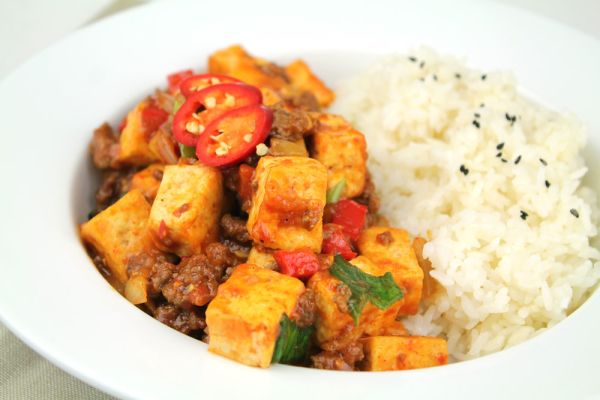
Coffee at Anmok is the obvious photo op, but the meal worth routing your day around is at Chodang Sundubu Village: a soft, seawater-brined tofu set meal, typically ₩10,000–15,000 (about $8–12) per person. It’s a distinctly Gangneung specialty — the tofu is set with seawater instead of the usual brine, which gives it a silkier, more delicate texture you won’t get quite the same way elsewhere in Korea. Slot it in as lunch between Gyeongpo and Jeongdongjin rather than treating it as a separate errand; it sits close enough to both that it barely adds driving time to the day.
The real mistake to avoid
If there’s one thing worth repeating: don’t rush to a single big attraction and call it a day. The whole appeal of a Gangneung coastal road trip is the accumulation of small stops connected by short, scenic drives — Anmok’s coffee, Gyeongpo’s lake, Ojukheon’s quiet garden, Chodang’s tofu, Jeongdongjin’s platform by the sea. None of these alone justifies a special trip from Seoul. Strung together with a rental car, though, they add up to one of the more satisfying short road trips in the country.
자주 묻는 질문 (FAQ)
Do I need a car for a Gangneung coastal road trip, or is public transit enough?
Public transit gets you from Seoul to Gangneung efficiently via KTX, but once you’re there, a rental car makes a real difference. Coastal buses run infrequently, and many of the best cafés and viewpoints sit between towns rather than directly on a bus route.
How long does the drive from Gangneung to Sokcho take along the coast?
Via Coastal Highway 7, the Gangneung–Sokcho stretch takes about 1–1.5 hours without stops, though most people drive it slower on purpose to take in the sea views and fishing-village pull-offs along the way.
What’s the best time of year for this road trip?
Late spring (May) or early autumn (September–October) offer the best balance of mild weather and manageable crowds. Summer suits swimming and festivals at Gyeongpo Beach but gets humid and busy; winter is colder but rewarding for sunrise-watching at Jeongdongjin Station.
Is Gangneung doable as a single day trip from Seoul?
Yes, but treating it as a rushed one-stop trip misses most of its appeal. A single day works better as a loop hitting Anmok, Gyeongpo, Ojukheon, and Jeongdongjin rather than spending the whole visit at one beach or café.
What should I eat in Gangneung besides the Anmok cafés?
Try the sundubu (soft tofu) set meal at Chodang Sundubu Village, a Gangneung specialty made with seawater-brined tofu that comes out noticeably silkier than the tofu dishes you’ll find elsewhere in Korea.