Summary: Search “how to eat Korean side dishes” and you’ll get the same chopstick-manners checklist every time — don’t dig straight into the shared plate, take small bites. All true, and all beside the point. What actually trips up first-timers in Seoul has nothing to do with manners and everything to do with logistics: when does a dish actually get refilled, what do you say to make it happen, and why does asking for seconds on everything mark you as a rookie instantly. This is the workflow nobody writes down, because the people writing the guides usually learned it as kids, not as guests.
What Do Most Guides Get Wrong About Eating Korean Side Dishes?
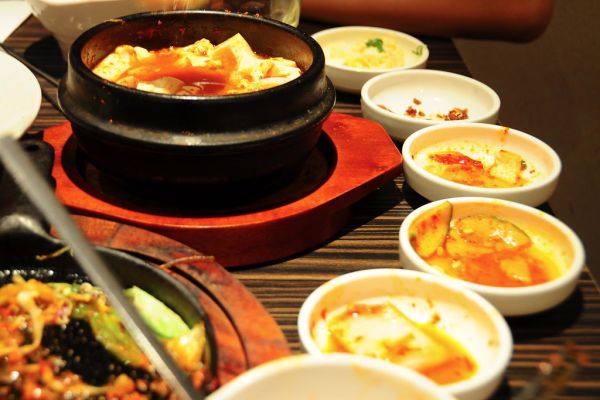
Open ten articles on banchan and you’ll get ten versions of the same museum tour: here’s what fermentation means, here’s the difference between a braised dish and a seasoned one, here’s how to hold your chopsticks. None of that is wrong, but none of it explains why you’re sitting at a table in Hongdae watching your dish of radish kimchi sit empty for ten minutes while nobody refills it. That’s the actual friction point — figuring out the unwritten rules of the refill economy. Korean restaurants run on a quiet understanding: banchan are shared, and often topped up for free, but only as long as diners don’t treat it like a buffet. Nobody explains this on arrival, and most English-language guides skip it too, probably because whoever wrote them never had to sit there wondering if it was rude to ask.
How Many Banchan Should You Expect at a Korean Meal?
There’s no fixed count, and that’s intentional — it tracks with how much you’re paying and how formal the place is. Grab a quick bowl of kalguksu at a counter near a subway station and you might get just two dishes, maybe pickled radish and a scoop of kimchi, nothing more. A mid-range spot — Korean BBQ, a home-style baekban (백반) place — tends to set down somewhere in the range of six to eight: japchae, braised potatoes, a bean sprout salad, seasoned spinach, and so on. A proper hanjeongsik (한정식) course meal, the kind built to showcase a region’s specialties, can sprawl into a dozen-plus dishes that cover the entire table, sometimes requiring a second table just for the banchan.
- Casual counters: typically 2–4 banchan
- Standard sit-down restaurants: roughly 5–8 banchan
- Formal hanjeongsik or special-occasion meals: a dozen or more, sometimes considerably more
If you sit down at a casual noodle shop and only get three small dishes, don’t read that as a stingy kitchen — you just ordered from the category of restaurant that isn’t built around banchan volume in the first place.
What’s the Right Way to Take Banchan From the Shared Plate?
Banchan are communal by design — the same small dish of kimchi or japchae gets passed around the whole table, which is exactly why technique matters more here than it would with food that’s only yours.
- Move a portion onto your own plate or rice with your chopsticks or spoon before eating, rather than going fork-first into the shared dish.
- Keep each pass modest — a few strands of japchae, two or three slices of kimchi — so the dish survives long enough to reach the last person at the table.
- No serving spoon in the dish? Using your own chopsticks is still fine, just don’t go back in with chopsticks that have already touched your mouth.
This isn’t about performing good manners for strangers. At a table of four or six, one person scooping half the japchae in one go genuinely means someone at the far end gets nothing. Koreans clock this instantly — they just won’t say anything, which somehow makes it worse.
How Does the Banchan Refill System Actually Work?
This is the part that actually answers “how to eat Korean side dishes” in any useful sense. At most Korean restaurants, banchan refills are free — but it’s not an open tap you can keep hitting all night. The practical rule is simpler and stricter than it sounds: a dish gets refilled once it’s actually empty, not once it’s running low.
This is where people get caught off guard. If there’s one sad, lonely slice of radish kimchi (무, mu) sitting in the dish, most servers will walk right past it — as far as they’re concerned, that dish still has food in it. So if you genuinely want more, the move is to finish what’s there first instead of leaving a polite little bit behind. That instinct to leave “just a bite” out of courtesy is a Western dining reflex, and here it just means you wait longer for a refill that was never coming.
How Do You Ask for More Banchan in Korean?
You don’t need any real Korean for this — one line covers almost every scenario: “jogeum deo juseyo” (조금 더 주세요), roughly “a little more, please.” Say it while pointing at the empty dish, or just say it as a server walks by, and it registers immediately. This is exactly the phrase locals use themselves, so there’s no version of this where you sound awkward saying it.
What about the little button on the table?
Look down before you do anything else. A large share of Korean restaurants have a small call bell (호출벨) built into or sitting on the table, and it’s not decorative — it’s the normal way to flag a server for an order, a banchan refill, or the check. Press it without hesitating. Servers in Korea generally don’t hover near your table the way they might at a restaurant elsewhere, so the bell exists specifically to bridge that gap, and waving your hand across a loud room tends to get you nowhere.
What if there’s no bell and no server in sight?
Some casual and buffet-style places skip table service for banchan entirely and run a self-serve station labeled 셀프바 (self bar), usually tucked near the entrance or kitchen. If that’s the setup, just walk over and refill your own dish — no need to flag anyone down, no phrase required.
What’s the Biggest Mistake First-Timers Make With Refills?
It’s not chopstick etiquette — it’s over-asking. Because refills feel free, a lot of visitors request more of everything, more than once, simply because nothing’s stopping them. The result is a table cluttered with half-eaten dishes nobody’s going to finish, and in a country that treats food waste as a real social issue rather than a minor inconvenience, that reads as careless rather than enthusiastic.
A better rhythm, and one that mirrors how regular Korean diners actually move through a meal:
- Finish most of the first round before asking for anything extra.
- Pick out the one or two dishes you genuinely liked — not every banchan deserves a second act.
- Ask for a small top-up of just those, instead of a fresh batch of everything on the table.
- Stop after a couple of rounds per dish — most regulars cap themselves here rather than cycling refills all night.
Nobody enforces this, but it’s the pattern that keeps the whole system functioning, and honestly it makes for a better meal anyway — you end up tasting a wider spread instead of filling up on the one dish you asked for three times.
Which Banchan Should You Actually Ask to Refill?
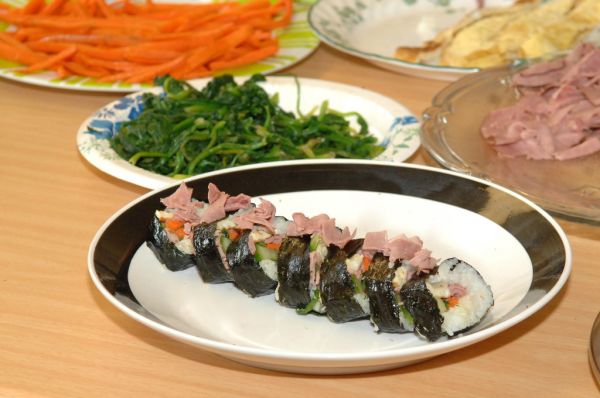
Not every side dish carries the same weight at the table. Kimchi is the anchor of the whole spread — it’s treated almost like a national institution, and it’s the one banchan every restaurant expects you to go through multiple times, since a fresh scoop costs the kitchen very little and it’s meant to be eaten steadily through the meal, not rationed like a garnish on the side. If you only ask for one refill all night, make it kimchi — it’s the safest, least noticeable request you can make.
Other dishes — braised lotus root, dried anchovies, seasoned fernbrake (gosari) — take real prep time and get treated more like finite extras. Asking for a second helping of one of those occasionally is completely normal. Asking for thirds on three different labor-intensive dishes in one sitting, though, is where you start becoming the table the staff quietly talks about in the back.
Casual restaurant vs. formal hanjeongsik: does the refill rule change?
Yes, and it’s worth knowing before you sit down:
- Casual, banchan-heavy spots (BBQ joints, baekban restaurants) expect and welcome refill requests — it’s already factored into the price.
- Formal hanjeongsik courses are plated as a complete, curated set; refill requests are rare here because the whole point is variety, not volume. If you’re still hungry, ordering another bowl of rice or an extra dish reads as far more natural than asking for more of one specific banchan.
Self-Serve Banchan Bars: When You Don’t Need to Ask At All
Worth flagging separately, because it removes the guesswork completely. Some restaurants — busier lunch counters, samgyeopsal places, buffet-style eateries — run a 셀프바 where rice, water, and a rotating lineup of banchan sit out for you to serve yourself. No bell, no phrase, nobody keeping track of how many times you’ve gone back. You just walk over and take what you want, as often as you want. The etiquette flips a little here too: since nobody’s monitoring your portions, the responsibility for not wasting food sits entirely with you. Take less than you think you’ll eat — the station isn’t going anywhere, and a second trip costs you nothing.
자주 묻는 질문 (FAQ)
Is it rude to eat banchan directly from the shared dish without transferring it?
It’s not catastrophic, but it’s considered a bit careless, especially with elders or in a nicer restaurant. The norm is to move a small portion onto your own plate or rice bowl with your chopsticks or spoon first, then eat from there.
Do I have to pay extra for banchan refills in Korea?
Almost always no — refills are typically free at Korean restaurants. The catch is that servers usually won’t refill a dish until it’s completely empty, so leaving a little bit behind means you won’t get more.
What do I say if I want more side dishes?
Say “jogeum deo juseyo” (조금 더 주세요), which means “please give me a little more,” while pointing at the empty dish. It works at nearly any sit-down restaurant in Korea.
How do I get a server’s attention if I need a refill?
Check the table first — most Korean restaurants have a small call bell (호출벨) you press to signal you’re ready for a refill, more food, or the check. It’s the standard, expected method, not an impolite shortcut.
Which banchan is okay to ask for extra of without seeming excessive?
Kimchi is the safest bet — it’s the centerpiece of the banchan spread and restaurants generally expect diners to go through more of it. Save refill requests for labor-intensive side dishes for only when you genuinely finish them.