Quick Summary
“Plastic memories” refers to the way plastic, over time, records the story of everything it’s been through—sunlight exposure, seawater, temperature swings—in the form of surface cracks, discoloration, and chemical fingerprints. Scientists study these traces to trace ocean debris back to its source and route, and to estimate the age and exposure history of microplastics. This article explores how plastic “remembers,” real-world applications of this research, how breakdown timelines vary by plastic type, and a practical checklist for reducing your own plastic footprint.
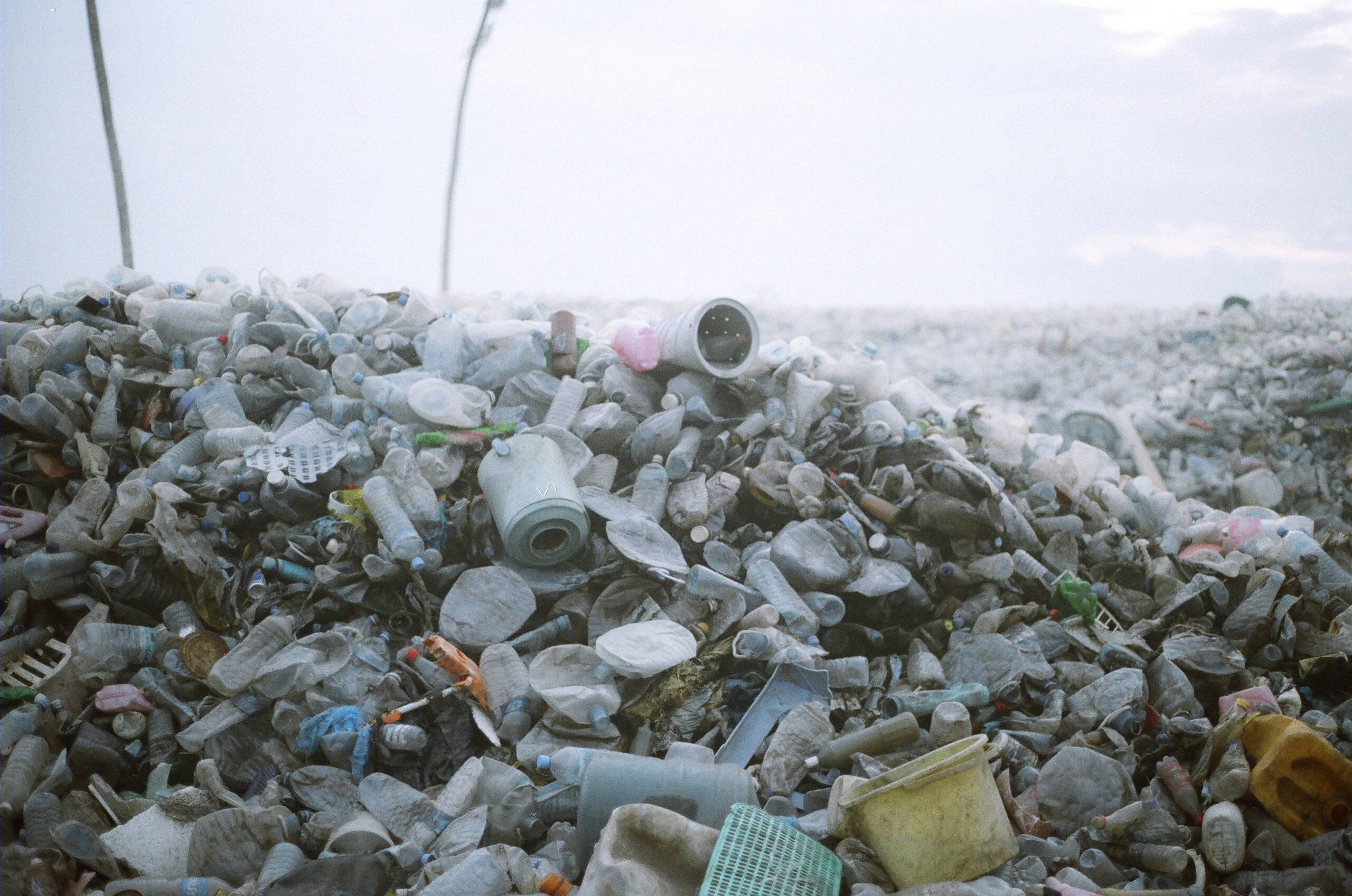
What Exactly Do We Mean by “Plastic Memories”?
This isn’t a formal scientific term, but environmental scientists often use it informally to describe how the physical and chemical history a piece of plastic has endured becomes literally etched into its surface, like a record. In simple terms, plastic doesn’t just disappear once it’s made—it transforms, imprinting the time it’s spent and the conditions it’s faced (UV exposure, salinity, friction) directly onto its body.
Take two fragments of the same plastic bottle: one drifting in the ocean, the other buried in landfill. After ten years, they’ll look completely different—in surface texture, color, and the pattern of micro-cracks. That difference is the “memory” plastic leaves behind, and researchers work backward from it to figure out where a piece of plastic came from and how long it’s been adrift.
How Does Plastic Record the Passage of Time?
Plastic’s “memory” is written in three main ways.
- Oxidation markers (Carbonyl Index): When plastic is exposed to UV light, its surface reacts with oxygen, increasing certain chemical bonds (carbonyl groups). By measuring this with an infrared spectrometer (FTIR), researchers can calculate exposure duration with reasonable accuracy.
- Surface cracking and yellowing: Materials like polypropylene and polyethylene develop fine cracks and turn yellow over time, and the density and depth of this pattern correlates directly with exposure time.
- Biofouling traces: Plastic that has floated in the ocean bears marks from barnacles, algae, and other organisms that attached and later fell off. The type and thickness of these traces can even help estimate roughly how long the plastic drifted and at what latitude (based on water temperature).
By combining these three lines of evidence and comparing them against lab-aged reference samples, researchers can reach conclusions like: “this fragment likely drifted through equatorial waters for roughly three to five years.”
What Is This “Memory” Actually Used For?
Analyzing how plastic weathers isn’t just scientific curiosity—it feeds directly into real-world policy and cleanup efforts.
- Tracing pollution sources: By analyzing how weathered plastic on a given beach is, researchers can tell whether it washed in from a nearby river or traveled across an entire ocean.
- Validating ocean current models: Comparing satellite-tracked current models against the actual drift patterns visible in weathered plastic helps improve prediction accuracy.
- Building the case for policy: Data showing, for example, that “70% of debris in this region originated from a specific river” gives local and national governments concrete grounds for designing regulations.
- Estimating microplastic exposure risk: Older, more weathered microplastics tend to have larger surface areas and stronger adsorption capacity, so age estimates also feed into assessments of chemical contamination risk.
How Different Do “Memory Lifespans” Look Across Plastic Types?
Not all plastics weather and break down at the same rate. Depending on the material, the rough time it takes to fragment down into microplastics (note: not to vanish entirely) varies enormously.
- Plastic bags (HDPE/LDPE): roughly 10–20 years
- Plastic straws (PP): roughly 200 years
- PET bottles: 450+ years
- Styrofoam (PS): 500+ years, with complete breakdown essentially never confirmed
- Fishing nets and lines (nylon): estimated at 600+ years
It’s important to note that these figures don’t represent the time it takes for plastic to “disappear”—they represent the time it takes to break into invisible micro-fragments. In other words, plastic never truly vanishes; it just keeps getting smaller, continuing to carry its memory through the environment in ever-tinier forms.
Is the Plastic Memory Left in Our Bodies and Ecosystems Safe?
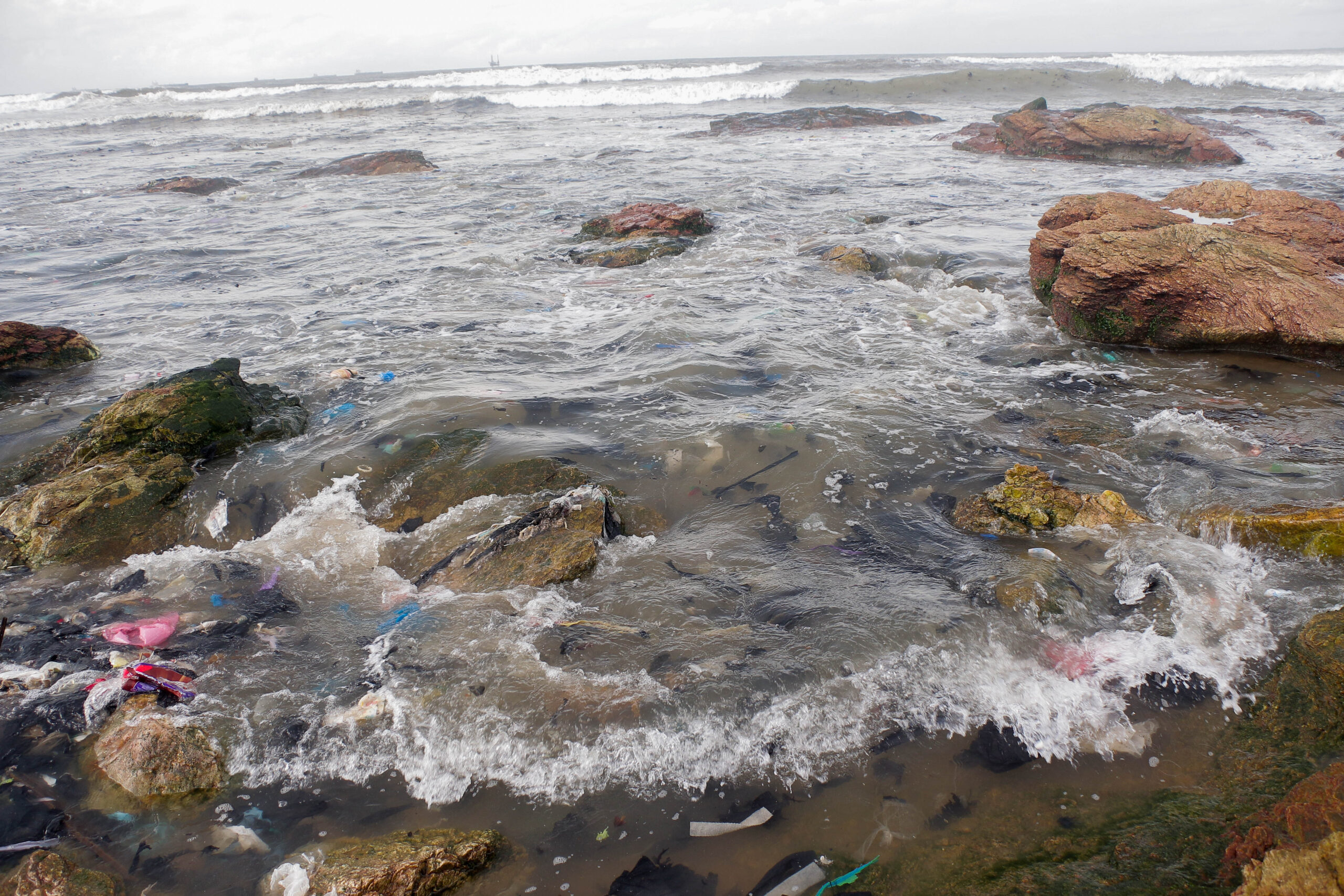
Microplastics have already been detected in seawater, soil, airborne dust, and even human blood and lung tissue. That said, most current research has only reached the stage of confirming their presence—direct causal links to specific diseases are still an active area of investigation. Rather than reacting with exaggerated fear, taking practical steps to reduce exposure is the more meaningful response right now.
Notably, older, more heavily weathered plastic tends to have rougher surfaces and greater surface area, which several studies suggest makes it more prone to binding with heavy metals and persistent organic pollutants (POPs). This means plastic isn’t just physical waste on its own—it can also act as a carrier for other contaminants.
What You Can Do Right Now to Reduce Plastic’s Legacy
Small, repeatable daily habits add up to more than grand campaigns. Here’s a checklist to work from.
- Reuse first: Make a tumbler, reusable shopping bag, and airtight containers part of your everyday carry.
- Check the material: Look for the plastic resin code (1–7) before buying, and favor PET (1) and HDPE (2), which have higher recycling rates.
- Cut down on shed microfibers: Use a laundry bag for synthetic fabrics and run shorter, lower-temperature wash cycles.
- Handle disposable fishing gear responsibly: Always drop it in a collection bin after use—abandoned nets and lines are among the longest-lingering items in the ocean.
- Sort recycling more carefully: Remove labels and rinse containers before disposal to actually boost recycling rates.
- Look for alternative materials: Start switching to paper, glass, or stainless steel wherever viable alternatives exist.
Of all these, reuse has the biggest impact. Cutting down on new plastic production in the first place is a far more fundamental solution than managing the memory of plastic that’s already been made.

Frequently Asked Questions (FAQ)
Is “plastic memories” an official scientific term?
No, it’s not a formal academic term. It’s an expression researchers sometimes use informally to describe how plastic physically and chemically records its exposure history as it weathers. In actual analysis, specific scientific methods are used—including oxidation indices, surface crack patterns, and biofouling traces.
What can we actually learn from the traces plastic leaves behind?
Researchers can estimate roughly how long a piece of plastic was exposed, the path it likely drifted, its probable region of origin, and the conditions it encountered (UV levels, salinity, water temperature). This information is used to trace the sources of ocean debris and to build the evidence base for policy decisions.
Does plastic eventually break down completely?
Most conventional plastics never fully decompose under natural conditions. Instead, they fragment into invisible micro- and nanoplastics that remain in the environment indefinitely. Depending on the material, this fragmentation process can take anywhere from decades to centuries.
Is it dangerous if microplastics build up in the body?
Microplastics have been detected in human blood and lung tissue, among other places, but direct causal links to specific diseases are still being actively researched. Rather than waiting for definitive conclusions, adopting habits that reduce exposure is the more practical approach for now.
What’s the most effective everyday habit for cutting plastic use?
Defaulting to reusable items—like a tumbler, shopping bag, and airtight containers—instead of single-use plastics is the most fundamental way to simultaneously reduce new plastic production and the waste it eventually generates.