Quick summary
A KTX standard-class ticket from Seoul to Busan runs about 60,000 won, while the Mugunghwa train on the same route costs less than half that, around 30,000 won. The speed gap is significant too—2.5 hours versus 5-plus hours—so essentially you’re trading money for scenery, and which one makes sense depends entirely on your trip’s purpose. Drawing on firsthand experience riding the KTX, ITX-Saemaul, Mugunghwa, and various scenic trains, this guide breaks down which train suits which route, where to sit so you don’t regret it, and when the golden window for booking tickets actually is—all backed by real numbers.
Why are train travel reviews suddenly so popular?
Driving from Seoul to Gangneung, including a rest stop or two, easily takes over three and a half hours. The KTX covers the same distance from Cheongnyangni Station in just 1 hour and 54 minutes. Arriving with enough energy left to head straight to a tourist spot makes a bigger difference than you’d expect—especially since it means skipping eight hours of round-trip driving entirely.
Korail’s own data shows a noticeable rise in train bookings to destinations like Gangneung, Yeosu, and Jeongdongjin over the past few years, and the reasons are simple: no parking fees or parking stress, the freedom to have a drink during the trip, and travel time that becomes part of the experience rather than dead time. I once rode a slow train one-way to Yeosu for four hours to catch the night sea view, and honestly, that ride was half the trip itself.
What are the different types of trains in Korea, and which one should you take?
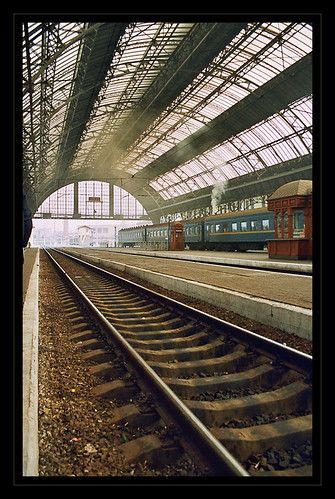
The names might sound similar, but speed, fare, and seat spacing vary a lot between them. Comparing actual adult standard-class fares makes the differences much clearer.
- KTX/SRT: About 2 hours 30 minutes from Seoul to Busan, with fares around 59,000 won. Running at speeds of roughly 300 km/h, this is the choice for day trips or any journey where time is money.
- ITX-Saemaul: Fares from Seoul to Daejeon run about 10,000 won cheaper than KTX, with more legroom between seats. It stops at more stations along the way, making it a solid pick for visiting smaller cities like Cheonan or Daejeon.
- Mugunghwa: The cheapest option, with Seoul-to-Daejeon fares around 9,000 won. It stops frequently, so it takes longer, but there’s a distinct pleasure in watching rice paddies and tiny local stations roll by from a window seat—something only a slow train can offer.
- Scenic trains (Jeongseon Arirang Train, Seohae Geumbit Train, Namdo Ocean Train, etc.): These cost more, typically 30,000–40,000 won, but the stops and routes are pre-planned, so even first-timers can ride without worrying about scheduling.
There’s no direct KTX connection between Mokpo and Yeosu, and transferring is a hassle—which is exactly why the Mugunghwa or Namdo Ocean Train is the better choice for that route. The sunset over Suncheon Bay, seen from a window seat hugging the coastline, is something I still remember vividly.
How do you pick a seat you won’t regret?
Even on the same train at the same fare, seat location alone can decide whether a four-hour ride is comfortable or miserable. Checking these four things on the Korail Talk booking screen dramatically cuts your odds of a bad seat.
- Check the direction of travel: The arrow at the top of the seat map shows which way the train is facing. Surprisingly many people get motion sickness sitting backward, so it’s worth the extra click to check the seating chart.
- Think about the sun: On a morning train heading south or east, the left-side window seats get less direct sunlight. On summer afternoon KTX rides, right-side window seats can get blasted with direct sun for three straight hours, so it’s worth checking whether curtains are available.
- First class vs. standard class: KTX first class costs about 40% more than standard, but the wider seats and extra legroom make a real difference in comfort for laptop work or rides longer than three hours.
- Unreserved seating: Mugunghwa trains and some ITX routes offer unreserved seats, which means you can board without a reservation on weekday afternoons. That said, since a seat isn’t guaranteed, it’s not recommended for trips longer than two hours.
If a window seat matters to you, always double-check the window/aisle layout on the seat map for that specific train type. KTX-Sancheon and Mugunghwa use completely different seat numbering systems, so making it a habit to pull up the seat map every time will save you headaches down the road.
What worked well and what didn’t during actual rides?
KTX is undeniably fast, but even on the Seoul-to-Daejeon stretch, there are sections with more than ten tunnels back to back, which constantly interrupts the view. Mugunghwa and ITX-Saemaul trains, on the other hand, move slower but let you take in passengers boarding and disembarking at each stop, even catching the names of tiny stations along the way.
There are downsides too. The slower the train, the more inconsistent the restroom cleanliness tends to be, and with so many stops, delays of 10 to 15 minutes aren’t unusual. When planning transfers, it’s safer to build in at least 20 to 30 minutes of buffer time. I once scheduled a transfer in Iksan to Yeosu with only a 15-minute gap and nearly missed it.
Timing your booking matters too. Korail tickets open exactly one month before the travel date at 7 a.m., and during holidays, popular time slots—like 9 to 11 a.m. on the Gangneung or Busan KTX lines—routinely sell out within five minutes of opening. Setting an alarm and being ready to log in the moment sales open is the safest bet.
What should you pack before a train trip?
Overhead luggage racks on trains are too narrow to fit a fully laid-down suitcase comfortably, so a 24-inch or smaller carry-on or a backpack is much easier to manage. Here are five things I never leave home without.
- A portable charger and cable (some older Mugunghwa seats have no outlets at all)
- A neck pillow or thin blanket (KTX air conditioning can get pretty strong in summer)
- Water and light snacks (many small stops on slower trains don’t have a convenience store nearby)
- Earphones (standard-class cars have almost no soundproofing, so these are essential)
- A screenshot of your mobile ticket (signal can drop in tunnels or mountainous areas)
Scenic trains often use one-way assigned seating, making it hard to switch seats mid-ride. If a window seat matters to you, it’s worth marking the ticket release time on your calendar in advance.
Frequently Asked Questions (FAQ)
What’s a good route for first-time train travelers in Korea?
For a first trip, direct KTX or ITX routes from Seoul Station or Cheongnyangni to Gangneung, Yeosu, or Busan are solid choices. They arrive in 2–3 hours without transfers, and the tourist infrastructure near these stations is well developed, making it easy to plan your itinerary.
Should I take the Mugunghwa or the KTX?
If travel time matters most, KTX is the clear winner—Seoul to Busan takes just 2.5 hours. But if you’d rather cut your fare by more than half and enjoy the scenery at a relaxed pace, the Mugunghwa often delivers more satisfaction overall.
When’s the best time to book train tickets?
Korail opens ticket sales exactly one month before the travel date at 7 a.m. During holidays, popular time slots on the Gangneung or Busan KTX lines can sell out within 5 to 10 minutes of opening, so it’s smart to set an alarm and be ready to book the moment sales go live.
How do I check for and book a window seat?
In the Korail Talk app, clicking the seat map during seat selection shows which seats are by the window versus the aisle. Since KTX and Mugunghwa use entirely different seat numbering systems, it’s worth checking the seat map every time you switch train types.
What makes scenic trains different from regular trains?
Scenic trains, like the Jeongseon Arirang Train or the Seohae Geumbit Train, follow pre-planned routes with set stopover times built around a specific theme. They cost more than regular trains—usually 30,000 to 40,000 won—but you don’t need to work out a schedule yourself, making them an easy way for first-timers to explore a region’s attractions without the stress.