Key Takeaway
Seven to eight out of every ten people with high blood pressure feel completely fine. Symptoms like headaches or dizziness typically only show up once systolic pressure climbs past 180 mmHg, or when other factors pile on top — and the tricky part is that these symptoms are nearly impossible to distinguish from ordinary stress or lack of sleep. This article breaks down exactly which symptoms appear at which readings, how to tell normal from concerning from dangerous, and where the real line is between “book a doctor’s appointment” and “go to the ER right now.”
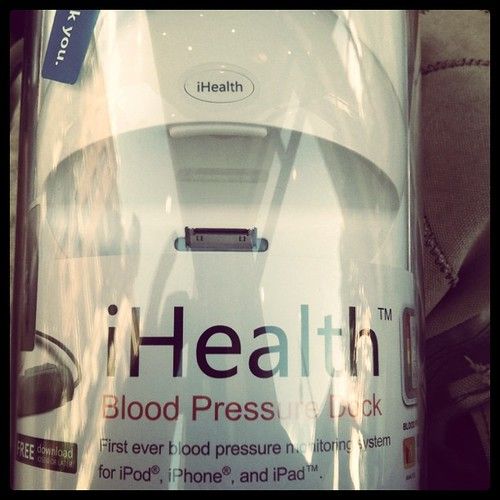
What signals does your body send when blood pressure spikes?
The most common thing doctors hear in the clinic is, “I had a headache, so I checked my blood pressure and it was high.” But far more often, it works the other way around. When blood pressure sits around 140/90, the body usually gives almost no warning at all. Symptoms typically only start becoming noticeable once systolic pressure approaches 180 mmHg or diastolic pressure nears 120 mmHg. Here’s what actually shows up in that range:
- Throbbing headache – A pulsing sensation at the back of the head that syncs with your heartbeat. It’s usually worst within the first one to two hours after waking and tends to ease up as the day goes on
- Dizziness and ringing in the ears – Less like the head rush you get standing up too fast, and more like a persistent foggy feeling even while sitting still
- Stiffness in the neck and shoulders – If a massage doesn’t help loosen it up, it may not be a muscle issue at all
- Heart palpitations – A pulse racing above 100 beats per minute, sometimes paired with a sense of anxiety
- Nosebleeds – A rare sign that tends to appear near 200 mmHg systolic; if it happens repeatedly, you should absolutely check your blood pressure
- Blurred vision – Caused by bleeding or swelling in the blood vessels of the retina, and by this stage organ damage may already be underway
The tricky part about these symptoms is that they look identical to how you’d feel after three cups of coffee or a sleepless night. So people often write it off as “must be from all that coffee yesterday” — and by the time they finally check their blood pressure, the symptoms have usually already repeated for several days in a row.
Why is symptomless high blood pressure actually more dangerous?
The inner walls of blood vessels have almost no pain receptors. That means even after years of blood pressure sitting above normal, the process of vessel walls thickening and stiffening produces no pain whatsoever. By the time the body finally starts sending warning signs, organs like the heart or kidneys have often already sustained damage.
This pattern plays out constantly. Someone gets a reading of 152/94 at a routine checkup, feels perfectly fine, and puts off a follow-up. Two years later, an EKG done for an unrelated reason reveals left ventricular hypertrophy — the heart muscle has literally thickened from working overtime against high pressure. At that point, the concern is no longer just blood pressure control; it’s the risk of heart failure. In other words, having no symptoms isn’t a reason to relax — it’s exactly why regular monitoring is the only way to catch the problem early.
At what number should you start paying attention?
According to the Korean Society of Hypertension, the ranges break down as follows:
- Normal: Systolic under 120 / Diastolic under 80
- Elevated: Systolic 120–129 / Diastolic under 80
- Stage 1 (Pre-hypertension): Systolic 130–139 or Diastolic 80–89
- Stage 1 Hypertension: Systolic 140–159 or Diastolic 90–99
- Stage 2 Hypertension: Systolic 160+ or Diastolic 100+
- Hypertensive Crisis (Emergency): Systolic 180+ or Diastolic 120+
Two ranges tend to get overlooked the most. The first is the pre-hypertension zone — something like 130/85 with zero symptoms. Leave this unaddressed for three to five years, and the odds of progressing to Stage 1 rise sharply. The second is when someone crosses 160/100 but feels totally normal, so they put off starting medication — even though this is exactly the range where stroke risk climbs steeply.

When blood pressure spikes dangerously high, when should you go to the ER?
If systolic pressure exceeds 180 or diastolic exceeds 120 alongside any of the symptoms below, it’s classified as a “hypertensive emergency” and you should call emergency services immediately.
- Severe chest pain or pressure
- Difficulty breathing
- Weakness or numbness in one arm or leg
- Slurred or garbled speech
- Severe headache accompanied by vomiting
- Confusion or loss of consciousness
On the other hand, the same numbers without any of these symptoms are classified as a “hypertensive urgency.” In this case, the standard approach is adjusting medication through a prompt doctor’s visit rather than an ER trip. Distinguishing between the two matters enormously in practice. If there are no symptoms, the right move is to sit quietly somewhere calm for about 15 minutes and re-measure. This is because “white coat hypertension” — a temporary spike caused by nervousness in a doctor’s office or unfamiliar setting — often leads people to misjudge an emergency based on a single reading.
How to measure your blood pressure accurately at home
An inaccurate measurement leads to a flawed judgment call. Follow this checklist to get numbers you can actually trust:
- Avoid caffeine, smoking, and vigorous exercise for 30 minutes beforehand
- Sit in a chair with back support and rest quietly for 5 minutes before measuring
- Rest your arm on a table at heart height
- Wrap the cuff directly on bare skin (measuring over clothing can inflate readings by 5–10 mmHg)
- Take two readings one to two minutes apart and record the average
- Measure twice daily — once in the morning (within an hour of waking) and once at night (before bed)
Jumping to conclusions about having or not having high blood pressure based on a single reading is premature. Keep a log of morning and evening readings for at least a week, then base your judgment on the average — that’s the kind of data doctors trust far more during consultations.

What should you actually do when symptoms strike?
Feeling a headache or dizziness is not a reason to take extra unprescribed blood pressure medication or bump up your dosage on your own — that can actually backfire. If blood pressure drops too quickly, blood flow to the brain can become insufficient, making dizziness worse or even causing fainting. ER doctors regularly see patients who took an extra pill because their pressure “seemed high,” only to be rushed back in a few hours later with symptoms of low blood pressure instead.
When symptoms appear, following this order is the safest approach:
- Sit or lie down and stay calm
- Measure your blood pressure using the correct technique
- If it’s above 180/120 and accompanied by warning signs (chest pain, numbness, slurred speech, etc.), call emergency services immediately
- If the number is high but there are no warning signs, wait 15 minutes and re-measure; if it’s still elevated, schedule a doctor’s visit soon
- If you’re already on medication, don’t add extra doses on your own — stick to what’s prescribed
Long-term management is surprisingly straightforward. Multiple studies show that cutting sodium intake to under 2,000 mg per day (about 5g of salt) and walking briskly for 30 minutes at least three times a week can lower systolic blood pressure by 5–8 mmHg. For those still in the pre-hypertension range, plenty of people manage to return to normal levels through lifestyle changes alone, without ever needing medication.
Frequently Asked Questions (FAQ)
Does high blood pressure always cause headaches?
No. Most people with high blood pressure have no noticeable symptoms at all. Headaches or dizziness usually only appear when systolic pressure spikes rapidly above 180 mmHg. Don’t assume your blood pressure is fine just because you feel fine.
At what reading should I go to the ER?
If systolic pressure exceeds 180 or diastolic exceeds 120 along with chest pain, difficulty breathing, limb numbness, slurred speech, severe headache with vomiting, or confusion, head to the ER immediately. If the number alone is high with none of these symptoms, the typical approach is to rest, re-measure, and schedule a doctor’s visit soon.
My home readings and my doctor’s office readings are different — which should I trust?
Because nervousness in a clinical setting can temporarily raise blood pressure (a phenomenon known as “white coat hypertension”), the average of multiple home readings is often more reliable. It’s best to bring at least a week’s worth of morning and evening readings to discuss with your doctor.
If I feel dizzy from high blood pressure, is it okay to take extra medication right away?
Adding extra medication on your own isn’t recommended. A rapid drop in blood pressure can actually worsen dizziness or cause fainting due to reduced blood flow to the brain. Stick with your prescribed dose, measure accurately, and consult your doctor if adjustments are needed.
I’m in the pre-hypertension range with no symptoms — is it okay to just leave it?
No, this shouldn’t be ignored even without symptoms. The pre-hypertension range (130–139/80–89) is exactly where lifestyle changes alone can bring you back to normal, so it’s worth starting on reducing sodium intake and regular aerobic exercise right away.